The Question Most Parents Start With
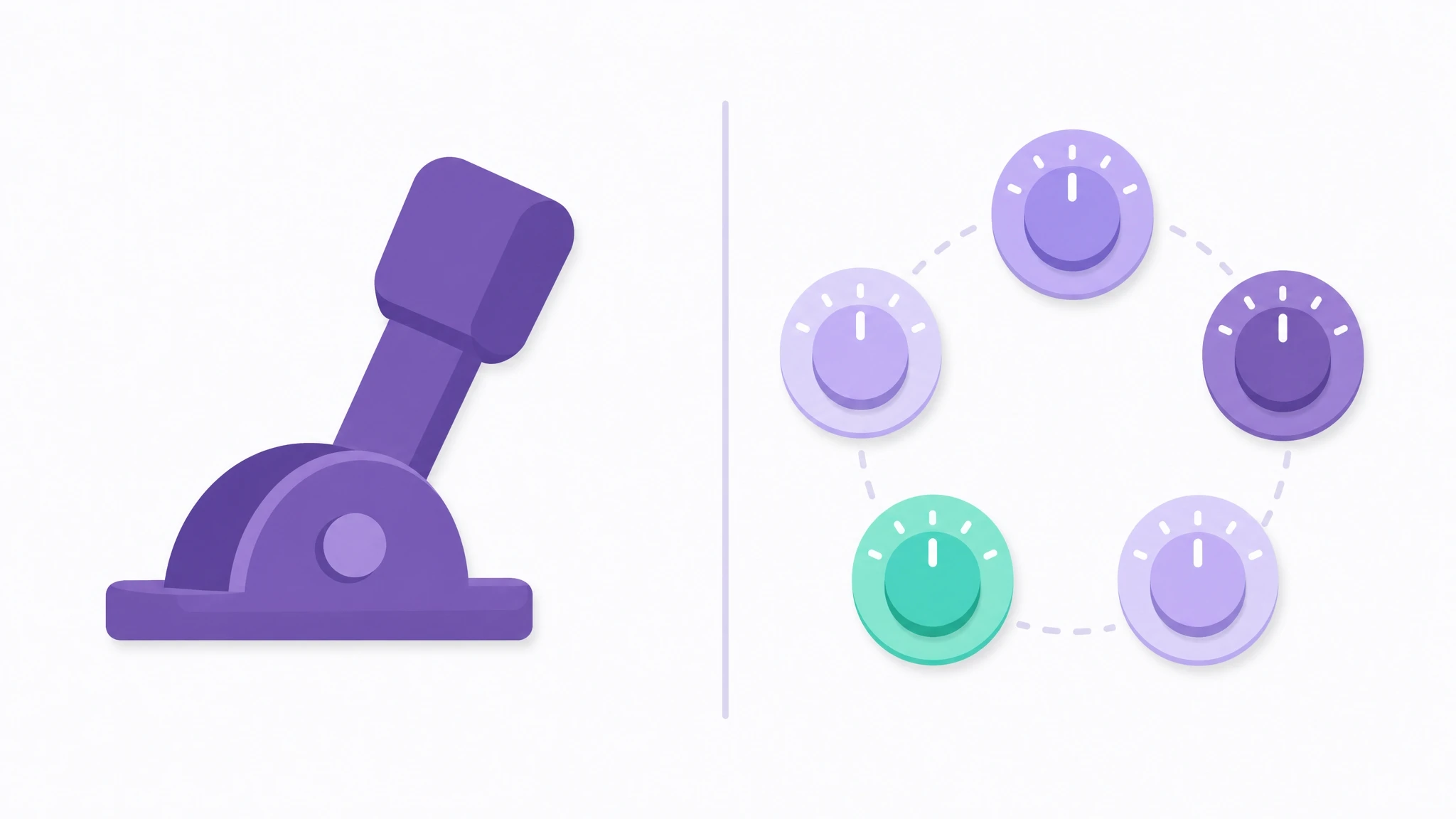
Most parents who look into their child’s height arrive at the same question first: is growth hormone the only option, and does it work?
It is a fair question, and the short answer is that growth hormone is one of the things that decides how a child grows, not the only one. Whether it is right for a particular child depends on what is actually limiting that child — and that is knowable before deciding.
Children stop growing for different reasons. One child sleeps four hours because of a blocked nose. Another eats well and absorbs badly. A third is entering puberty early, and every month of delay costs more than any single treatment would add.
Prescribing the same thing to all three treats the one factor they may not share.
This is not an argument against hormone treatment — for some children it is exactly right. It is an argument for finding out first. The same prescription can be the answer for one child and beside the point for another, and the difference shows up in test results rather than in height.
The rest of this article covers the five things worth checking, starting with the hormones themselves.
Axis One — Hormones, Plural

Growth hormone is the one people know. It is not the only one that matters.
Sex hormones determine when the growth plates begin to close. If puberty runs early, the remaining window shrinks regardless of anything else.
Thyroid hormone sets the pace of growth generally. A quiet thyroid problem can look exactly like “just a small child”.
Which of these is actually out of range is a blood test question, and it is worth asking before deciding what to treat.
Sex hormones deserve particular attention because they set the deadline. Everything else adjusts how fast a child grows; this one adjusts how long they have left to do it. A child growing normally but entering puberty two years early can end up shorter than a slower-growing child with the full window intact.
Axis Two — Inflammation That Never Announces Itself
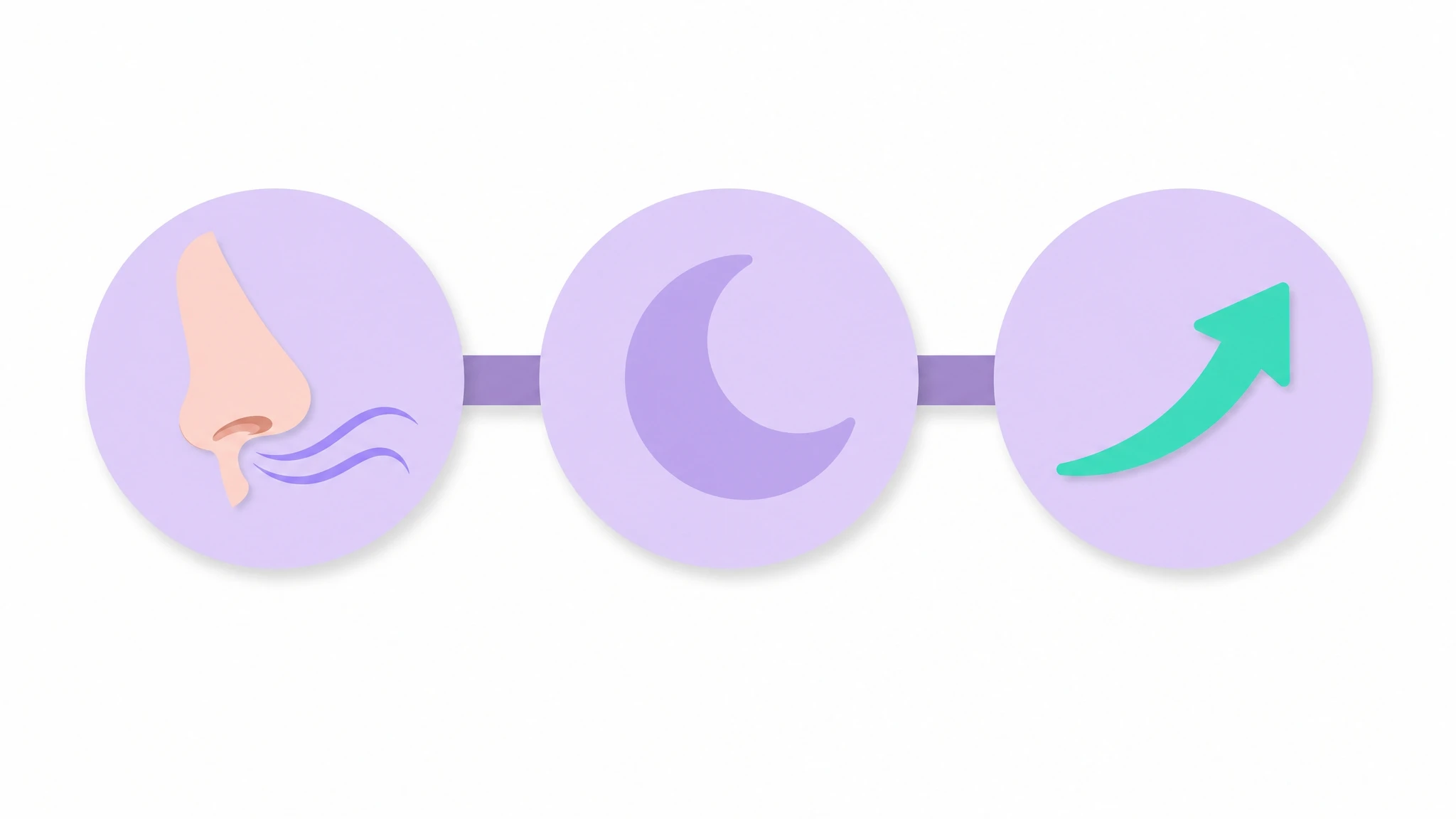
Chronic allergy and gut inflammation rarely present as illness. They present as a child who is tired, eats unevenly, and does not grow as expected.
The mechanism is indirect and that is why it gets missed. A blocked nose fragments sleep; fragmented sleep means less of the deep sleep during which growth hormone is released; less release means slower growth. The allergy is never the visible problem.
Which is why we check it rather than assume it away.
The same indirect pattern shows up with gut inflammation. Food that is eaten but poorly absorbed produces a child who appears well fed and grows slowly, and no amount of adding more food fixes an absorption problem.
Axis Three — Sleep, Where the Hormone Actually Arrives

Growth hormone is released mostly during deep sleep. The often-repeated “be asleep by ten” is a proxy for something more specific — that the deep stages of sleep are reached and not interrupted.
A child in bed at nine who wakes four times has less usable sleep than one asleep at half past ten and undisturbed. Bedtime is easier to measure than sleep quality, which is why it gets quoted instead.
Screens, late study, a blocked nose and an overfull stomach all interfere in different ways, and they are worth separating rather than treating as one habit.
Which of them applies is usually answerable by asking the child rather than testing them. It is also the axis families can move fastest, which is why it is worth examining before anything more invasive is considered.
Axes Four and Five — Absorption, and What the Body Does With It
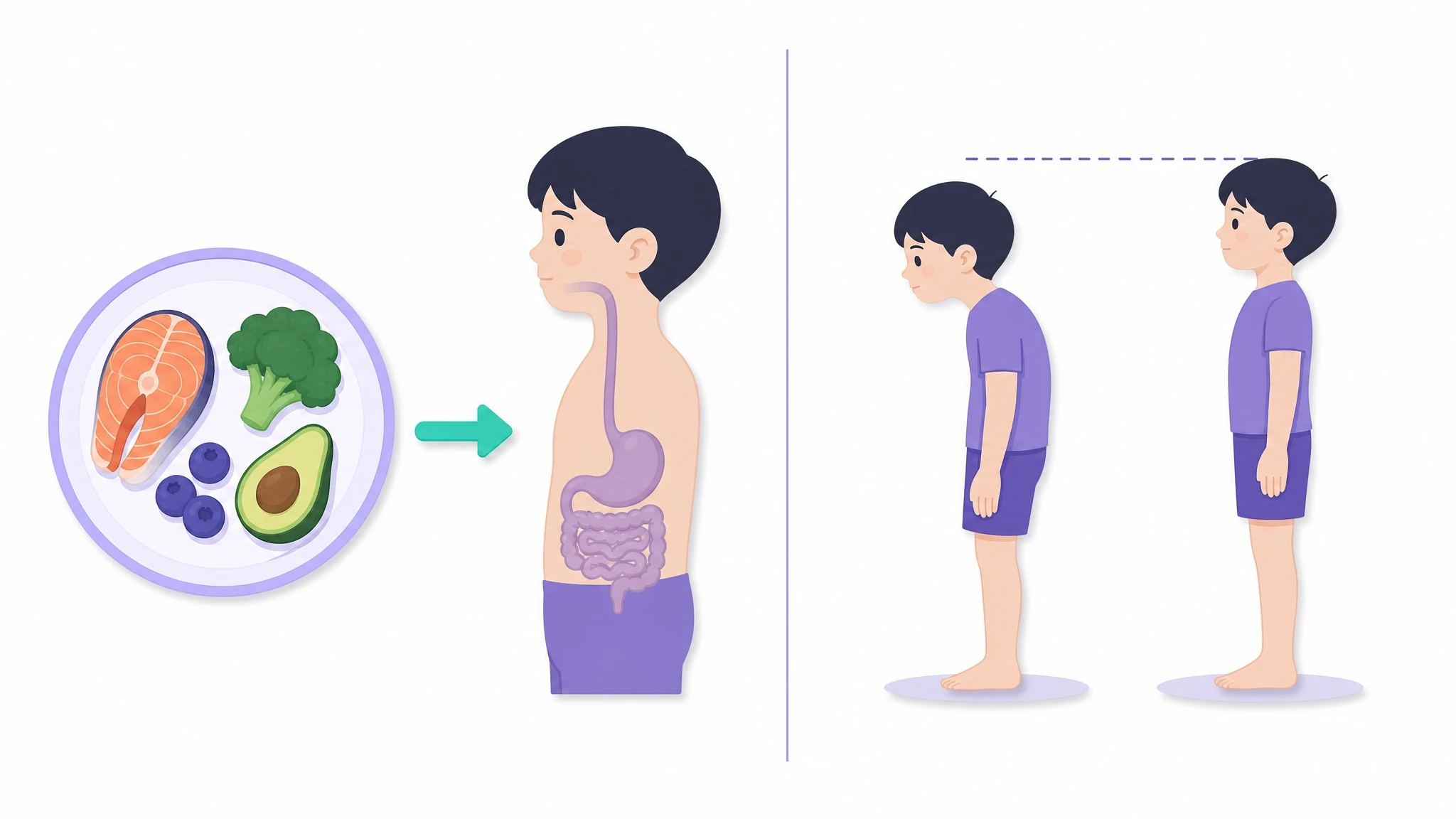
Nutrition and appetite. The question is not only what a child eats but what actually gets absorbed. A child with poor appetite and a child with poor absorption need different help, and they look the same from across the dinner table.
Movement and posture. Weight-bearing activity stimulates the growth plates. Separately, posture affects standing height directly — a rounded upper back and forward head cost centimetres that were already grown.
Neither replaces medical treatment. Both are adjustable, which is the point: the family can act on them, every day, in a way they cannot act on genetics.
What Cannot Be Changed, and What Can

The framing we use comes from the director’s own book: genetics is the blueprint you cannot change, while nutrition, sleep, movement and stress are the materials you build with — and each one of those is adjustable.
In practice that means the first visit is spent finding which axis is actually blocked for this child, and then adjusting only that. Bone age and blood work come before any plan.
Treatment and its method are decided from test results and examination. The same approach is not applied to every child, and results differ between children.
FAQ
Is growth hormone always part of the plan?
No. Whether it is appropriate depends on bone age, hormone levels and examination. For some children the blocked axis is sleep, inflammation or absorption, and that is what gets addressed.
What is checked before treatment starts?
Blood work covering liver and kidney function, thyroid and blood glucose is done first, and repeated at intervals during treatment so that changes are visible rather than assumed.
Are there known side effects?
Reactions at the injection site and temporary headache or swelling have been reported. Most are mild. If something is found, the plan is adjusted or stopped — which is why regular re-testing is part of it.