Why Parents Fear Growth Hormone Therapy — And What the Research Actually Says

Growth hormone therapy side effects in children are one of the most Googled concerns among parents whose doctors have suggested HGH injections for their child. The worry is understandable: online forums are filled with alarming anecdotes about cancer, diabetes, and long-term organ damage. Before those fears take hold, it helps to separate well-documented science from internet hearsay.
Growth hormone (GH) is not a foreign substance — it is the same protein your child's pituitary gland already produces naturally. Recombinant human growth hormone (rhGH) used in treatment is a biosynthetic copy of that exact protein. The goal of therapy is not to flood the body with an unfamiliar chemical but to restore levels that are clinically deficient or insufficient. Decades of post-market surveillance — including data from the SAGhE cohort study covering more than 30,000 treated patients — have not established a causal link between medically supervised rhGH therapy and increased cancer incidence in children without pre-existing oncological risk factors.
Who Actually Qualifies for Growth Hormone Treatment?
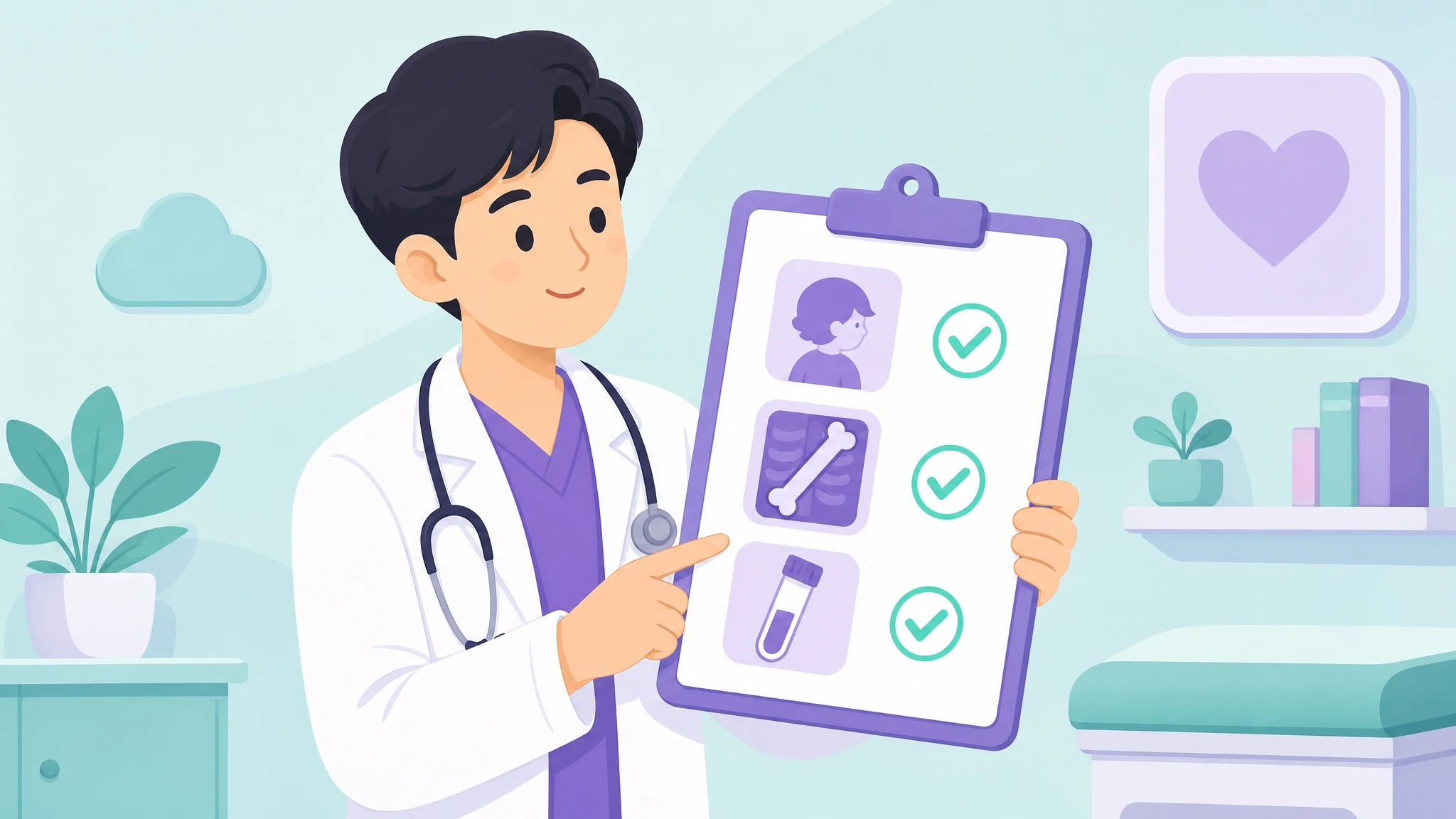
A critical point that often gets lost in online discussions is that growth hormone treatment is not prescribed to every short child. Regulatory approval covers a defined set of medical conditions: growth hormone deficiency (GHD), Turner syndrome, chronic renal insufficiency, Prader-Willi syndrome, small for gestational age (SGA) without catch-up growth, and idiopathic short stature in certain countries.
Before any prescription is written, a growth specialist evaluates bone age X-rays, IGF-1 and IGFBP-3 blood levels, stimulation test results, and the child's full medical history. This screening step is what makes the HGH injection risks kids face so different from the risks suggested by uncontrolled anecdotal reports — in clinical practice, children with personal or strong family histories of cancer, active malignancy, or Prader-Willi syndrome with severe obesity are either excluded or treated under heightened monitoring protocols.
Common Side Effects of Growth Hormone Injections — And How They Are Managed

Understanding the side effects of growth hormone injections means distinguishing between those that are common and mild versus those that are rare and serious.
Injection-site reactions — mild redness, swelling, or soreness — are the most frequent complaint and are largely preventable by rotating the injection site daily and using proper subcutaneous technique.
Headache, nausea, and fatigue may appear during the first few weeks as the body adjusts to higher GH levels. These symptoms typically resolve on their own; if they persist, the prescribing physician adjusts the dose incrementally.
Joint and muscle aches can occur as accelerated growth places new mechanical demands on soft tissue. Gentle stretching, adequate hydration, and temporary dose reduction usually resolve the issue.
Fluid retention (edema) is dose-dependent and mild in the pediatric dosing range. It generally disappears within weeks of initiating therapy or after a minor dose adjustment.
Transient insulin resistance is physiologically expected — GH has counter-regulatory effects on insulin — but in otherwise healthy children it rarely progresses to clinically significant hyperglycemia. Routine HbA1c and fasting glucose checks at follow-up visits catch any emerging trend early.
Hypothyroidism can emerge or worsen during therapy because GH influences the conversion of T4 to T3. Thyroid function panels at each quarterly review allow prompt supplementation when needed.
Rare but Serious Risks: What Parents Should Know
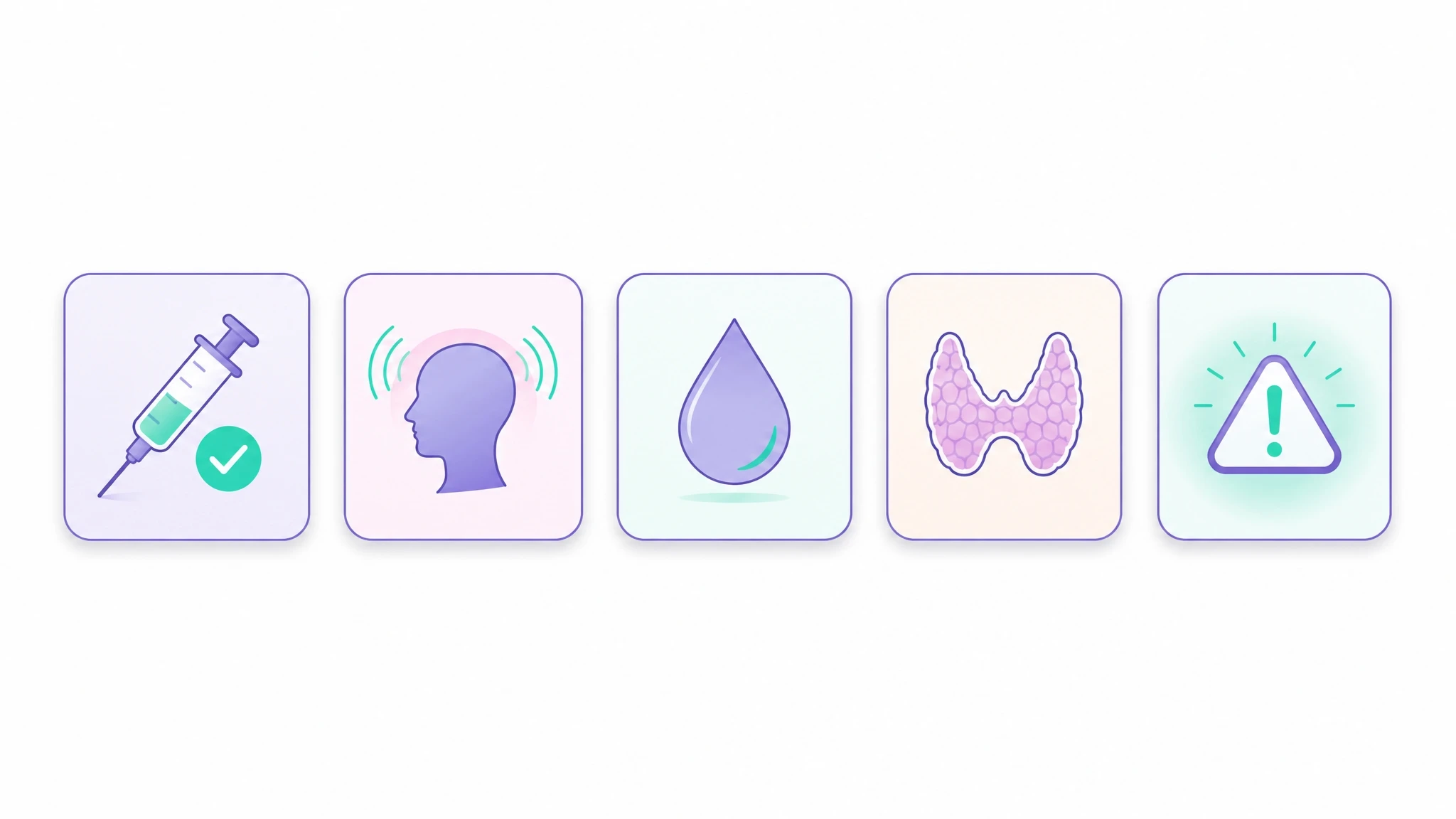
Transparency matters, so it is worth addressing the HGH injection risks kids face that, while rare, require immediate attention.
Idiopathic intracranial hypertension (IIH), also called benign pseudotumor cerebri, can occur early in treatment. Warning signs — persistent severe headache, visual disturbances, or papilledema found on fundoscopic exam — prompt immediate discontinuation of GH therapy. Symptoms fully resolve in virtually all reported cases once treatment stops.
Slipped capital femoral epiphysis (SCFE) is a hip-joint condition seen more frequently in children receiving GH than in the general pediatric population, particularly in those who are overweight. Parents should report new hip or knee pain right away. Early detection and orthopedic referral prevent long-term joint damage.
Cancer risk in children with prior malignancy: Post-treatment surveillance studies suggest a modestly elevated risk of secondary neoplasm in children who previously had cancer and then received GH. In children with no cancer history, current evidence does not support a meaningful increase in incidence. Pre-treatment screening specifically excludes high-risk individuals from standard GH protocols.
How Specialists Keep Growth Hormone Treatment Safe
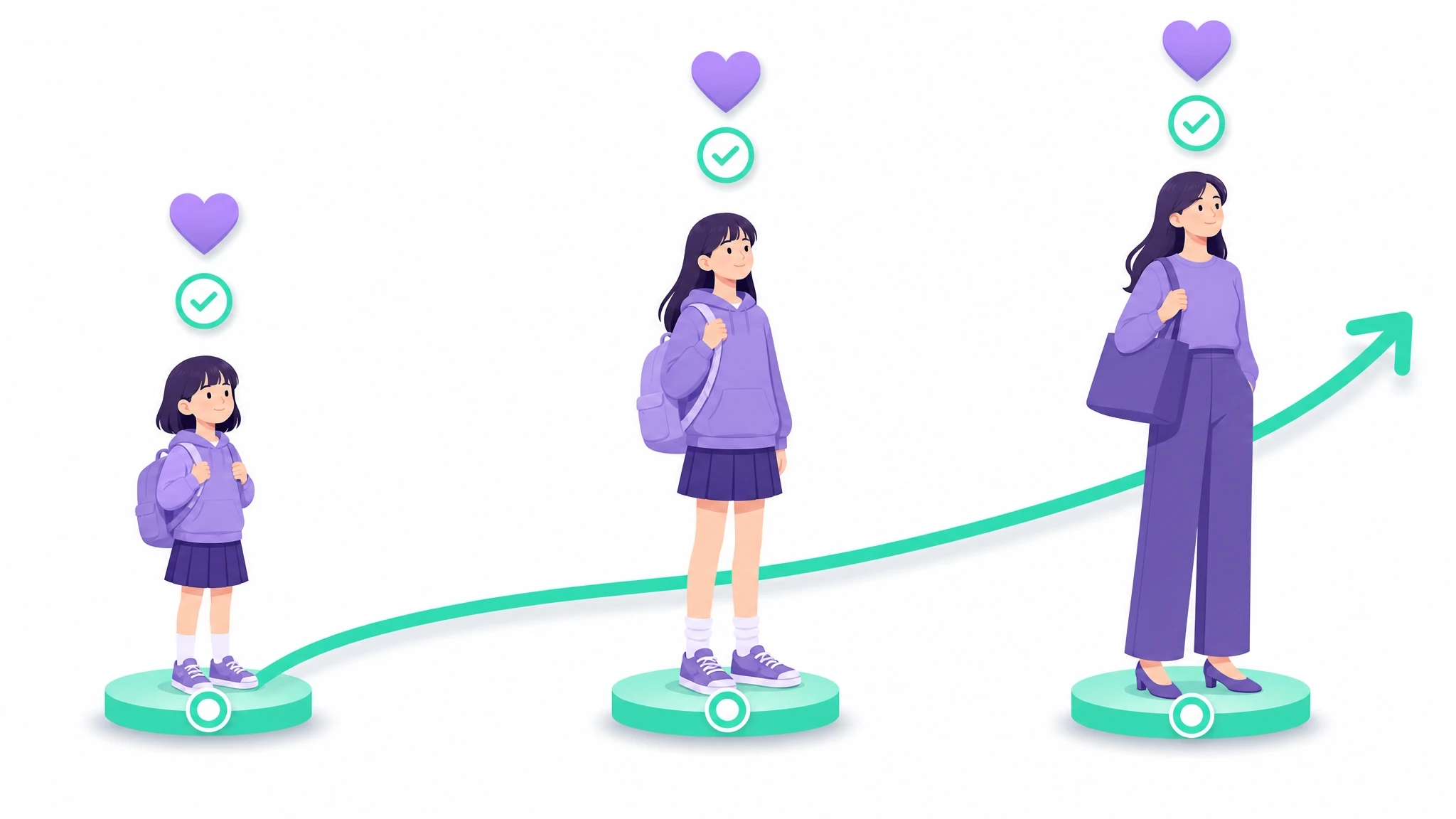
Asking whether growth hormone treatment is safe is really asking whether the monitoring framework around it is robust. In experienced pediatric endocrinology and growth medicine practices, safety is built into the protocol from day one.
- Baseline workup: Blood panel (IGF-1, thyroid, glucose, HbA1c, CBC), bone age X-ray, and a detailed personal and family history before the first injection.
- Dose titration to IGF-1 target: Rather than using a fixed weight-based dose indefinitely, specialists titrate GH to keep serum IGF-1 within age- and sex-adjusted normal ranges — the primary mechanism for avoiding supraphysiological exposure.
- Quarterly follow-up visits: Height velocity, weight, blood pressure, injection-site inspection, and repeat labs at every visit. Dose adjustments happen based on data, not guesswork.
- Lifestyle integration: Sound sleep hygiene, balanced protein-rich nutrition, and weight-bearing exercise are coached alongside medical therapy — because they independently amplify GH secretion and reduce the dose needed to achieve target growth velocity.
- Clear stop criteria: Treatment ends when bone age approaches closure, growth velocity falls below a clinically meaningful threshold, or an adverse event warrants discontinuation.
Talking With Your Child's Doctor: Questions Worth Asking

The most productive appointment is one where parents come prepared. If your child's physician has recommended GH therapy — or if you are considering a specialist evaluation — these questions will help you make an informed decision.
- What is my child's confirmed diagnosis, and which specific indication justifies GH therapy?
- What IGF-1 level are you targeting, and how will you adjust the dose over time?
- How often will we run blood tests, and what values would trigger a dose change or treatment pause?
- What early warning signs should I watch for at home between visits?
- At what point would you recommend stopping treatment?
A specialist who welcomes these questions and explains the evidence behind each answer is a strong indicator that the practice prioritizes both efficacy and the long-term wellbeing of your child. Growth hormone therapy, when appropriately indicated and carefully monitored, has a well-established safety record accumulated over more than four decades of clinical use.
FAQ
Can growth hormone therapy cause cancer in children?
Current evidence from large, long-term safety registries — including the SAGhE study — does not establish a causal link between rhGH therapy and cancer in children who have no prior oncological history. Children who previously had cancer are managed under stricter protocols and the risk-benefit decision is made case by case with a pediatric oncologist.
Does growth hormone treatment cause diabetes in children?
GH has a mild counter-regulatory effect on insulin, which can slightly reduce insulin sensitivity during treatment. In healthy children this rarely results in clinical hyperglycemia. Routine monitoring of fasting glucose and HbA1c at quarterly visits catches any upward trend early, allowing dose adjustment before the issue becomes significant.
How long does a child need to stay on growth hormone therapy?
Treatment duration depends on the underlying diagnosis, the child's growth velocity response, and bone age maturation. Most children with growth hormone deficiency are treated until bone age approaches closure (typically late adolescence). Your specialist will define clear goals and stop criteria at the outset so both you and your child know what to expect.
References
- Hormone replacement therapy in children: The use of growth hormone and IGF-I. Best practice & research. Clinical endocrinology & metabolism. 2016. PubMed · DOI
- Growth hormone treatment in children with Prader-Willi syndrome: safety and effectiveness data from the PATRO Children study. Therapeutic advances in endocrinology and metabolism. 2024. PubMed · DOI
- Effectiveness and Safety of Hormonal Treatments in Children with Growth Disorders: A Systematic Review of Clinical Evidence. Clinics and practice. 2026. PubMed
- Safety and Effectiveness of a Biosimilar Recombinant Human Growth Hormone in Children Requiring Growth Hormone Treatment: Analysis of Final Data from PATRO Children, an International, Post-Marketing Surveillance Study. Drug design, development and therapy. 2024. PubMed · DOI
- Morning vs. evening growth hormone injections and their impact on sleep-wake patterns and daytime alertness. Frontiers in endocrinology. 2025. PubMed · DOI