The Question Underneath “Is 14 Too Late?”

Parents who ask whether 14 is too late for growth hormone are usually not asking about hormones at all. They are asking whether they have missed something, and whether there is any point looking into it now.
The honest answer is that fourteen tells you almost nothing. We have seen fourteen-year-olds with years of growth left and fourteen-year-olds whose plates were nearly shut. Same birthday, entirely different situation.
What decides it is how much growth plate remains — and that is measurable rather than guessable.
What the Growth Plates Actually Are
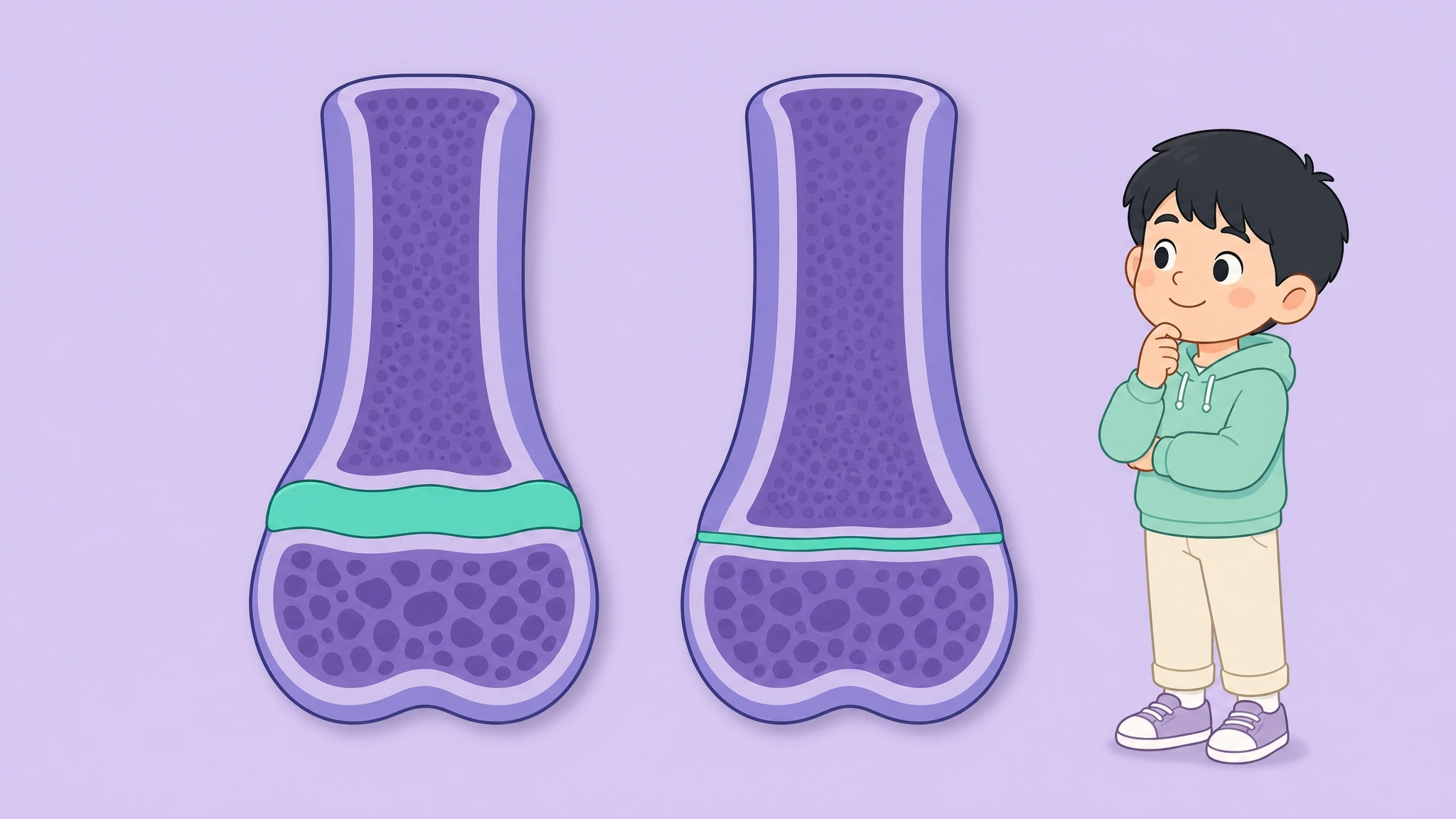
Long bones grow at a layer of cartilage near each end called the growth plate. While that cartilage is open, bone can still be added and a child gets taller. When it hardens into bone, the process is finished and no treatment reopens it.
The plates do not close on a birthday. They close on their own schedule, driven largely by sex hormones — which is why a child who entered puberty early can finish growing years before a classmate the same age.
So the real question is not how old is this child but how far along are the plates.
How a Wrist X-Ray Answers It
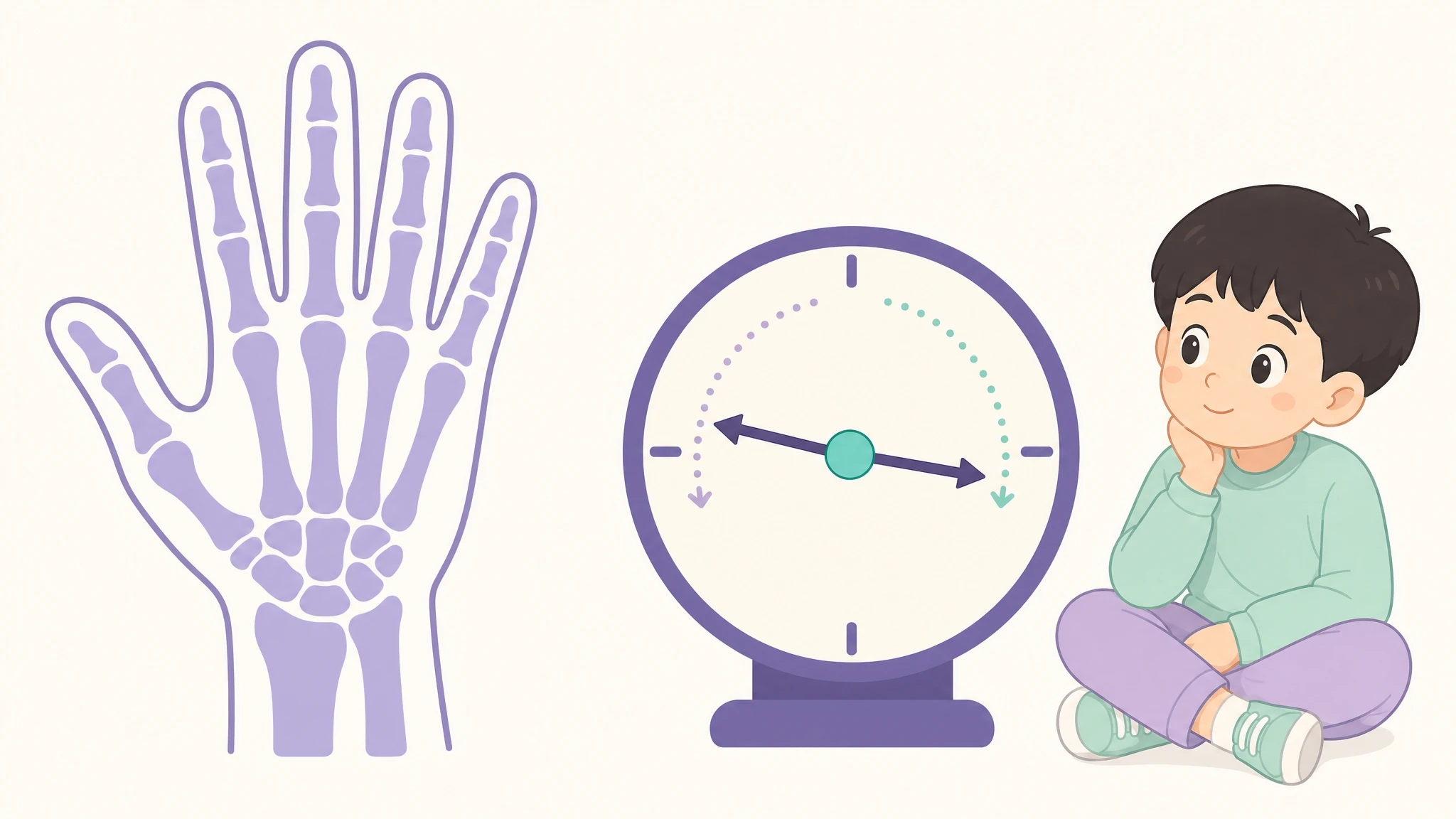
A hand-and-wrist radiograph is the standard way to read this. The bones of the hand mature in a known sequence, so the image gives a bone age — a biological age that can run ahead of or behind the calendar.
A fourteen-year-old with a bone age of twelve has more room than the birthday suggests. One with a bone age of sixteen has considerably less. Both look exactly the same standing in a doorway.
It is a quick, low-dose study available at most hospitals, and it settles a question families have often been carrying for years.
What Still Helps When Time Is Short
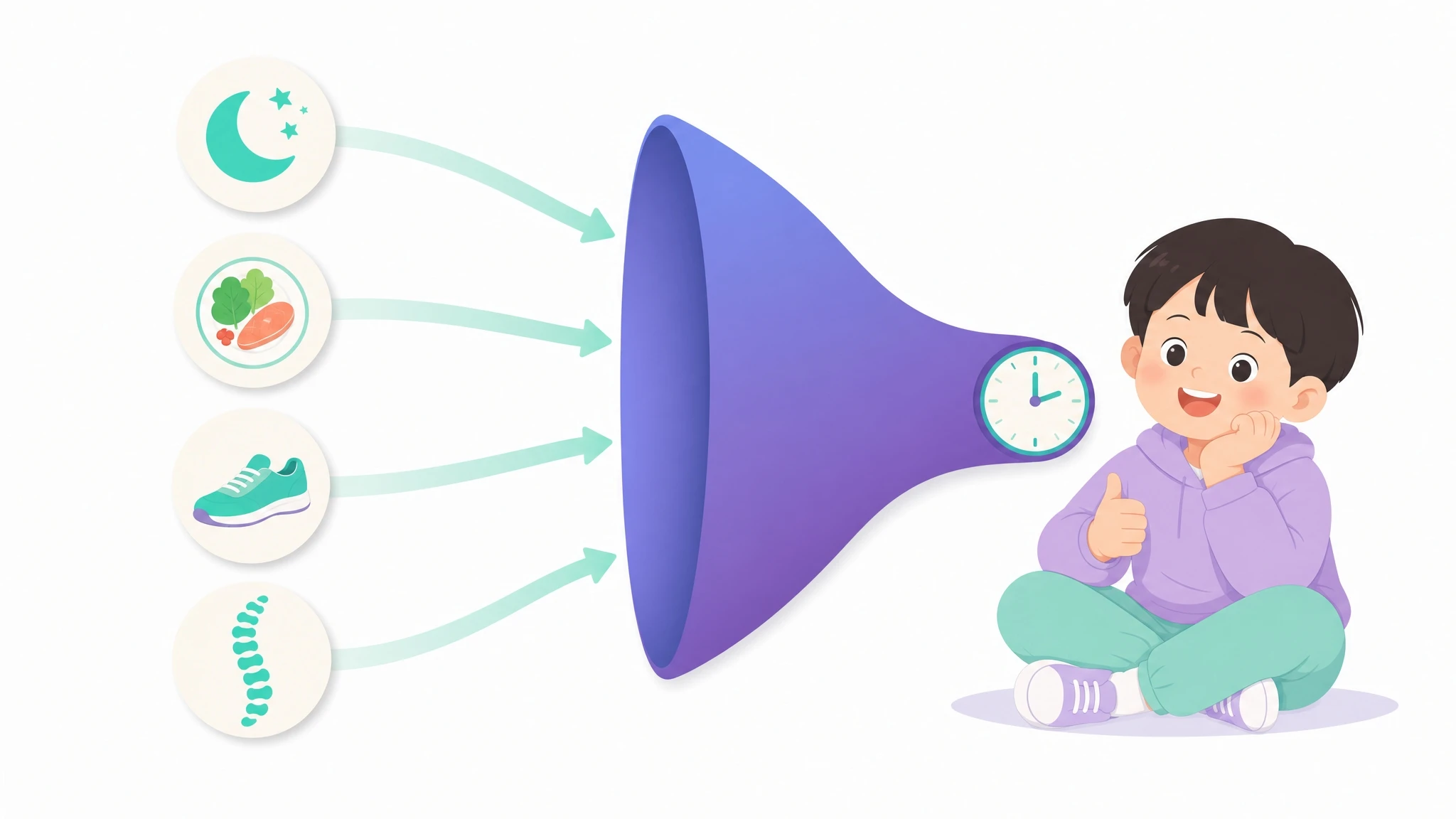
When the plates are closing, the arithmetic changes. Adding growth becomes harder; preserving the remaining window becomes the thing that matters.
That is why puberty timing gets attention in the later teens. If the process is running fast, slowing it can leave more of the window open — which affects the final number more than anything added on top would.
The other axes still apply, and they apply immediately. Sleep quality, nutrition and absorption, posture and activity — none of them require a prescription, and all of them are working for or against a child every night.
Whether any medical treatment is appropriate is decided by test results and examination, not by age alone.
When It Genuinely Is Too Late

It is worth saying plainly: sometimes the answer is that the window has closed.
If the X-ray shows fused growth plates, no hormone, supplement or programme will add height. Anyone who tells a family otherwise at that point is selling something.
Knowing that is not a wasted trip. Families who get a clear answer stop spending money and attention on things that cannot work, and the child stops being measured against a target that is no longer reachable.
Growth depends on the individual child, and this article is general information rather than a diagnosis.
What to Do This Month, Not Next Year
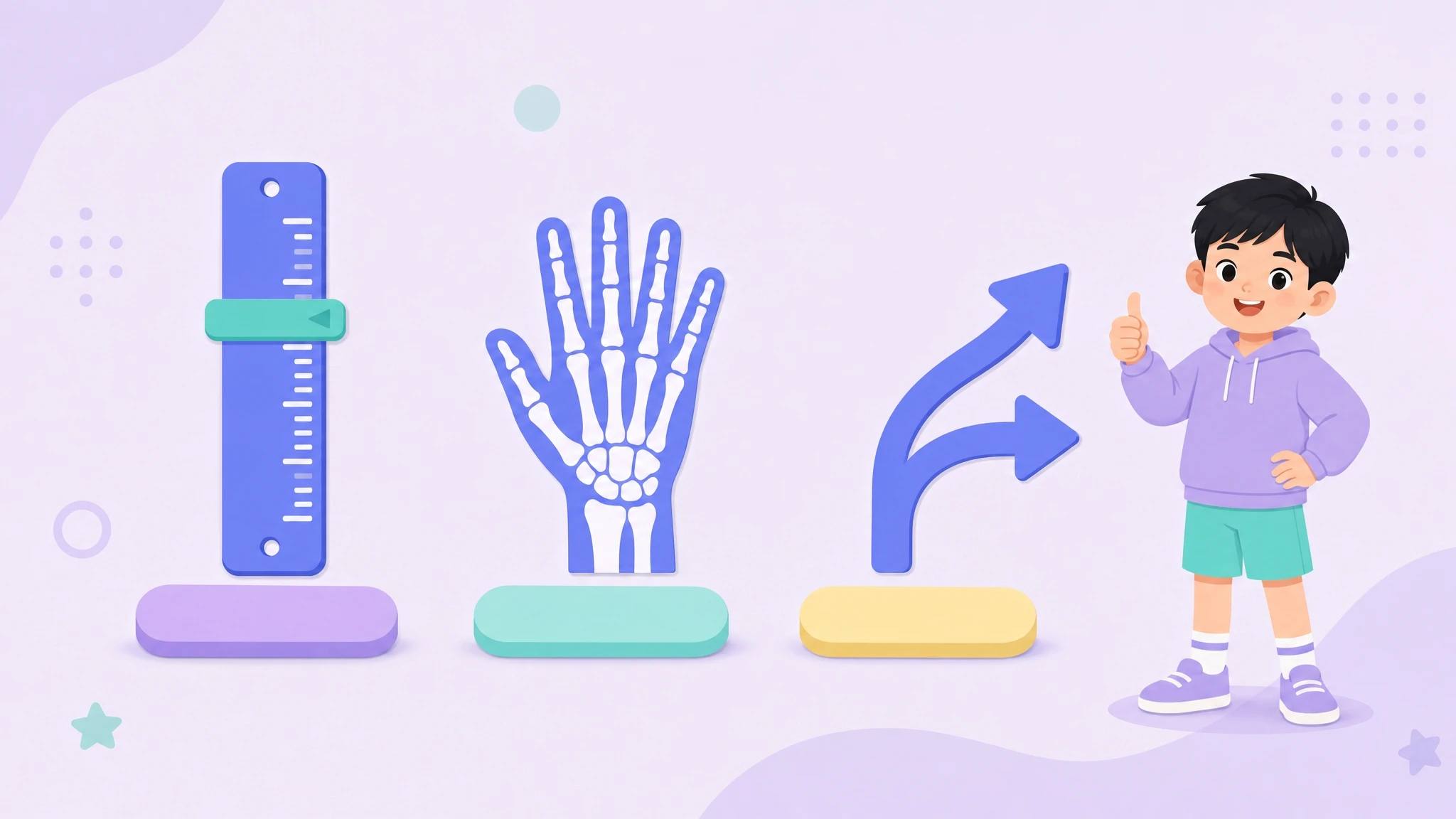
If your child is in the middle teens and you are unsure, the sequence is short.
Measure properly and write it down. Height at the same time of day, against a wall, without shoes. Compare it with a measurement from twelve months ago if you have one — growth over the last year says more than any single number.
Get a wrist X-ray. It is available locally almost anywhere and gives the answer that age cannot.
Then decide. With bone age and growth velocity in hand, the question stops being «is it too late» and becomes a specific one about a specific child.
Waiting a year to see what happens is the one option that costs something that cannot be recovered.
FAQ
Can a 14-year-old still grow taller?
Often yes, but it depends entirely on whether the growth plates are still open. A wrist X-ray shows this directly, and two children of the same age can be years apart. Age alone does not answer the question.
How do I know if the growth plates have closed?
A hand-and-wrist X-ray shows the plates and gives a bone age. It is a quick, low-dose study available at most hospitals, and it is the only reliable way to know rather than guess.
If time is short, what actually makes a difference?
Preserving the remaining window matters more than adding to it. Puberty progression, sleep quality, nutrition and absorption all affect how much of that window stays open. What is appropriate for a particular child is decided from test results and examination.