Growth Hormone Treatment for Children
Growth hormone treatment can help children who are not growing as they should — but it is a medical treatment for specific diagnoses, not a shortcut for every short child. Here is what it is, who it is for, and how we evaluate it before treatment ever begins.
What is growth hormone treatment?
Growth hormone treatment is the medical replacement of growth hormone (GH) in children whose bodies do not produce enough of it, or who have a specific condition that limits growth. It uses a laboratory-made form of the same hormone the pituitary gland normally releases.
Because GH is a protein that would be broken down in the stomach, it is given as a small daily injection under the skin, usually six to seven times a week, and continued for several years until growth is complete. When a child truly needs it, treatment can meaningfully improve growth rate — but it is prescribed only after a diagnosis, not on request.
Who is it for — and who it isn't
Growth hormone treatment is approved for children with specific medical conditions that affect growth, including:
- Growth hormone deficiency (GHD)The pituitary gland does not release enough growth hormone.
- Turner syndromeA genetic condition in girls that limits growth.
- Born small for gestational age (SGA)Children who were very small at birth and did not catch up in height by early childhood.
- Chronic kidney diseaseLong-term kidney disease that slows growth.
- Selected cases of idiopathic short stature (ISS)Marked short stature with no identified cause, evaluated case by case.
Importantly, most short children do not have any of these conditions. Many are simply following a familial (inherited) short-stature pattern or are late bloomers who will catch up. Growth hormone is generally not effective for a child with a normal hormone level who is simply on the shorter side — which is exactly why a proper evaluation comes first.
How we evaluate — before any treatment
A diagnosis is never made from a single number. We work through several steps to understand whether treatment is appropriate for your child.
Safety and what to expect
Growth hormone treatment is generally well tolerated. Reported effects are usually mild — such as temporary soreness at the injection site, occasional joint or muscle aches, or small changes in blood sugar — and children are monitored throughout treatment to catch anything early.
The first year often shows the fastest response, with growth speed increasing noticeably compared with before treatment. Results vary from child to child and depend heavily on starting early, while the growth plates are still open. Because outcomes and risks differ by case, every treatment decision is made by a specialist based on the test results.
Who cares for your child
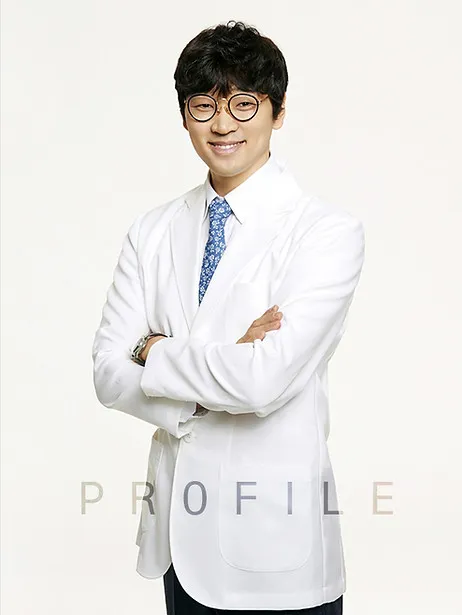
Growth care at our clinic is led by a hormone and child-growth specialist with 15 years of clinical experience, using an integrated view of growth hormone alongside thyroid, sex hormones, nutrition, and sleep.
See how real children progressed through structured growth care (non-identifying). View treatment cases →
Frequently asked questions
Will growth hormone make any short child taller?
How is it given, and for how long?
Is growth hormone treatment safe?
What is the best age to start?
Learn more
Not sure if your child needs an evaluation?
Start with a free predicted-height check, or ask us directly about your child's growth.
Talk to a growth specialistThis page provides general educational information and is not a diagnosis. Whether growth hormone treatment is appropriate is determined by a specialist based on examination and testing.