Do You Really Have to Go to a Growth Clinic?

Before agonizing over the appropriate age to visit a growth clinic, there is something you need to check first. Being shorter than peers does not automatically mean a hospital is necessary, but it is not easy for parents alone to judge 'how short is short.' In general, if a child is within the shortest 3 out of 100 peers of the same age, grows less than 4 cm per year, or shows signs of puberty too early, a professional evaluation is warranted.
A child's growth is not a matter of height alone. Nutritional status, sleep quality, exercise habits, growth-plate condition, and hormone balance are all interconnected. At a growth clinic, these complex factors are comprehensively analyzed to suggest the right direction for the child. Rather than waiting vaguely, understanding the accurate current situation is the wise starting point.
From What Age Should You Visit a Growth Clinic? An Age-by-Age Checklist

If you are wondering when you should go to a growth clinic, refer to the criteria below by your child's age.
Ages 6–8 (around elementary school entry)
This is a good time to gauge growth potential. If signs of precocious puberty—such as breast development or pubic hair development in a girl—appear during this period, you must see a specialist without delay. Precocious puberty closes the growth plates early and directly affects final height.
Ages 9–11 (just before puberty)
This period is the 'golden time' for visiting a growth clinic. Once puberty begins, growth speed rises sharply while the speed at which the growth plates close also accelerates. Before the growth spurt arrives, checking bone age and predicted height and, if necessary, starting appropriate intervention allows you to draw out the maximum final height.
Ages 12 and up (puberty in progress)
Even if puberty has already begun, if the growth plates have not completely closed, the remaining potential can be utilized. Through growth hormone treatment, lifestyle optimization, and so on, you can improve growth speed or delay the time at which the growth plates close.
When to Get a Pediatric Growth Check — Signs That Require an Immediate Visit

The timing of a pediatric growth check is not determined by age alone. Regardless of age, if even one of the signs below applies, it is best to consult a specialist as soon as possible.
- When the child is noticeably shorter than peers, or the annual growth rate has suddenly slowed
- When there is a genetic concern about height because the parents are short
- Symptoms suspected of precocious puberty, such as breast development in a girl or increased testicular size in a boy
- When frequent picky eating, chronic sleep deprivation, or severe stress persists
- When growth is poor due to a chronic illness or a thyroid abnormality
In these situations, waiting can actually lead to a narrowing of opportunities. This is because growth is not a problem that resolves on its own with the passage of time.
The Professional Help You Can Receive at a Growth Clinic

At a growth specialty medical institution, they do more than simply measure height—they analyze the child's growth status from multiple angles.
A bone age (skeletal age) test uses a single X-ray to determine the child's biological age and growth-plate condition. If the bone age is ahead of the actual age, the growth plates are likely to close early, so early response is needed. Conversely, if the bone age is behind the actual age, it is a sign that there is ample growth potential ahead.
Growth hormone treatment may be considered for a child in whom growth hormone deficiency has been confirmed or who has been diagnosed with short stature. A specialist carefully reviews the child's condition and approaches it prudently only in appropriate cases.
Lifestyle coaching is also an important pillar. Proper nutrition, sufficient sleep, and regular exercise habits are directly linked to growth hormone secretion. By understanding the child's lifestyle patterns, you can receive personalized suggestions for improvement.
A Visit to a Growth Clinic: Why Decision Matters More Than Hesitation
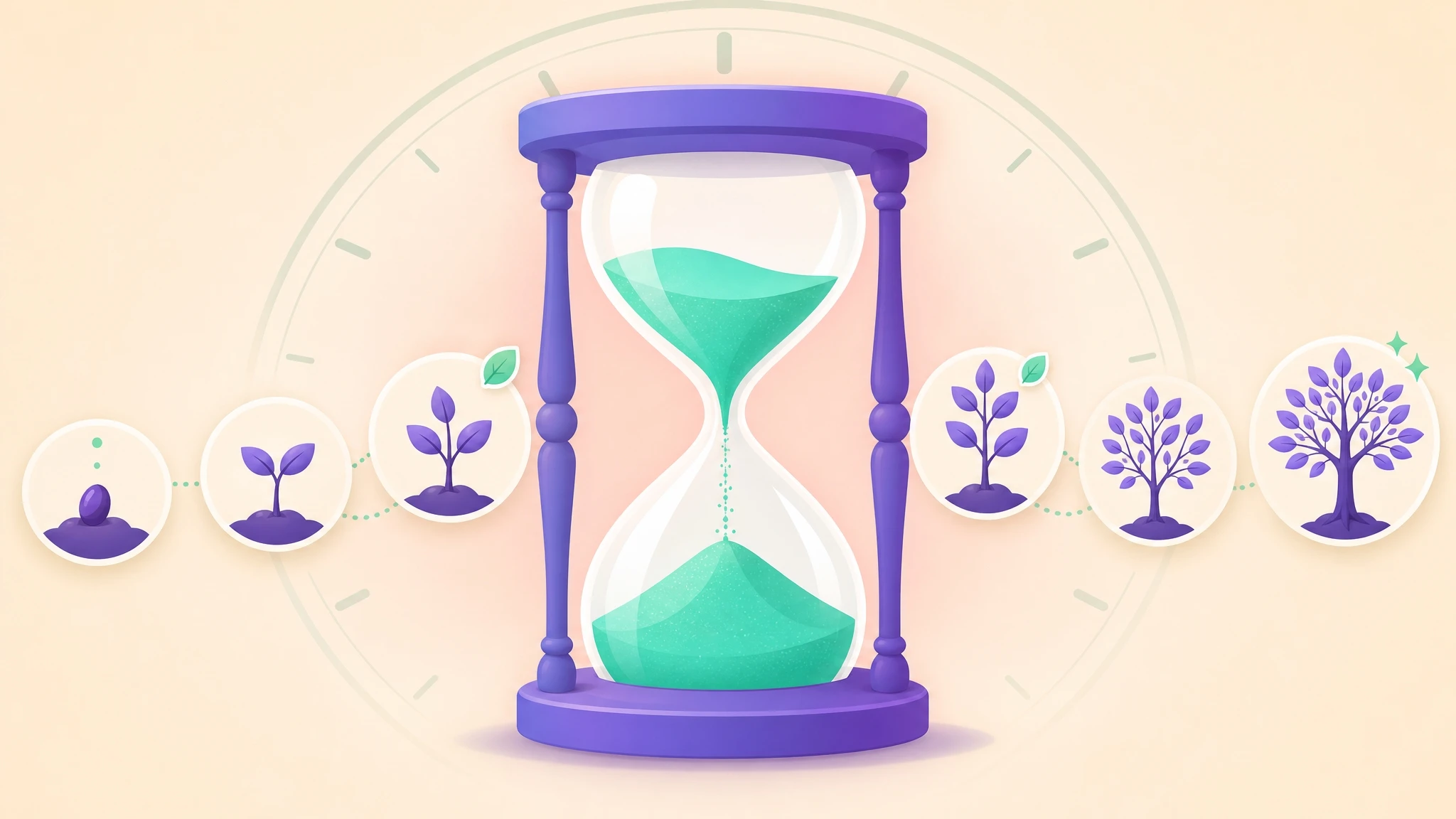
Growth has a fixed timeline. Once the growth plates close, height can no longer be increased by medical means. Even if you feel you have missed the appropriate age to visit a growth clinic, understanding the current status right now is unconditionally better than simply waiting.
Growth is not determined by genetics alone. Bone age condition, hormone balance, and lifestyle habits all have an effect. Through a specialist's objective diagnosis, understanding what the child needs right now and making the most of the remaining growth potential is the most realistic support a parent can provide.
If you are even slightly worried, we recommend seeking professional help.
FAQ
At what age should I take my child to a growth specialist for the first time?
Most growth specialists consider ages 9–11 the optimal window because children still have open growth plates and enough remaining growth potential for meaningful evaluation and, if needed, intervention. However, if you notice warning signs — slow growth velocity, height below the 3rd percentile, or early puberty signs — at any age from 6 onward, an earlier visit is appropriate. Do not wait for a specific birthday if a concern is already present.
What are the signs my child needs a growth evaluation before puberty?
Key signs include growing less than 4 cm per year, height consistently below the 3rd percentile for age and sex, any visible breast development or pubic hair before age 8 in girls or before age 9 in boys, and a noticeable deceleration in growth compared to prior years. Chronic conditions like hypothyroidism or celiac disease also warrant periodic growth monitoring even without obvious height concerns.
Is it too late to see a growth specialist if my child is already in puberty?
Not necessarily. If growth plates are still open — which a bone age X-ray can confirm — there may still be a meaningful window. Earlier is always better, but a specialist visit during puberty can determine whether any remaining growth potential can be optimized. Once growth plates are fully closed, medical interventions for height are no longer effective, which is why avoiding unnecessary delay matters.
References
- Consensus statement on the diagnosis and treatment of children with idiopathic short stature: a summary of the Growth Hormone Research Society, the Lawson Wilkins Pediatric Endocrine Society, and the European Society for Paediatric Endocrinology Workshop. The Journal of clinical endocrinology and metabolism. 2008. PubMed · DOI
- Variation in methods of predicting adult height for children with idiopathic short stature. Pediatrics. 2010. PubMed · DOI
- Aromatase Inhibitors Treatment Alone or With GH Increases Final Height in Short-statured Pubertal Boys-Real-world Data. The Journal of clinical endocrinology and metabolism. 2025. PubMed · DOI
- Growth hormone therapy in children: predictive factors and short-term and long-term response criteria. Endocrine. 2020. PubMed · DOI
- Effectiveness and Safety of Hormonal Treatments in Children with Growth Disorders: A Systematic Review of Clinical Evidence. Clinics and practice. 2026. PubMed