Three Kinds, Doing Three Different Things

Families searching for a growth clinic in Korea quickly find that «growth clinic» covers several quite different things. Knowing which is which saves a wasted appointment.
Broadly there are three: growth centres inside university and general hospitals, private clinics specialising in children’s growth, and traditional Korean medicine clinics.
They are not ranked. They are suited to different situations, and the right one depends on what is actually limiting a particular child.
University and General Hospital Growth Centres

These sit inside large hospitals, usually within pediatric endocrinology, and they are where medically defined short stature belongs.
If a diagnosable condition is suspected — a hormone deficiency, a chromosomal condition, something systemic — this is the setting with the specialists and the diagnostic depth to establish it, and where nationally covered treatment is administered.
The trade-off is practical rather than clinical. Appointments are scheduled far apart, visits are short, and the child may not see the same doctor twice. For a condition that needs establishing, that is fine. For year-by-year management, it is harder.
Private Growth Clinics
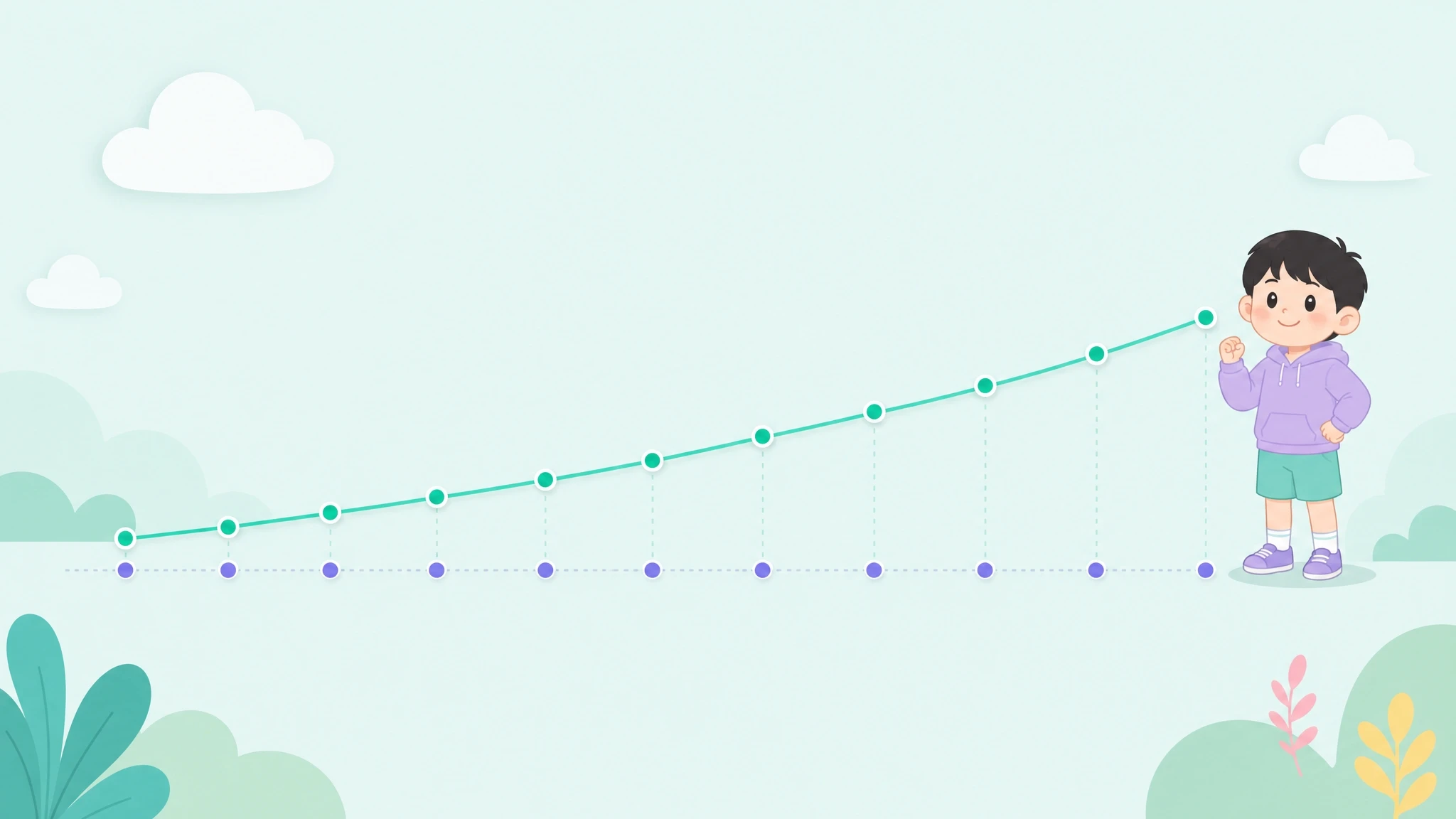
These focus specifically on children’s growth, and their strength is continuity — the same doctor following the same child across years, with visits close enough together that a stalled plan is visible in months rather than at the next annual review.
That matters because growth is measured in centimetres per year. Frequency is not a convenience; it is what makes a change detectable while there is still time to act on it.
Scope is the other difference. A dedicated growth practice tends to look past growth hormone alone — at puberty timing, sleep, inflammation, absorption, posture — because those are what limit many children who have no diagnosable deficiency at all.
187 Growth Clinic, at Yonsei Saebom Medical Clinic in Gangnam, Seoul, is this kind of practice. Bone age and blood work come first, and the plan follows the results.
Traditional Korean Medicine (Hanbang) Clinics

Korean medicine clinics also treat children’s growth, typically with herbal formulas, acupuncture and posture or spinal work.
Families sometimes use these alongside medical treatment rather than instead of it. If you do, it is worth telling both sides — herbal preparations are not inert, and anyone prescribing should know what else a child is taking.
What applies here applies anywhere: ask what will be measured, how often, and what result would change the plan.
Which One Fits

A rough guide rather than a rule.
A diagnosable condition is suspected — very slow growth, a striking drop across percentiles, other symptoms alongside. A hospital growth centre has the depth to establish it, and coverage follows a diagnosis.
The child is growing slowly with nothing obviously wrong — the more common case. What is needed is a plan and someone watching it change, which is what a dedicated growth practice is built for.
You live outside Korea — continuity matters more, not less. Ask which steps can happen locally, whether documentation is issued in English for testing at home, and how follow-up works between visits.
What Is the Same Everywhere
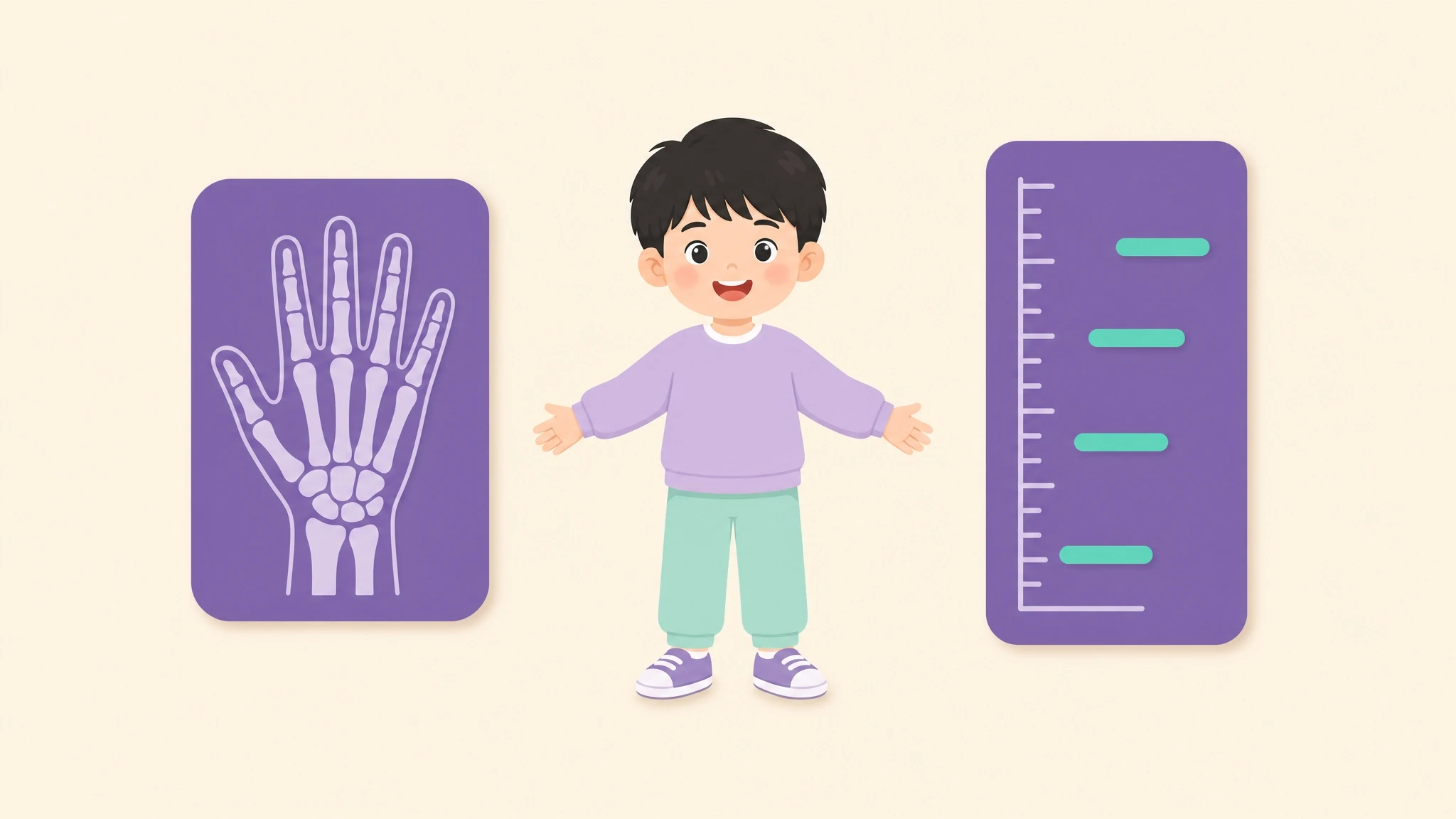
Whatever the setting, the first appointment should produce the same two things: a bone age from a wrist X-ray, and a growth history showing how much the child grew over the last year.
Without those, any recommendation is being made without the two numbers that decide everything. With them, the conversation becomes specific to one child.
And the honest outcome is sometimes that there is time and nothing to start yet. A clinic that never reaches that conclusion with anyone is worth a second look.
Growth depends on the individual child, and this article is general information rather than a diagnosis.
FAQ
Is there any treatment for height growth?
Yes, though what is appropriate depends on what is limiting a particular child. Hormone treatment is one option where results support it; puberty timing, sleep, inflammation and absorption account for many children who have no diagnosable deficiency.
University hospital or private clinic?
A hospital growth centre has the diagnostic depth for a suspected medical condition, and covered treatment follows a diagnosis. A dedicated growth practice offers continuity — the same doctor across years, with visits frequent enough to catch a plan that is not working.
What should the first appointment produce?
A bone age from a wrist X-ray and a growth history covering the last twelve months. Any recommendation made without those two is being made without the numbers that decide it.