Why Stress Leads to Impaired Growth
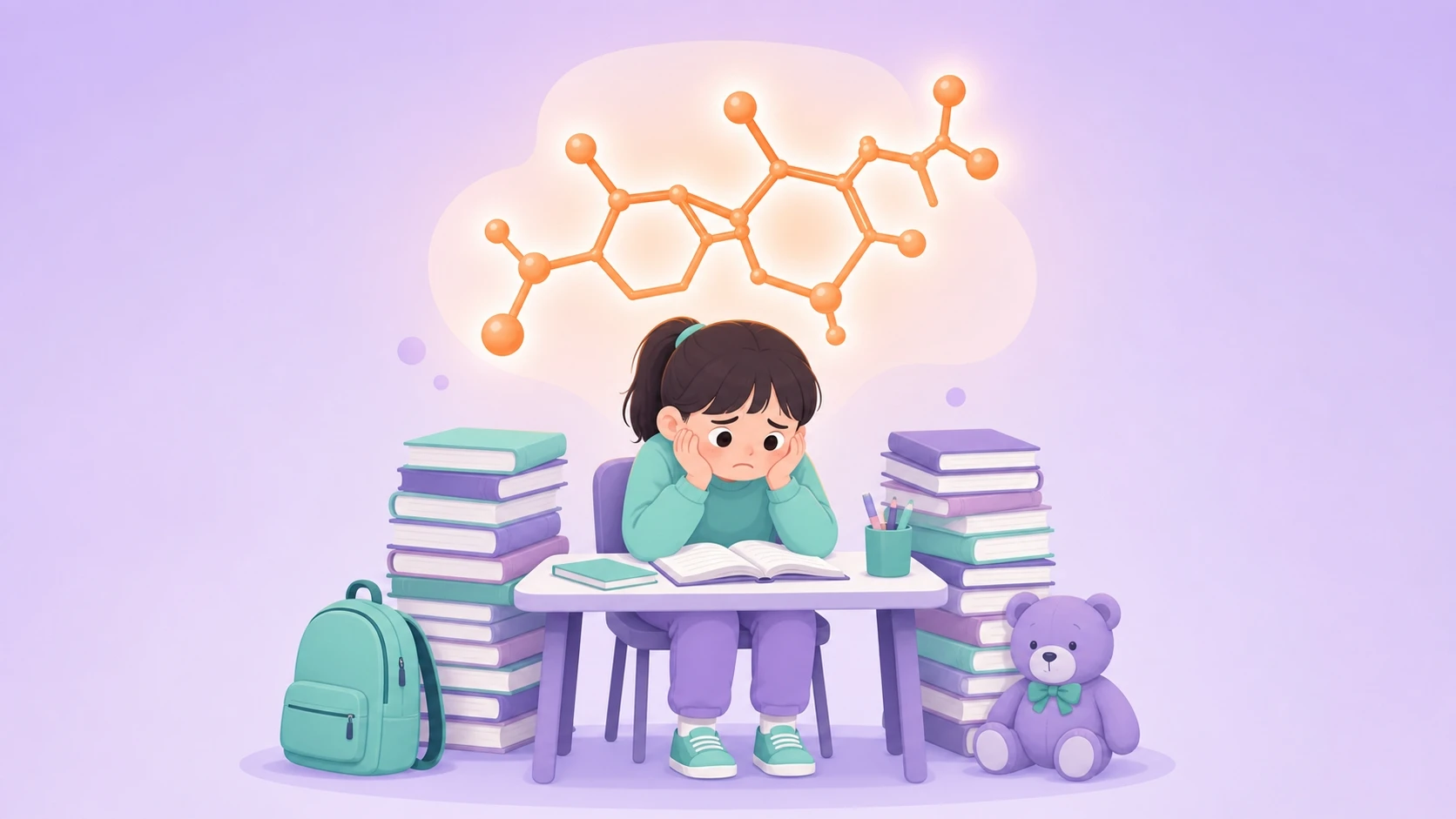
Stress-related growth impairment is not merely a matter of worry; it is a real physiological phenomenon that occurs at the hormonal level. When the body detects stress, the adrenal cortex secretes a steroid hormone called cortisol. In the short term, cortisol plays a beneficial role by rapidly supplying energy and suppressing inflammation. However, when persistent psychological pressure continues—such as academic burdens, peer relationships, or an excessive schedule of private tutoring—cortisol remains chronically elevated. The longer this state persists, the more the body shifts into a survival-first mode, diverting resources that should be used for growth elsewhere. This may be why a child grows more slowly than peers even while eating and sleeping well.
Cortisol's Suppression of Growth Hormone — Four Pathways
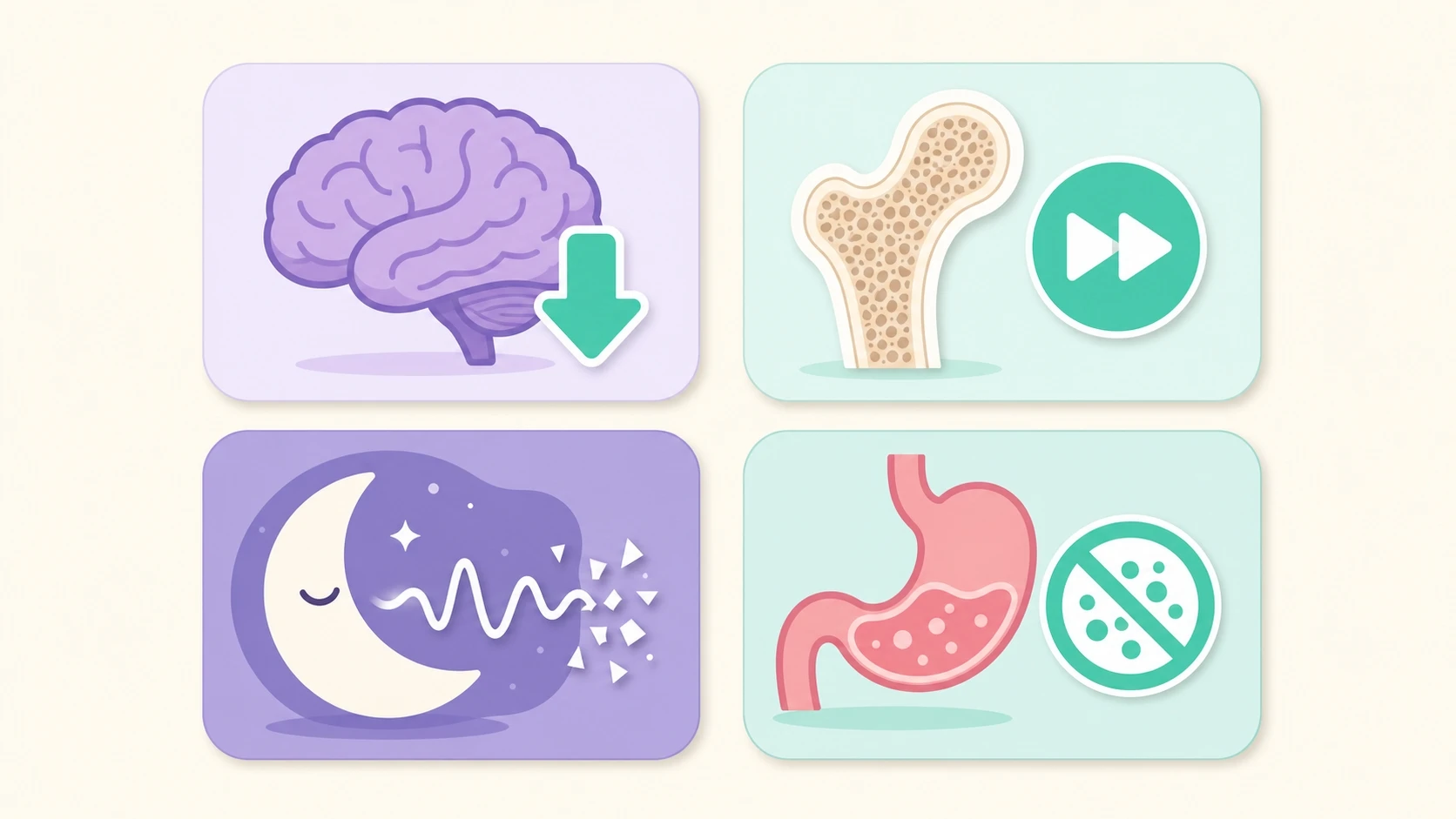
Cortisol's suppression of growth hormone proceeds simultaneously through several pathways.
First, direct blockade of pituitary secretion. When cortisol levels rise, the amount of growth hormone (GH) secreted by the pituitary gland directly decreases. This is because the body, sensing an emergency, prioritizes an immediate survival response over the long-term task of growth.
Second, suppression of growth plate cartilage cells. Cortisol slows the proliferation and differentiation of cartilage cells in the growth plate. When the growth plate—where bones lengthen—becomes sluggish, the actual rate of height growth drops noticeably.
Third, reduced sleep quality. More than 70% of growth hormone is secreted during deep sleep (slow-wave sleep). Chronic stress increases the time it takes to fall asleep and causes awakenings during sleep, robbing the body of the very window when growth hormone is released in a surge.
Fourth, reduced nutrient absorption. Under stress, digestive function declines, appetite decreases, and the nutrients that are consumed are not properly absorbed. When nutrients essential for growth—such as protein, calcium, and zinc—become insufficient, the growth rate inevitably falls further.
Academic Stress and Height Growth — Don't Miss Your Child's Signals
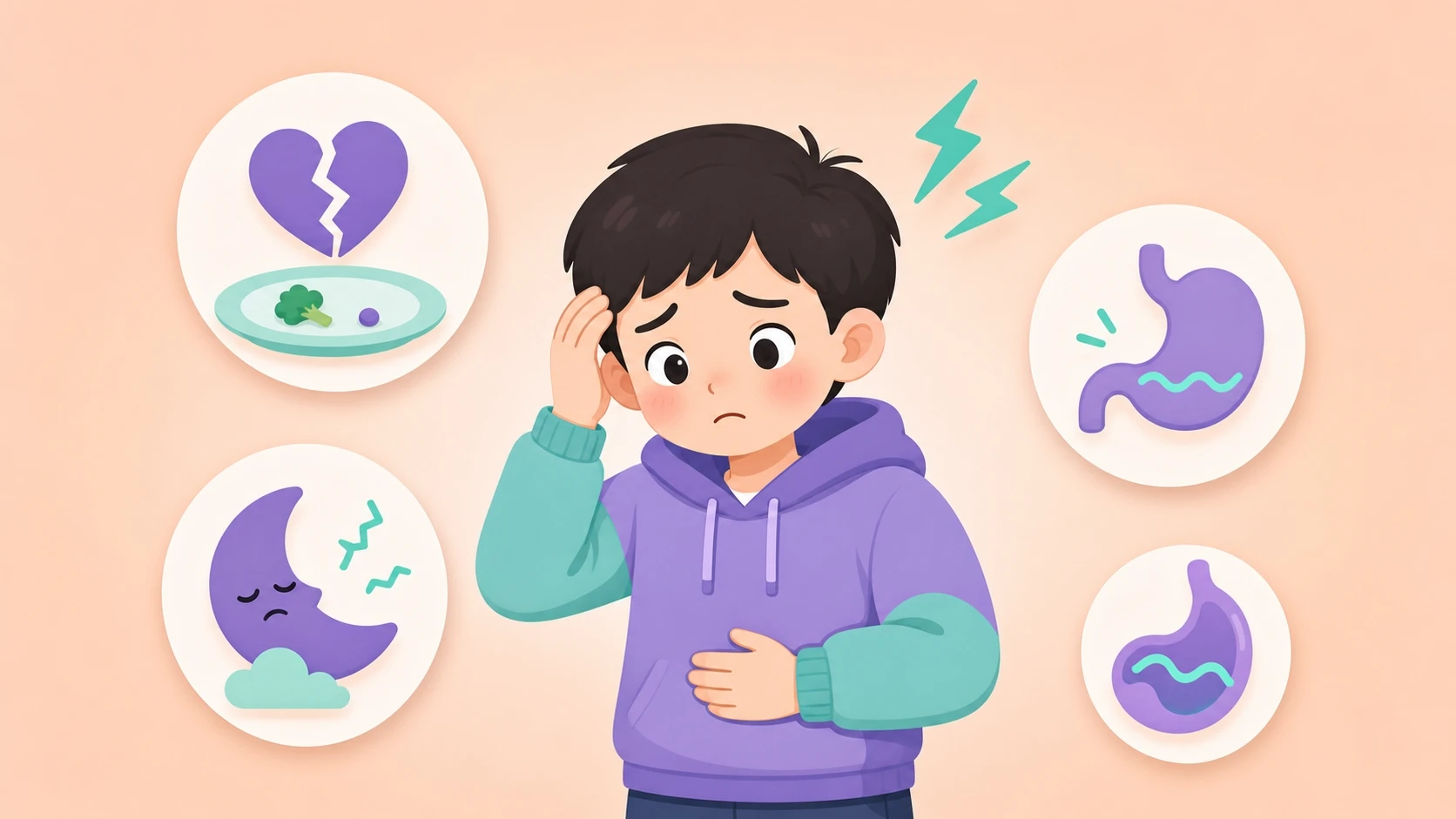
To understand how academic stress affects height growth, you must first catch the signals your child sends. Rather than saying "I'm stressed right now" the way adults do, children express it through their bodies and behavior.
- Difficulty falling asleep at night, or frequent waking during sleep.
- Suddenly losing interest in activities they used to enjoy.
- Complaining of stomachaches or headaches for no apparent reason.
- A significant drop in appetite, or conversely, a tendency to overeat.
- Increased irritability and sensitivity, bursting into tears over small things.
- Repeatedly biting their nails or pulling their hair.
If these signals persist for more than two weeks, it is likely a matter of chronic stress rather than a simple personality trait or a temporary dip in condition. The more private academies a child attends and the greater the homework burden, the more these signals tend to appear in combination.
Five Practices to Reduce the Impact of Psychological Stress on Growth

Here are methods parents can put into practice right away to minimize the impact of psychological stress on growth.
- Fix a sleep routine. Set bedtime at the same hour every day, and cultivate the habit of turning off smartphones and TV one hour before sleep. A regular biological clock brings on the onset of slow-wave sleep sooner.
- Secure unstructured play time. Review the number of academies and guarantee two to three days a week of free play time that your child chooses on their own. Free play naturally lowers cortisol levels.
- Make regular physical activity a habit. Consistently doing exercises that stimulate the growth plate—such as jump rope, basketball, or swimming—for at least 30 minutes a day releases endorphins, achieving both stress relief and growth stimulation at once.
- Maintain a warm channel of communication. Encouragement such as "The very fact that you're making an effort is remarkable" lowers a child's psychological burden more than "You have to do well." Try turning dinnertime into a smartphone-free conversation time.
- Provide a balanced diet. Meals rich in protein, calcium, and magnesium help regulate cortisol secretion. Instant processed foods can destabilize blood sugar and amplify the stress response.
When Should You Seek Professional Help?
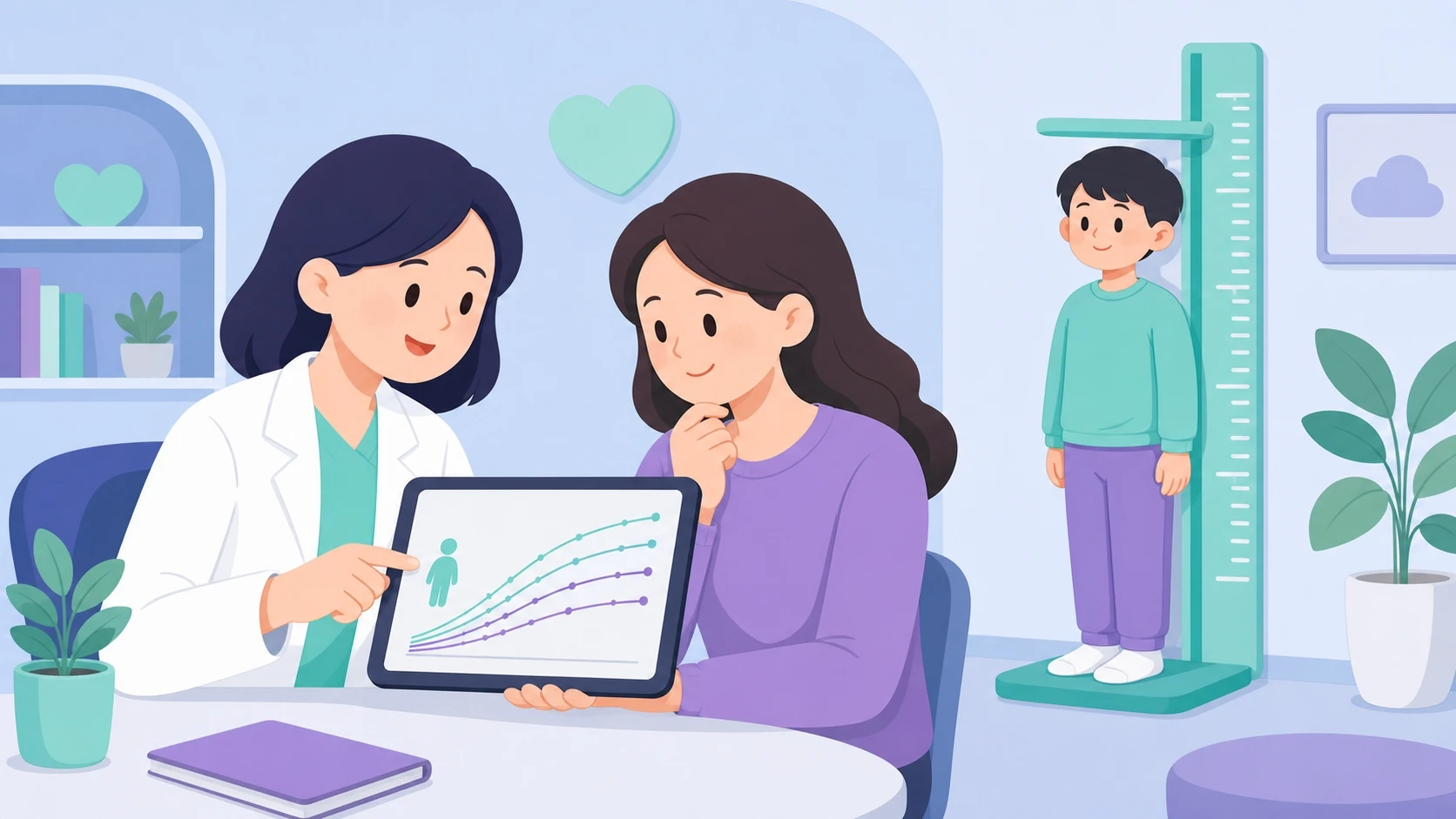
If you have consistently practiced lifestyle improvements for more than three months yet your child's annual growth rate is under 4 cm, or your child is markedly shorter than peers and shows clear stress symptoms, you may consider consulting a pediatric growth specialist. At a specialized clinic, a bone age (skeletal age) examination and a growth hormone secretion test are used to objectively assess your child's current growth status. This is because it is important to distinguish whether the growth delay is caused by stress or whether another medical cause is also present. Based on the test results, you can work together to find the right direction for your child—including lifestyle coaching, nutritional supplementation, and, when necessary, medical intervention.
FAQ
Can stress really stunt a child's growth, or is that just a saying?
It is physiologically real. Chronic stress elevates cortisol, which directly suppresses growth hormone secretion from the pituitary gland and slows cell division in the growth plates. Studies of children raised in high-stress environments show statistically shorter stature compared to peers with similar nutritional intake but lower stress loads — confirming that stress stunts growth in children through measurable hormonal mechanisms, not just folklore.
How quickly can cortisol and growth hormone suppression affect a child's height?
Growth hormone output can drop within days of sustained high cortisol, but visible effects on height take longer to accumulate — typically months of chronic stress before a measurable slowdown appears on a growth chart. The good news is that removing the stressor, improving sleep, and restoring daily physical activity can allow growth hormone secretion to normalize relatively quickly, especially in younger children with more growth runway remaining.
Does academic stress affect height differently than emotional stress at home?
The cortisol response does not distinguish the source of the stressor — academic pressure, social conflict, and household instability all activate the same HPA (hypothalamic-pituitary-adrenal) axis. What matters most is duration and predictability. A one-week exam period is unlikely to cause lasting suppression. Months of unrelieved academic stress or an unpredictable home environment, however, can keep cortisol chronically elevated long enough to affect chronic stress effects on child development, including growth rate.
References
- Effects of stress on bone health in children. Frontiers in endocrinology. 2026. PubMed
- A new stress-related syndrome of growth failure and hyperphagia in children, associated with reversibility of growth-hormone insufficiency. Lancet (London, England). 1996. PubMed · DOI
- Pediatric stress: hormonal mediators and human development. Hormone research. 2003. PubMed · DOI
- A case-comparison study of the characteristics of children with a short stature syndrome induced by stress (Hyperphagic Short Stature) and a consecutive series of unaffected "stressed" children. Journal of child psychology and psychiatry, and allied disciplines. 1999. PubMed · DOI
- Parental stress and growth outcome in growth-deficient children. Pediatrics. 1995. PubMed · DOI