The effect of scoliosis on height growth — start by checking the facts
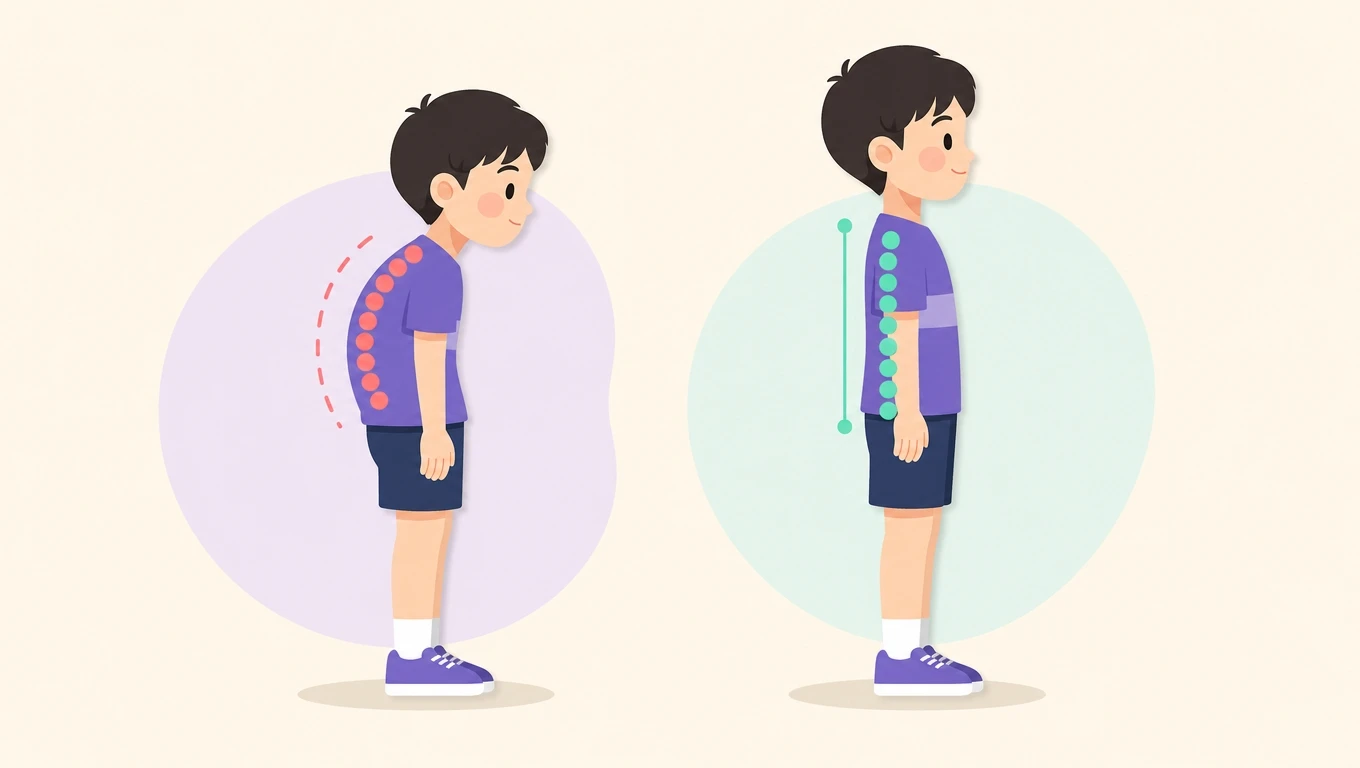
The effect of scoliosis on height growth is the first thing parents worry about. When a child is diagnosed with scoliosis, the anxiety of 'Does this mean my child won't grow any taller?' follows. Let me give you the conclusion first: mild scoliosis (Cobb angle under 20 degrees) does not directly block the growth plates or hinder the lengthening of the bones. However, as the spine curves sideways, the child may measure shorter than their true height, or appear smaller in overall appearance. The problem is severe scoliosis, where the angle exceeds 40 to 50 degrees; in this case, the deformation of the spine itself shortens the trunk length and can have a real impact on final height. In addition, severe deformity can lead to reduced lung function, indirectly burdening whole-body growth. Therefore, understanding the relationship between the scoliosis angle and growth, and periodically tracking the rate of progression, is the key.
The relationship between scoliosis angle and growth — viewed by mild, moderate, and severe
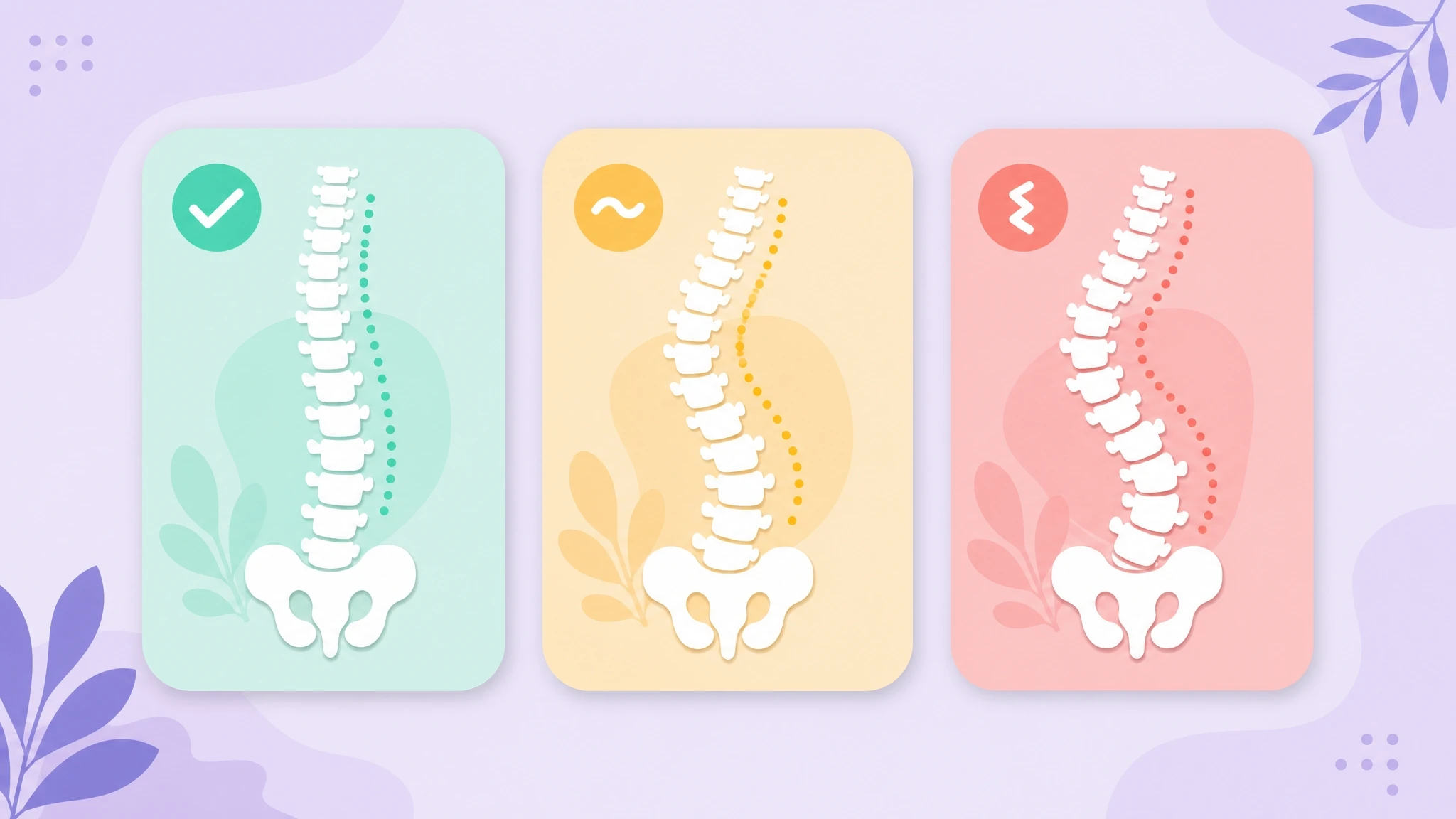
To understand growth in a child with scoliosis, it helps to look at it divided by the Cobb angle.
- Mild (10 to 20 degrees): Growth-plate function is normal. Almost no direct impact on height growth. However, since the rate of progression can accelerate during the growth period, follow-up observation every 6 months is recommended.
- Moderate (20 to 40 degrees): Postural imbalance can create a difference of 1 to 3 cm between measured height and standing height. Bracing treatment is effective in slowing progression, and after correction, real height recovery is possible through improved posture.
- Severe (40 degrees or more): Spinal deformity leads to trunk shortening, increasing the likelihood of final height loss. Reduced lung capacity burdens oxygen supply and whole-body metabolism. This is the stage where surgical correction is considered.
During the growth period (upper elementary grades to middle school), growth hormone is actively secreted, so the rate of scoliosis progression also accelerates. Regularly checking the relationship between the scoliosis angle and growth during this period is more important than anything else.
Height recovery after scoliosis correction — how much can change after correction
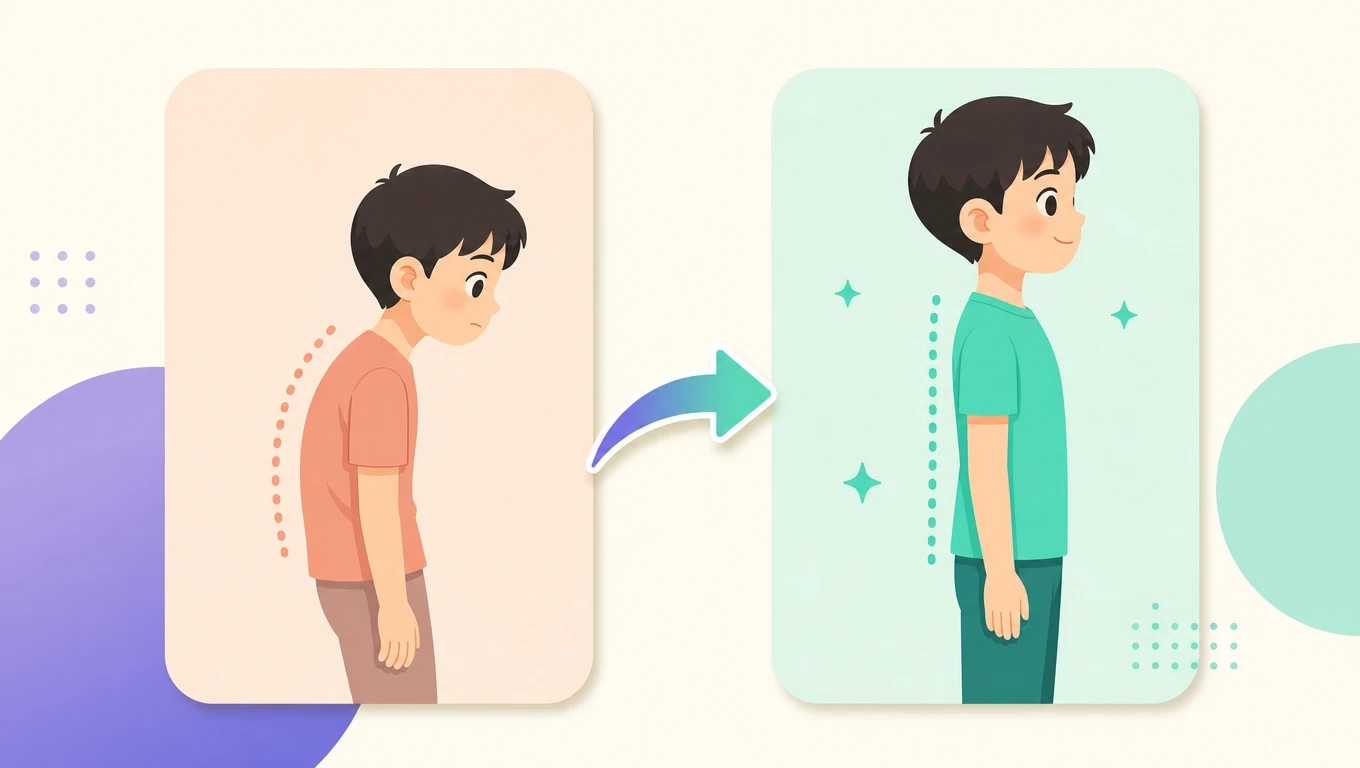
Many parents wonder whether height recovery after scoliosis correction is possible. The main purpose of corrective treatment is 'suppressing angle progression,' but you can also expect an actual change in height as posture improves.
When the spine is curved, the length of the spinal column is measured shorter than it actually is. When posture is straightened through bracing, physical therapy, or corrective exercise, the spine stands more upright, and in clinical practice we frequently observe cases where measured height increases by 1 to 3 cm. This is not the bones themselves having grown more, but rather hidden height being revealed, yet it has a great impact on the child's body image and confidence. What matters is the timing of when correction begins. The earlier the intervention while the growth plates are still open — that is, between the upper elementary grades and early middle school — the greater the effect. After correction, it is important to prevent recurrence by combining proper posture-maintenance training with core-strengthening exercise.
5 lifestyle habits that support growth in a child with scoliosis

To support growth in a child with scoliosis, everyday habits must back up the medical treatment.
- Make good posture conscious: When sitting, place the entire back against the backrest and let the feet touch the floor. When using a smartphone or desk, match eye level so that no biased load is placed on the neck and back.
- Adequate sleep: Growth hormone is secreted intensively during deep sleep (slow-wave sleep). For children in their growth period, 9 to 10 hours of sleep a day is recommended. Reducing smartphone use an hour before bedtime and creating a dark, cool environment raises the quality of sleep.
- Balanced nutrition: Consume a balance of protein (lean meat, legumes, eggs), calcium (dairy, anchovies), and vitamin D (salmon, sunlight). Limit instant foods and sugary drinks, as they consume the energy needed for growth.
- Core-centered exercise: Swimming is the ideal exercise for evenly strengthening the core muscles without placing a load on the spine. Jump rope and jumping motions stimulate the growth plates. Stretching and Pilates are also effective for improving flexibility around the spine.
- Stress management: When cortisol stays persistently high, growth hormone secretion is suppressed. Empathize with the child's emotions and secure time for hobbies and outdoor play to help maintain psychological stability.
Signs that require a specialist consultation — when to go to the hospital
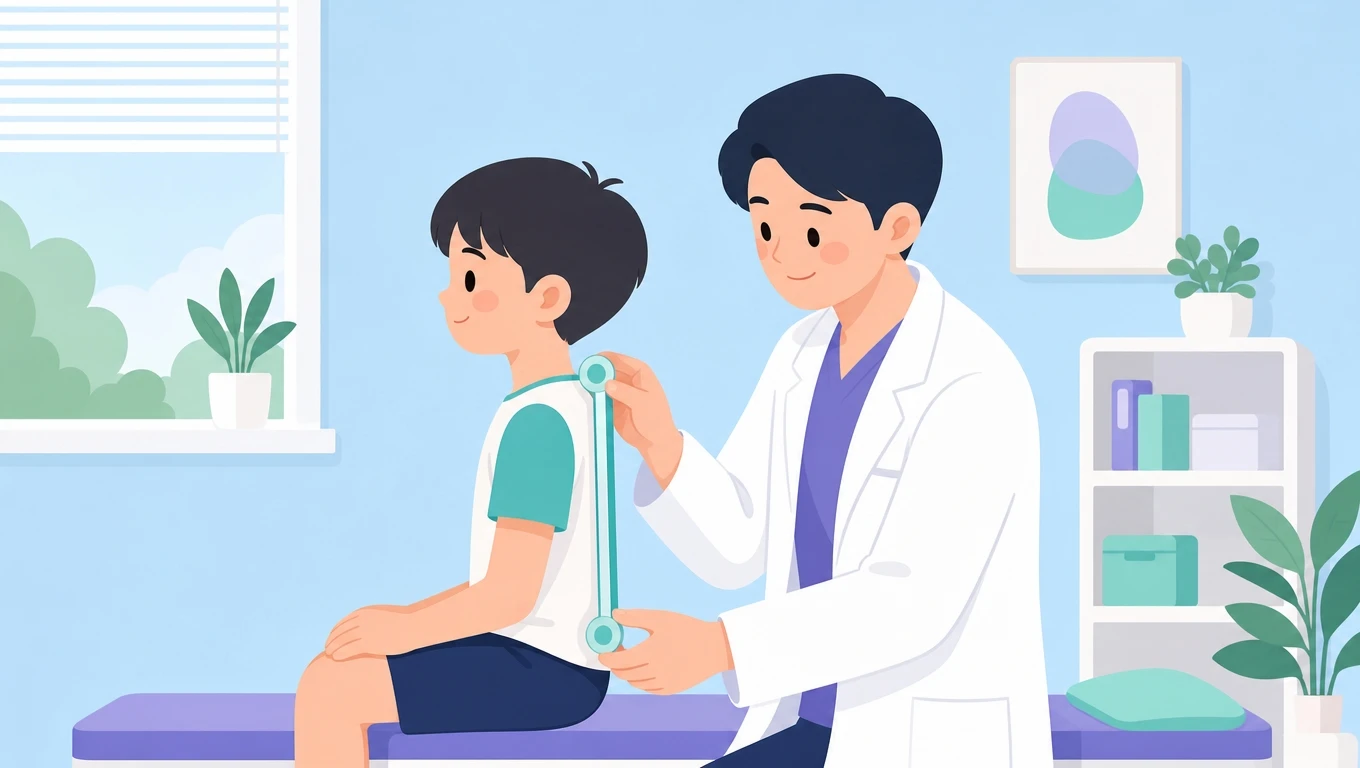
If you notice the following signs, it is best to consult a pediatric growth specialist.
- The height of the two shoulders is noticeably different, or one shoulder blade (scapula) protrudes more
- The waistline is asymmetrical, or the body appears tilted to one side
- The scoliosis angle is suspected of progressing rapidly around puberty
- The rate of height growth falls markedly short of 4 cm per year compared to peers
- Six months have passed since the last X-ray follow-up examination after an existing scoliosis diagnosis
A growth specialist comprehensively reviews bone-age analysis, growth-plate condition assessment, lifestyle coaching, and more. Even with scoliosis, if a growth strategy suited to each child's condition is established, the child can grow up healthily enough. Early detection and consistent management are ultimately the surest way to protect both the child's spinal health and height growth at the same time.
FAQ
Does scoliosis directly stop a child from growing taller?
Mild scoliosis (below 20 degrees) does not block growth plates or prevent bones from lengthening. The apparent height loss is mostly a measurement effect caused by the spinal curve compressing the trunk's vertical axis. Severe scoliosis can reduce trunk height, but even then targeted management during the growth years can limit progression.
What is the best exercise for a child with scoliosis who wants to grow taller?
Swimming is widely endorsed because it builds symmetrical core muscles without compressing the spine. Impact activities like jump rope and basketball stimulate growth plates. Scoliosis-specific physiotherapy (e.g., Schroth method) targets curve progression directly. Avoid heavy axial loading in moderate-to-severe cases without specialist clearance.
At what age should I be most concerned about scoliosis affecting my child's height?
The adolescent growth spurt — roughly ages 10–14 in girls and 12–16 in boys — is the highest-risk window. Growth plates are open, bones are lengthening rapidly, and a mild curve can progress several degrees in months. Early detection and regular monitoring during this period are the most effective safeguards.
References
- Prediction of adult height using maturity-based cumulative height velocity curves. The Journal of pediatrics. 2005. PubMed · DOI
- Consensus statement on the diagnosis and treatment of children with idiopathic short stature: a summary of the Growth Hormone Research Society, the Lawson Wilkins Pediatric Endocrine Society, and the European Society for Paediatric Endocrinology Workshop. The Journal of clinical endocrinology and metabolism. 2008. PubMed · DOI
- Adult height in constitutionally tall stature: accuracy of five different height prediction methods. Archives of disease in childhood. 1993. PubMed · DOI
- Osteoporosis in children and adolescents: how to treat and monitor? European journal of pediatrics. 2023. PubMed · DOI
- Variation in methods of predicting adult height for children with idiopathic short stature. Pediatrics. 2010. PubMed · DOI