The Question Every Busy Parent Is Quietly Asking

Over-scheduled child stress and growth concerns go hand in hand — and more parents are starting to connect the dots. It starts innocently: math tutoring on Monday, swimming on Wednesday, piano on Friday. You want the best for your child, and a well-rounded schedule feels like good parenting. But at some point a nagging worry surfaces: could all these after-school activities actually be working against your child's physical development?
This is not a hypothetical concern. Pediatric growth specialists increasingly see children whose bodies are physiologically burdened by chronic busyness. The science is clear that stress hormones and height-building hormones compete for dominance — and when stress wins too consistently, growth can quietly stall. Understanding the biology behind this can help parents make more informed, confident choices about their child's schedule.
How Academic Pressure Stunts Growth Through Cortisol

When a child faces an overwhelming schedule, the body interprets relentless pressure as a threat and responds by releasing cortisol — the primary stress hormone. In short bursts, cortisol is helpful; it sharpens focus and helps kids push through a tough exam. The problem arises when the busy child cortisol height relationship tips into a chronic state.
Elevated cortisol over weeks and months directly suppresses the secretion of growth hormone. It also degrades sleep quality, which matters enormously because the majority of growth hormone pulses are released during slow-wave (deep) sleep. A child who goes to bed late after finishing heaps of homework, or who lies awake anxious about tomorrow's lesson, is effectively cutting off one of the body's most powerful growth signals night after night. Academic pressure stunts growth not through a single bad week, but through the quiet accumulation of disrupted sleep and suppressed hormones.
Three Ways Too Many After-School Activities Affect Your Child's Health
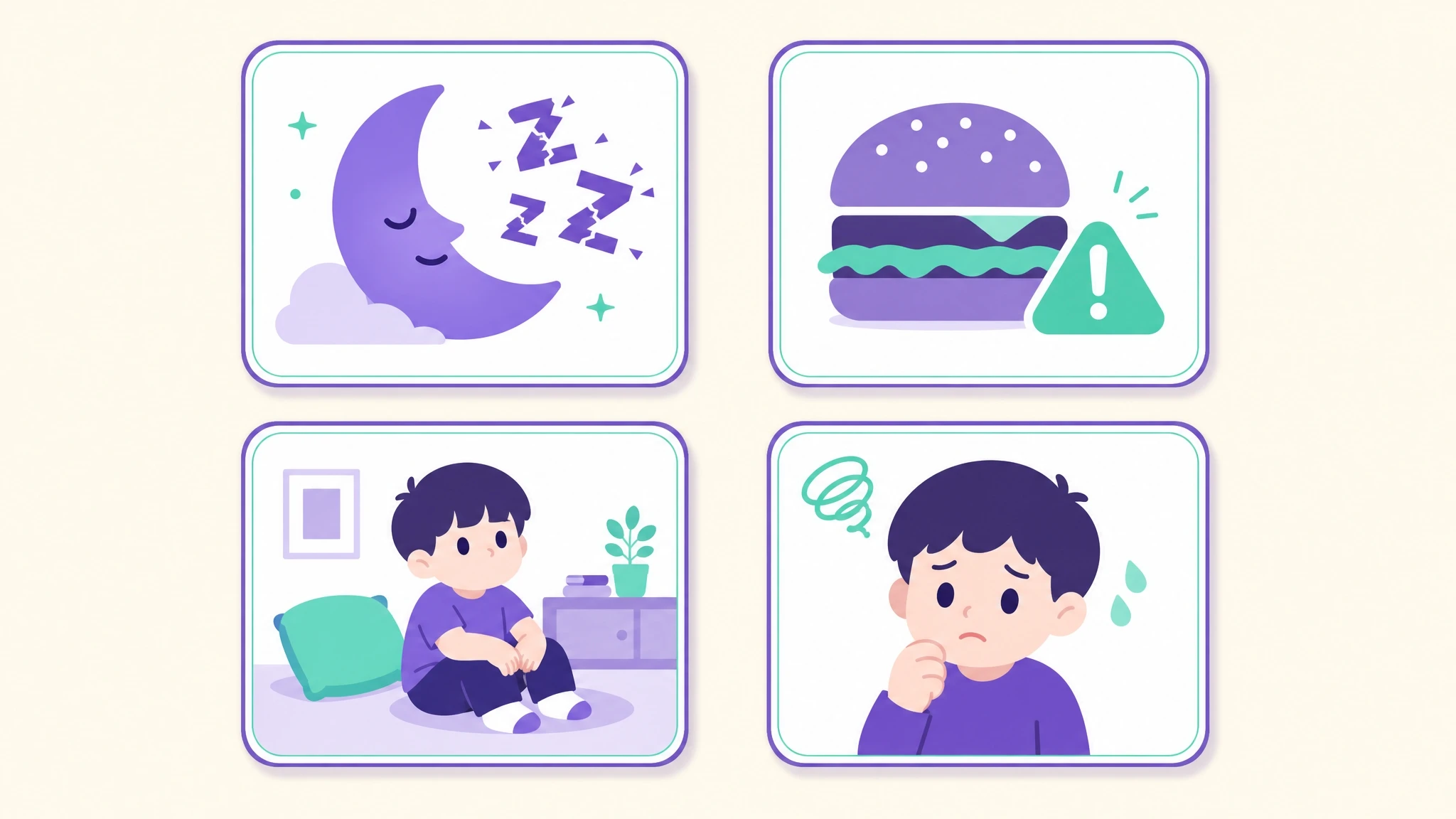
Too many after-school activities child health effects are not limited to mood or attention — they ripple through every biological system that supports growth.
- Disrupted nutrition: Children racing between activities often eat in the car, skip meals, or reach for high-sugar convenience snacks. Without adequate protein, zinc, and calcium, the raw materials for bone elongation are simply unavailable, no matter how healthy the rest of the routine might be.
- Reduced physical play: Structured activities can paradoxically crowd out free, spontaneous movement — the kind of jumping, climbing, and running that delivers mechanical load to growth plates. A child who spends most of the week sitting in classrooms or lesson chairs misses these natural stimulation opportunities.
- Emotional withdrawal: Persistent overwhelm erodes self-confidence and can lead to a lowered sense of wellbeing, which research links to poorer immune regulation and slower somatic development. A child who feels chronically stressed is not a child who is thriving biologically.
What a Sustainable Weekly Routine Actually Looks Like
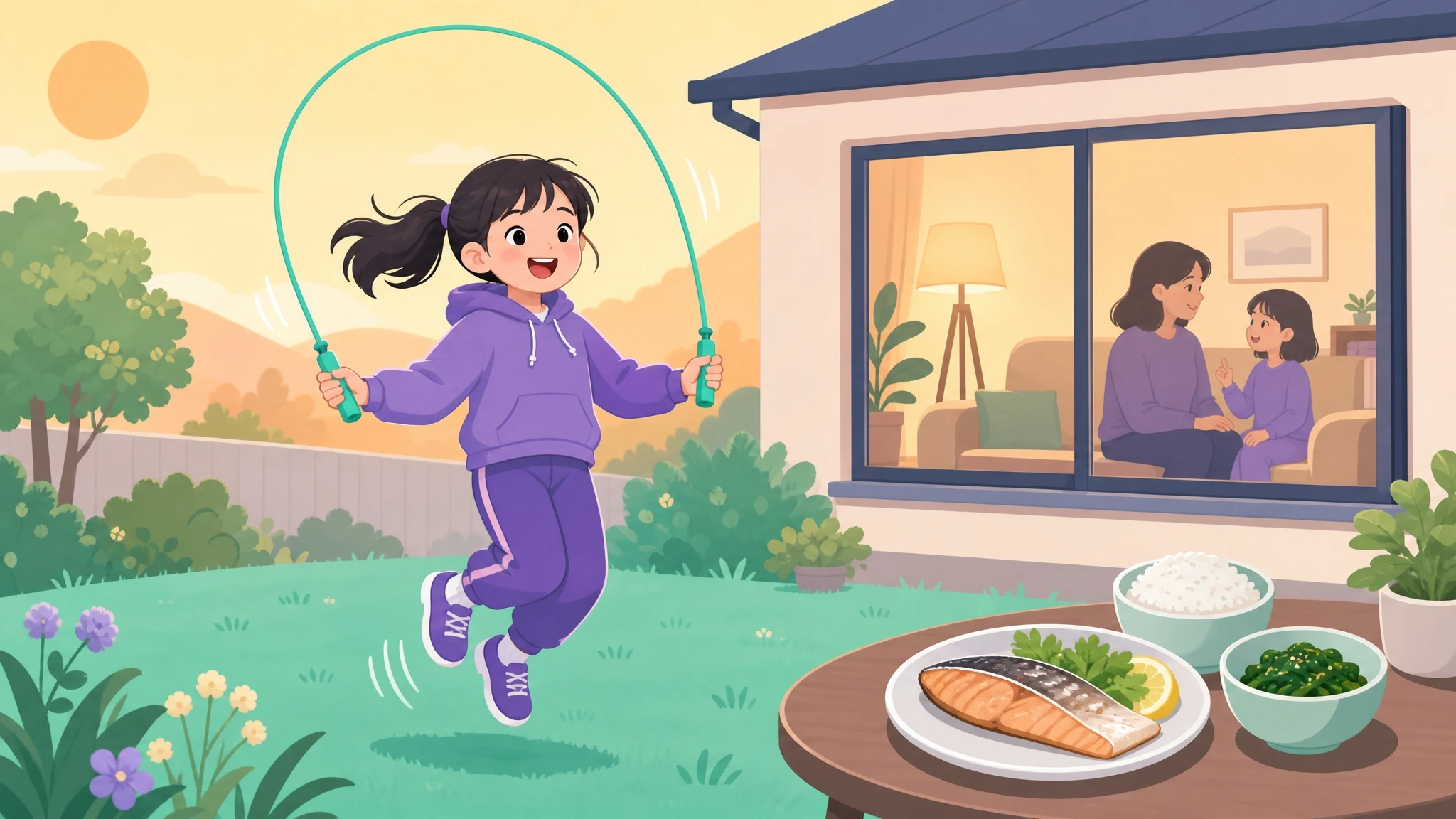
Rethinking an over-scheduled child's stress and growth balance does not mean removing all structure — it means making intentional space for the biological essentials.
- Prioritise sleep above everything. Children aged 6–12 need 9–11 hours. Growth hormone is not negotiable: it peaks during the first few deep-sleep cycles, usually within the first 90 minutes of falling asleep. A consistent bedtime before 9:30 pm is one of the highest-leverage decisions a parent can make.
- Limit high-pressure commitments to two or three per week. This is not about doing less — it is about recovering enough between sessions so that cortisol has time to return to baseline and the body can dedicate resources to growth.
- Protect daily free play. Even 30–45 minutes of unstructured outdoor activity gives the skeleton the mechanical signals it needs and allows cortisol to clear naturally through physical movement and laughter.
- Eat dinner together without screens. Family meals reinforce circadian rhythms, improve food variety, and lower stress hormones — three benefits in a single habit.
Recognising the Signs Your Child Is Carrying Too Much
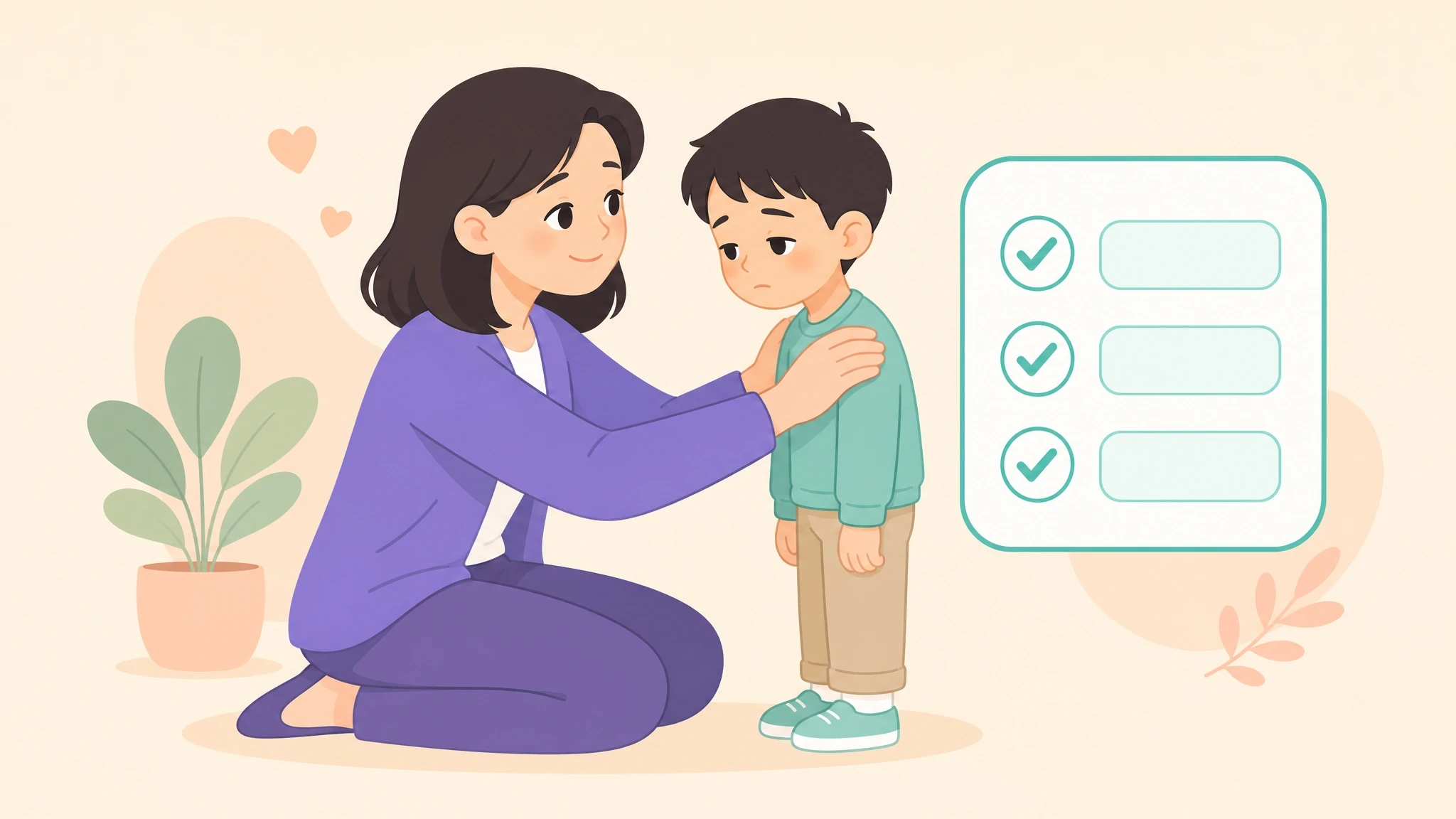
Because children rarely say outright that they are overwhelmed, parents need to read physical and behavioural signals. The connection between busy child cortisol and height concerns often shows up first as subtle everyday changes rather than dramatic decline.
Watch for: persistent fatigue that does not resolve on weekends; frequent headaches or stomach aches before lessons; falling growth velocity (less than 4–5 cm per year after age 4); increased irritability or tearfulness around activity time; a drop in appetite combined with cravings for sweet or salty snacks. Any combination of these signals warrants a genuine conversation about schedule load — and if growth velocity appears to be slowing, a formal assessment from a growth-focused specialist can clarify whether cortisol-related suppression is a contributing factor.
When to Seek Professional Guidance for Growth Concerns

For many families, adjusting the schedule and restoring sleep is enough to see growth velocity bounce back within a few months. However, if your child has been noticeably shorter than peers for over a year, has grown less than 4 cm in the past 12 months, or shows signs of early puberty alongside a dense schedule, professional evaluation can provide important clarity.
Specialists in child growth can assess bone age through X-ray — a simple, low-radiation wrist scan that reveals how much growth potential remains and whether the current pace of development is appropriate. This kind of objective data transforms vague parental worry into an actionable plan. Some families discover that lifestyle corrections are all that is needed; others learn that additional support would meaningfully protect their child's final height. Either way, knowing is always better than wondering — and the window for intervention is almost always wider than parents fear.
FAQ
Can stress from too many after-school activities really stop my child from growing?
Yes, chronically elevated cortisol — the hormone released under sustained stress — directly suppresses growth hormone secretion and disrupts deep sleep, which is when the bulk of growth hormone is released. Over-scheduling that leaves a child consistently tired, anxious, or sleep-deprived can measurably slow growth velocity over time.
How many after-school activities is too many for a growing child?
There is no universal number, but most pediatric growth experts suggest that two to three structured commitments per week, combined with at least 9 hours of sleep and daily unstructured play, keeps cortisol levels manageable. The clearest sign of overload is not the number of activities but the presence of fatigue, appetite changes, and slowing growth rate.
How quickly can growth improve after reducing schedule pressure?
When sleep is restored and stress is reduced, many children show improved growth velocity within 3 to 6 months. The body responds relatively quickly once cortisol returns to baseline and growth hormone pulses are no longer suppressed. Tracking height every 3 months at home gives parents a concrete way to observe the change.
References
- Effects of stress on bone health in children. Frontiers in endocrinology. 2026. PubMed
- Parental stress and growth outcome in growth-deficient children. Pediatrics. 1995. PubMed · DOI
- A new stress-related syndrome of growth failure and hyperphagia in children, associated with reversibility of growth-hormone insufficiency. Lancet (London, England). 1996. PubMed · DOI
- A case-comparison study of the characteristics of children with a short stature syndrome induced by stress (Hyperphagic Short Stature) and a consecutive series of unaffected "stressed" children. Journal of child psychology and psychiatry, and allied disciplines. 1999. PubMed · DOI
- Impact of conflict-induced stress on the length of craniofacial growth. Scientific reports. 2026. PubMed · DOI