It Is Not About 10 PM — It Is About Deep Sleep
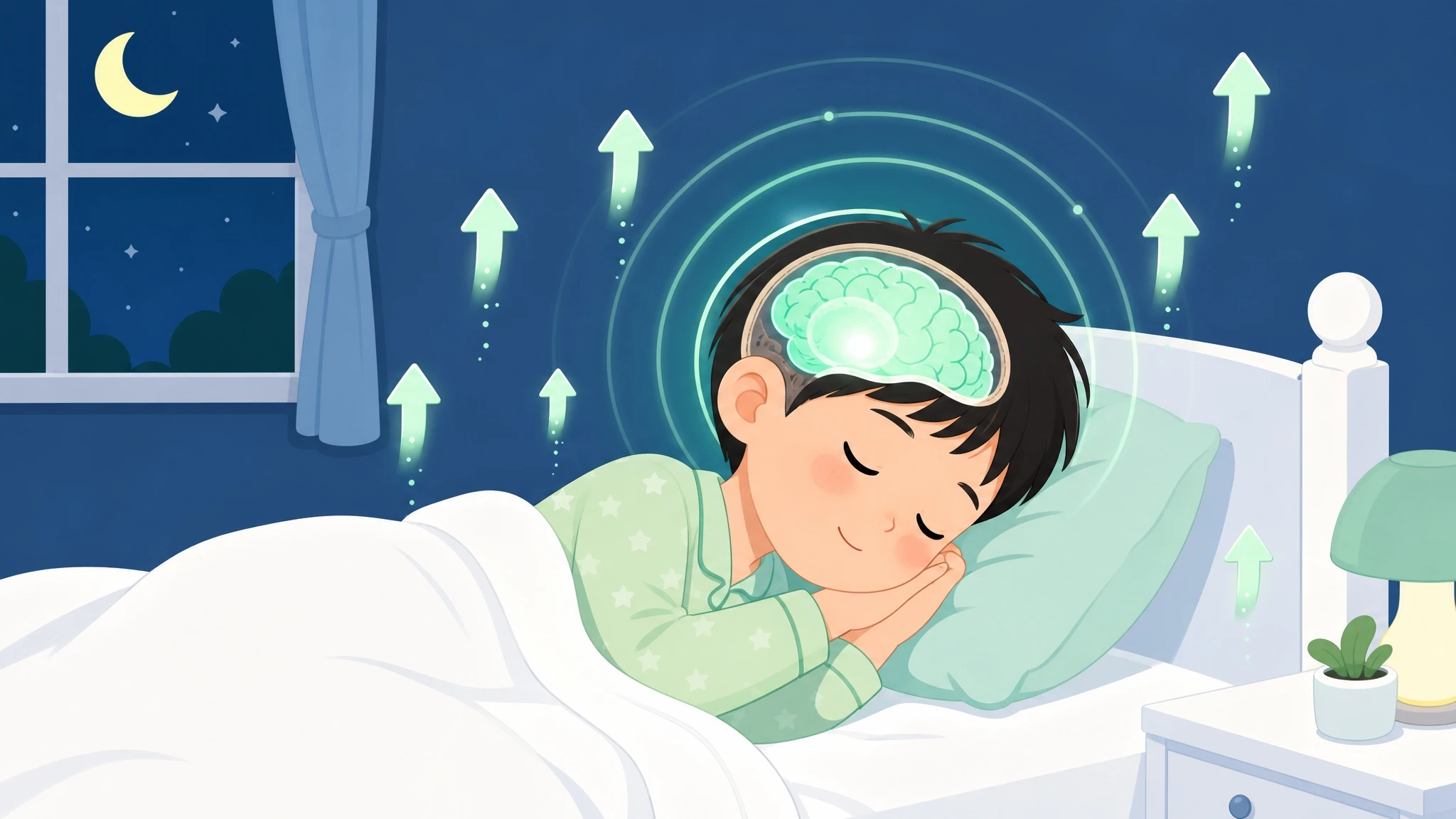
Many parents wonder how much sleep do kids need to grow taller, and the most common answer they hear is a simple one: "make sure your child is in bed by 10 PM." While consistent bedtime does matter, sleep science tells a more nuanced story. The real driver of height growth is not the clock on the wall — it is the depth of sleep your child reaches each night. Growth hormone, the biochemical signal responsible for lengthening bones and rebuilding tissue, is released in pulses during the deepest stages of the sleep cycle. If a child hits the pillow at 9:30 PM but spends the night in fragmented, shallow sleep, that early bedtime delivers far less growth benefit than most parents assume.
How Growth Hormone Is Released During Sleep
Understanding deep sleep stages growth hormone release is the key insight every parent needs. Human growth hormone (HGH) follows a predictable rhythm tied to the sleep cycle. During Non-REM Stage 3 — commonly called slow-wave or deep sleep — the brain shifts into its slowest wave pattern, muscles relax completely, and the pituitary gland releases its largest single pulse of HGH for the entire day. Research shows this peak pulse occurs within the first one to two hours after a child falls asleep, making the quality of sleep onset critically important.
If a child is restless, wakes frequently, or never fully transitions into slow-wave sleep, the body's natural growth hormone window closes without being fully utilized. This is why two children sleeping the same number of hours can have very different hormonal outputs — the child achieving deeper, uninterrupted sleep consistently wins on growth hormone production.
Why Children Struggle to Reach Deep Sleep
Before designing a better children sleep schedule height plan, it helps to identify what is pulling kids out of deep sleep in the first place. The most common culprits include:
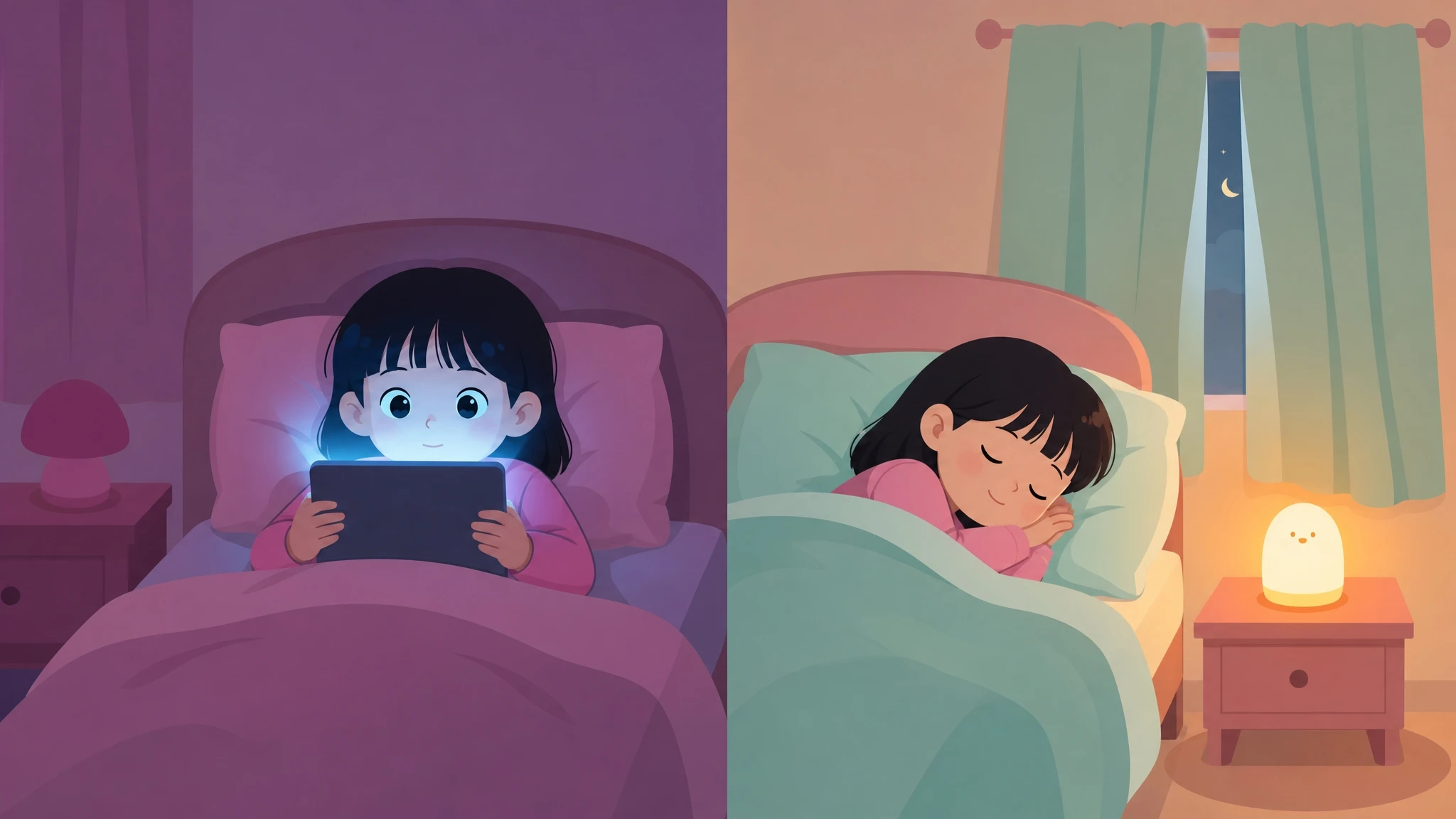
- Screen exposure before bed: Smartphones, tablets, and televisions emit blue-spectrum light that suppresses melatonin production and keeps the brain in an alert state — the opposite of what deep sleep requires.
- Irregular sleep timing: When a child's bedtime shifts by an hour or more between weekdays and weekends, the circadian rhythm loses its anchor, making it harder to fall into deep sleep predictably.
- Unresolved stress or anxiety: Academic pressure, friendship worries, or general overstimulation from a packed after-school schedule elevates cortisol, which is known to directly suppress growth hormone secretion.
- Poor sleep environment: Rooms that are too bright, too warm, or subject to intermittent noise prevent the brain from sustaining slow-wave sleep cycles through the night.
- Evening sugar or caffeine intake: Energy drinks, sweet snacks, and even some fruit juices consumed late in the day stimulate the nervous system and delay natural sleep onset.
Recommended Sleep Hours by Age — and What Counts as Enough
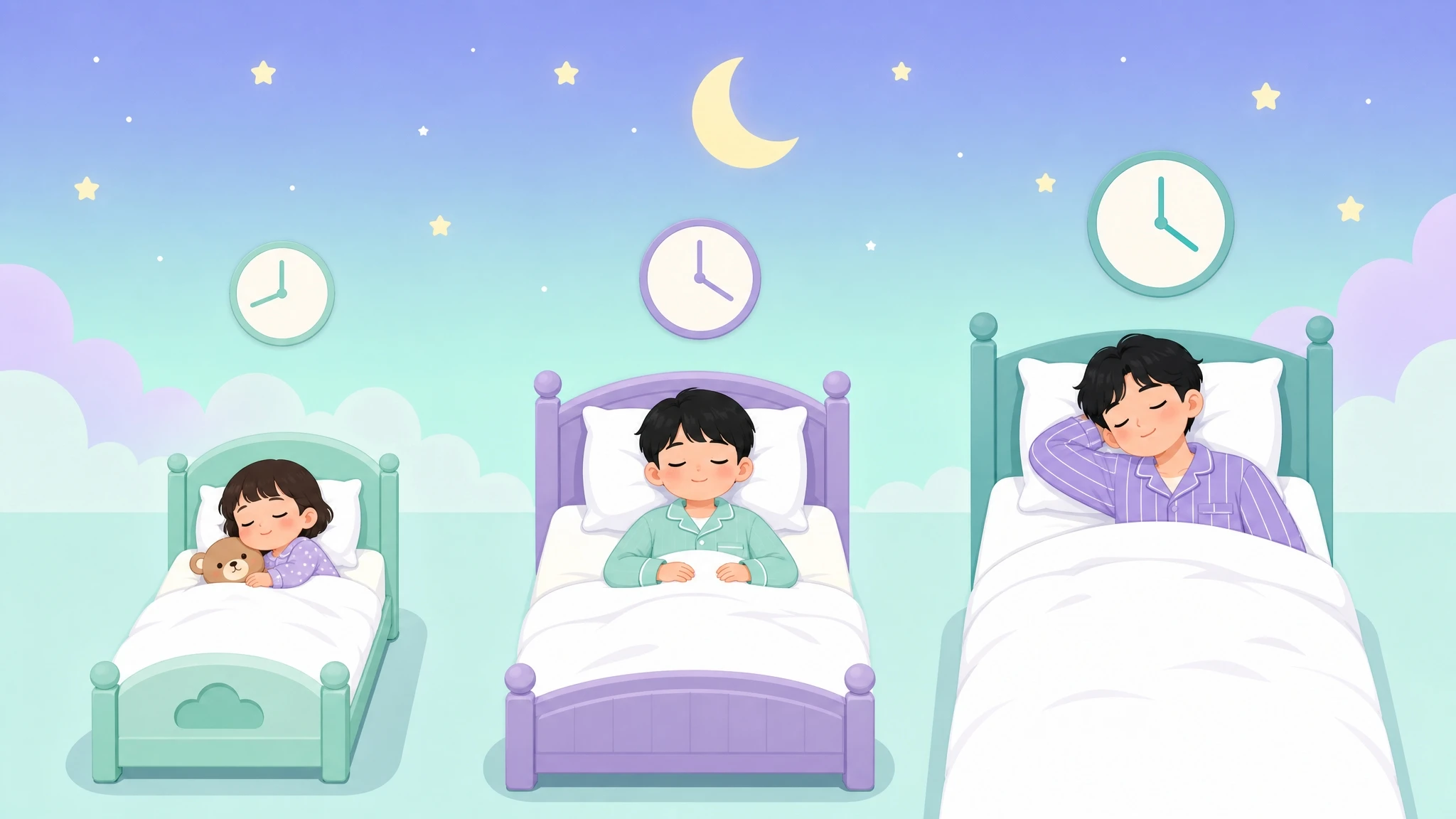
When parents ask about sleep hours for growth hormone release kids, the answer involves both quantity and quality. Leading pediatric health organizations recommend the following nightly sleep totals for children:
- Ages 3–5: 10–13 hours (including naps)
- Ages 6–12: 9–12 hours
- Ages 13–18: 8–10 hours
However, reaching the lower end of these ranges while spending a large portion of the night in light sleep is not equivalent to achieving the upper end with deep, consolidated cycles. Growth clinics that evaluate pediatric sleep patterns note that children who fall asleep within 20 minutes and maintain sleep with minimal waking produce measurably more growth hormone than peers who technically meet the hour count but sleep fitfully. Total hours set the ceiling; sleep quality determines how much of that ceiling is actually used.
A 5-Step Bedtime Routine to Maximize Deep Sleep and Growth
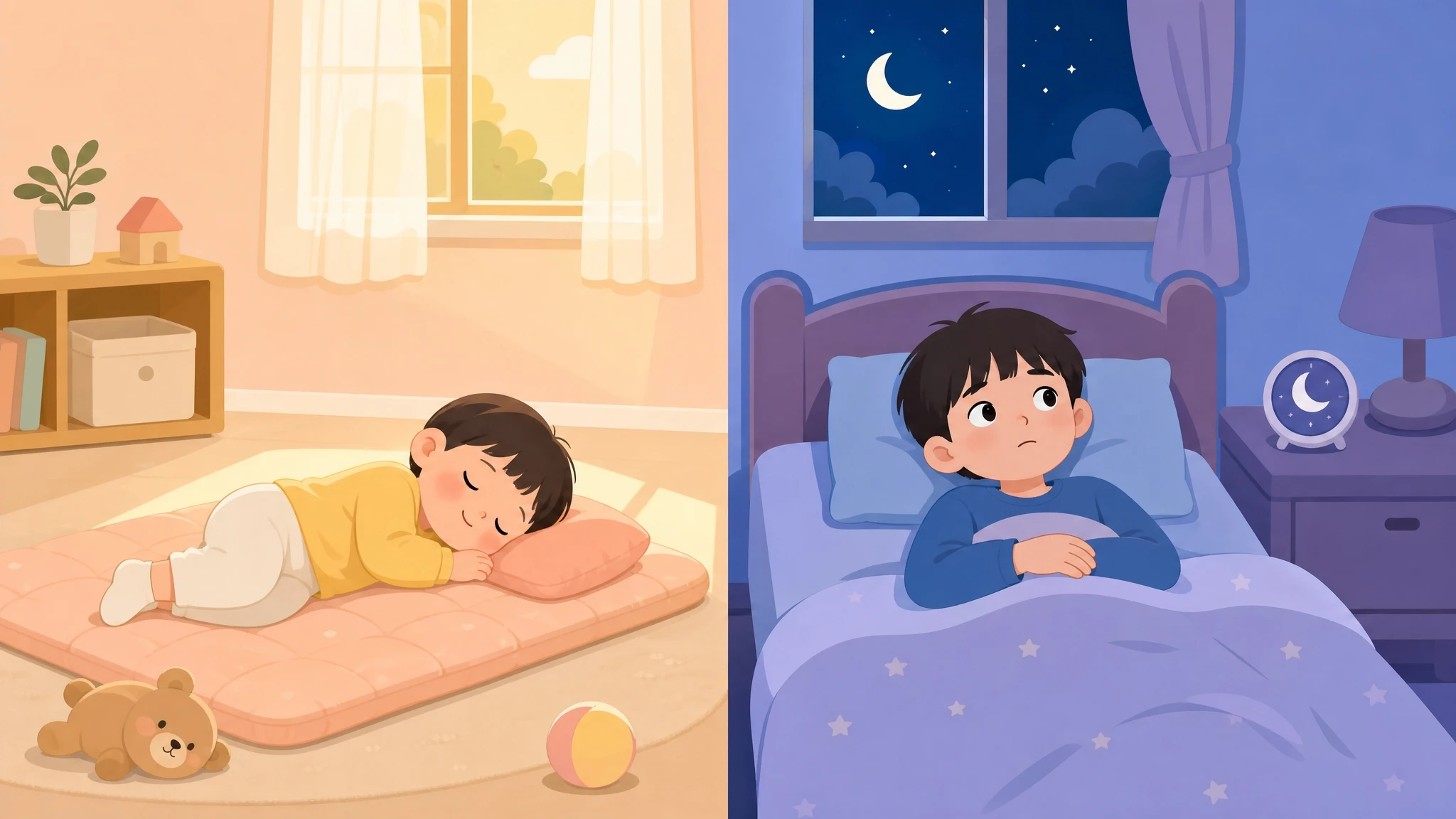
Building a consistent bedtime structure is the most practical step parents can take to improve the children sleep schedule height connection. Here is a five-step framework:
- Lock in a fixed sleep and wake time — including weekends. Regularity trains the circadian system to initiate slow-wave sleep on cue, making deep sleep stages reliably accessible night after night.
- Cut all screens 60 minutes before lights-out. Replace devices with reading, quiet conversation, or calm family time. This window allows melatonin to rise naturally and prepares the brain for a smooth descent into deep sleep.
- Optimize the bedroom environment. Keep room temperature between 18–22°C (65–72°F), use blackout curtains, and eliminate noise sources. Even small amounts of light or sound can interrupt slow-wave sleep cycles mid-night.
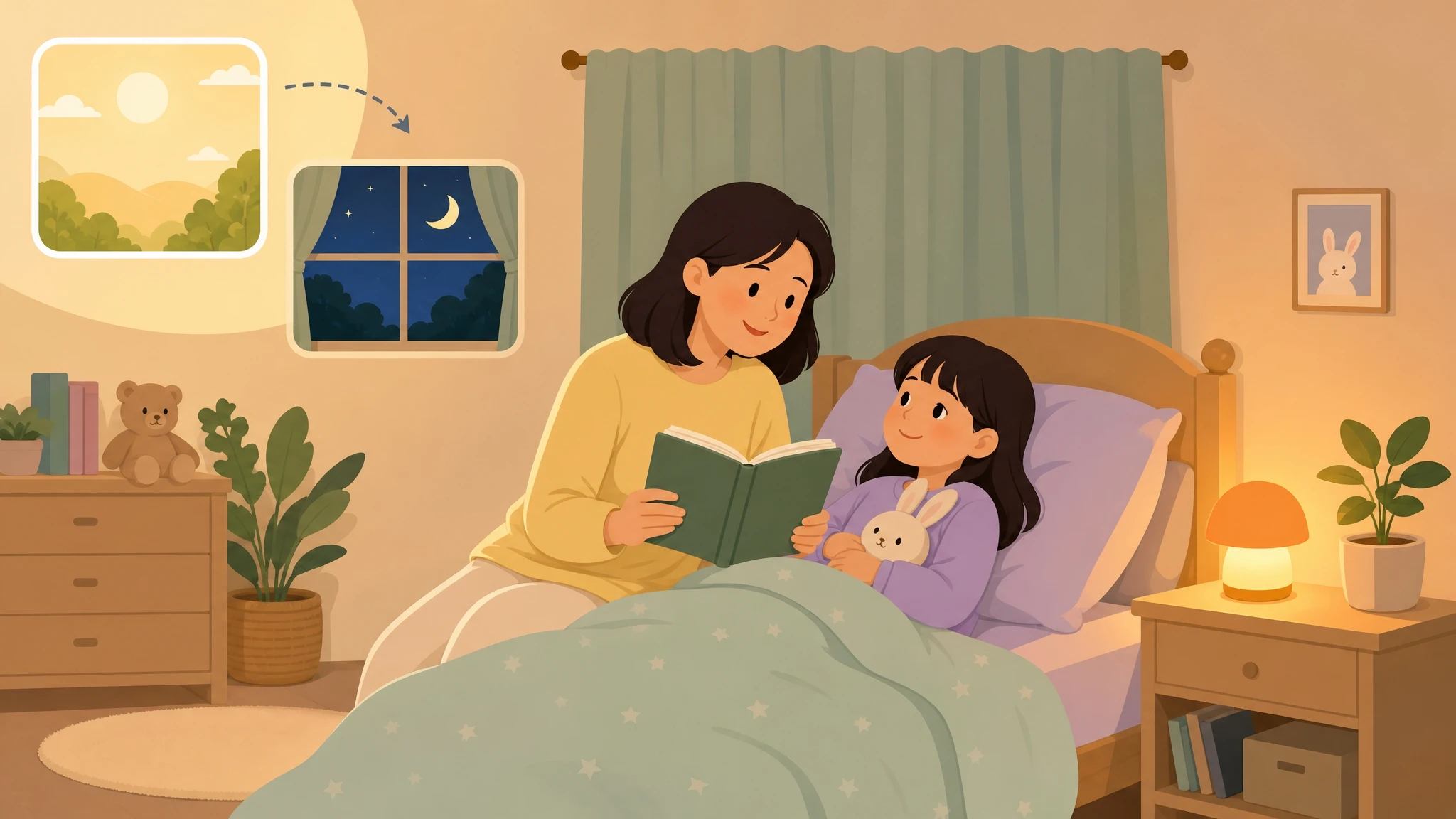
- Add a wind-down ritual 30–45 minutes before bed. A warm bath, gentle stretching, or soft background music signals the nervous system that the active day is over. This transition reduces cortisol and accelerates sleep onset.
- Prioritize outdoor activity and natural light during the day. Daytime sunlight exposure regulates the circadian rhythm and boosts evening melatonin production. Active play also creates physical tiredness that supports deeper, more sustained slow-wave sleep cycles.
Sleep Is Essential, But It Is Part of a Bigger Picture
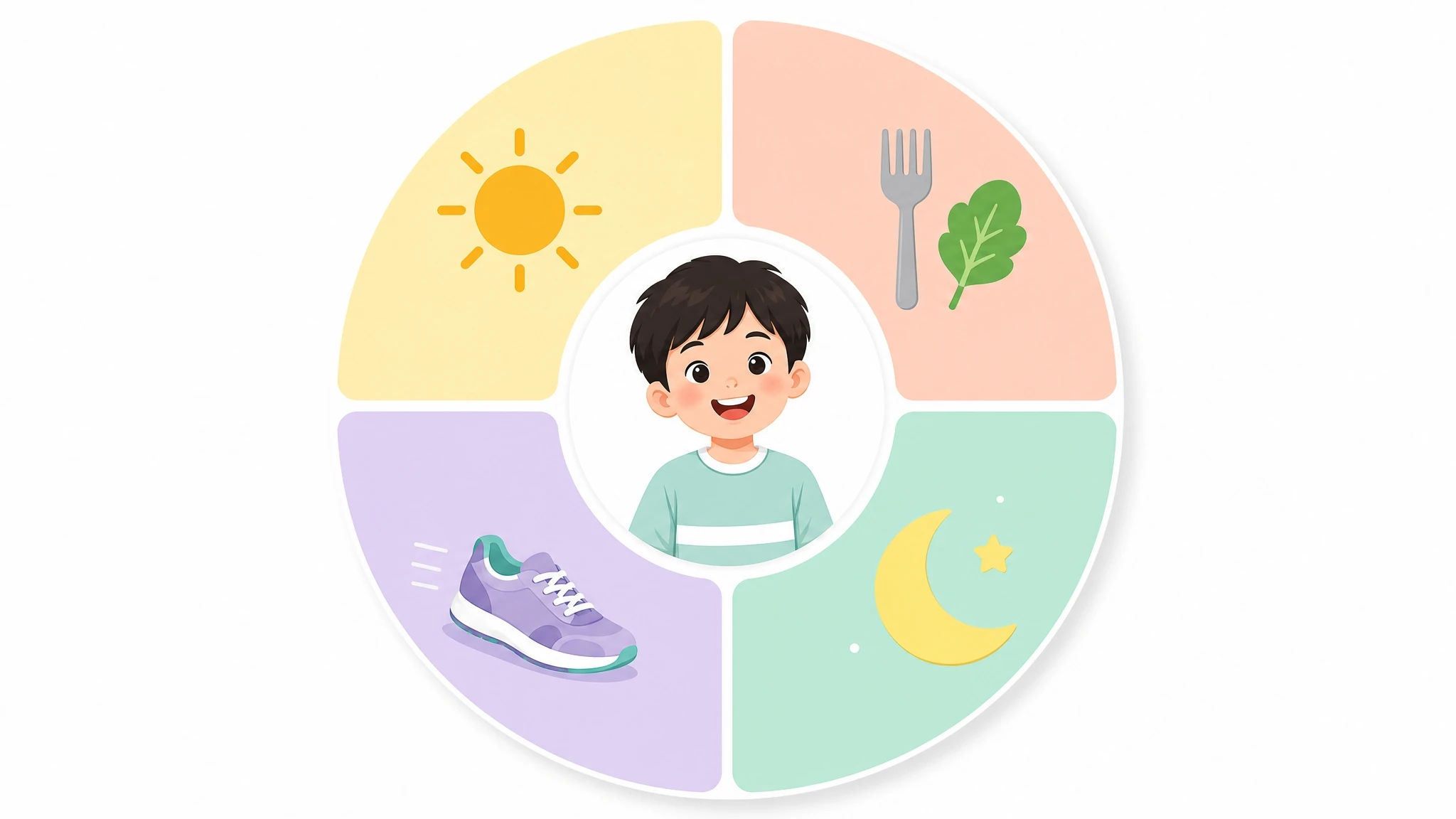
Answering how much sleep do kids need to grow taller fully means acknowledging that sleep is one pillar in an integrated system. A child who sleeps well but eats poorly, avoids physical activity, or carries chronic inflammation from untreated allergies will not reach the same growth outcome as a child whose lifestyle supports growth from multiple directions. Pediatric growth specialists evaluate sleep alongside nutritional status, bone age, physical activity patterns, and hormonal markers to understand each child's individual growth potential.
Parents concerned about their child's growth trajectory — whether due to shorter-than-expected stature, an unusually slow growth rate, or signs of early or delayed puberty — may find it helpful to consult a specialist who can assess all of these factors together and provide guidance tailored to the child's specific situation.
FAQ
Does it matter what time my child goes to sleep, or only how long they sleep?
Both timing and duration matter, but sleep quality may matter most of all. Growth hormone peaks within the first one to two hours of deep Non-REM sleep, so a consistent, early bedtime helps ensure that pulse happens during the earlier, more restorative part of the night. That said, a child who sleeps 10 hours but spends most of it in light sleep will produce less growth hormone than a child who sleeps 9 solid, deep hours. Aim for a consistent bedtime AND conditions that promote uninterrupted deep sleep.
How many hours of deep sleep does a child actually need for good growth hormone release?
There is no fixed number because deep sleep occurs in cycles across the night, typically in 60–90 minute intervals. Most children naturally achieve several slow-wave sleep cycles per night when they sleep 9–11 hours without interruption. The goal is not to count deep sleep minutes directly but to protect the conditions that allow it: a dark, cool room, no screens before bed, a regular schedule, and enough total sleep hours for the child's age.
My child sleeps 10 hours but still seems tired in the morning — could this affect their growth?
Morning grogginess despite long sleep often signals poor sleep quality rather than insufficient hours. Common causes include irregular bedtimes, screen use before sleep, a bedroom that is too warm or too bright, sleep-disordered breathing such as snoring, or elevated stress. All of these can fragment the deep sleep stages where growth hormone is released. If this pattern persists, it is worth discussing with a pediatrician, who can assess whether a sleep or growth concern warrants further evaluation.
References
- Complex relationship between growth hormone and sleep in children: insights, discrepancies, and implications. Frontiers in endocrinology. 2024. PubMed · DOI
- Overnight growth hormone secretion in short children: independence of the sleep pattern. The Journal of clinical endocrinology and metabolism. 1994. PubMed · DOI
- Growth hormone release during sleep in growth-retarded children with normal response to pharmacological tests. Archives of disease in childhood. 1978. PubMed · DOI
- Effect of growth hormone treatment on sleep EEGs in growth hormone-deficient children. Sleep. 1989. PubMed · DOI
- Morning vs. evening growth hormone injections and their impact on sleep-wake patterns and daytime alertness. Frontiers in endocrinology. 2025. PubMed · DOI