The Truth About Height Growth Supplements for Kids

Height growth supplements for kids line pharmacy shelves and flood social media feeds — but do they actually deliver on their promises? The short answer, backed by pediatric medicine, is that no commercially available supplement has been scientifically proven to push a healthy child beyond their genetically programmed height potential. That claim deserves a closer look, though, because the nuance matters enormously for parents making real spending decisions.
Most products marketed as height boosters contain a mix of calcium, vitamin D, zinc, protein blends, and proprietary herbal extracts such as colostrum or ginseng. These are genuine nutrients that the body uses — but supplying nutrients that a well-fed child already has in adequate amounts does not trigger additional growth. Think of it like adding extra fuel to a car that already has a full tank: the engine does not run faster.
A child's final height is determined roughly 70–80% by genetics and 20–30% by environmental factors including nutrition, sleep, physical activity, and stress. Supplements can address deficiencies within that environmental slice, but they cannot override the genetic ceiling.
What Nutrients Are Actually Linked to Healthy Growth?
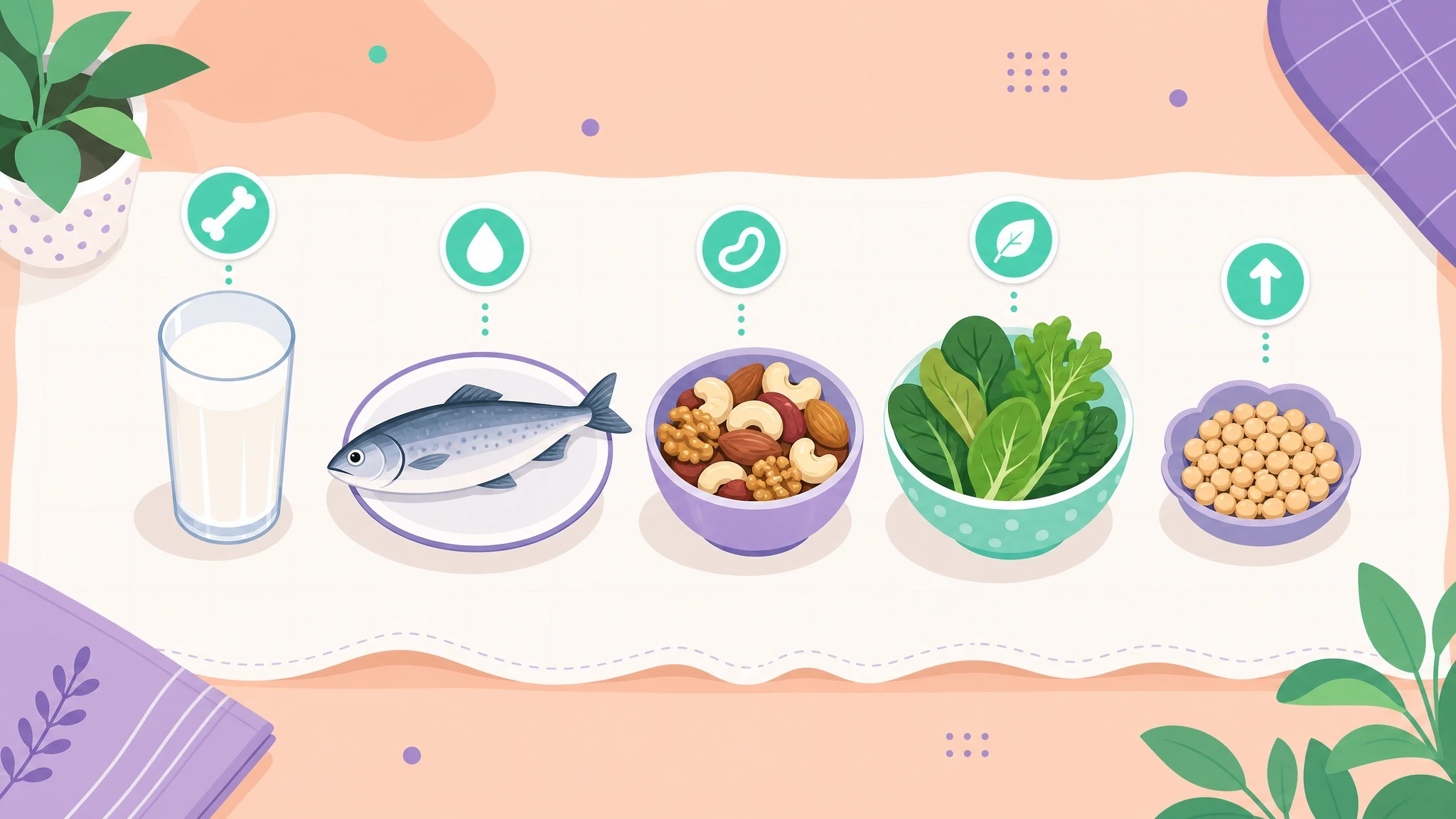
While no single supplement magically adds centimeters, certain nutrients play a documented supporting role in normal growth. A children's height vitamins review would highlight these key players:
- Protein — the structural building block for bone matrix, muscle, and every cell in the body. Meat, fish, legumes, eggs, and dairy are excellent sources. Children who chronically under-consume protein show measurable growth delay.
- Calcium — the primary mineral in bone tissue. Adequate calcium during childhood and adolescence directly supports bone density and skeletal development. Dairy products, fortified plant milks, sardines, and leafy greens supply it well.
- Vitamin D — critical for calcium absorption in the gut. Without sufficient vitamin D, even a calcium-rich diet yields poorly mineralized bones. Sunlight exposure synthesizes most of a child's daily requirement; fatty fish and fortified foods contribute the rest.
- Zinc — involved in cell division, immune function, and growth factor signaling. Found in meat, shellfish, and seeds.
- Iron — iron-deficiency anemia is one of the more common and correctable causes of poor growth and chronic fatigue in children. Red meat, spinach, and lentils are rich sources.
The key insight is that these nutrients support growth best when obtained through a varied, balanced diet — not through concentrated supplement doses on top of already adequate intake.
When Might a Supplement Actually Help?

There are genuine situations where targeted supplementation can remove a barrier to healthy growth. These are not cases where supplements boost height beyond normal — they are cases where a deficiency was quietly suppressing growth, and correcting it allows the child to reach their own potential.
A pediatric evaluation is worthwhile if your child:
- Is a severe or highly selective picky eater with documented dietary gaps
- Has a food allergy, intolerance, or gastrointestinal condition (such as celiac disease or inflammatory bowel disease) that limits nutrient absorption
- Spends very little time outdoors, raising the likelihood of vitamin D insufficiency — particularly common in children in northern latitudes or those who avoid sun exposure
- Has been diagnosed with an underlying medical condition affecting metabolism or nutrient uptake
In these specific cases, a growth specialist can order targeted blood tests, identify exactly which nutrient is lacking, and recommend a clinically appropriate dose. This is fundamentally different from buying an over-the-counter children's height vitamins product based on advertising claims. Unnecessary supplementation is not risk-free: fat-soluble vitamins such as A and D accumulate in the body and can cause toxicity if taken in excess over time.
Are Height Supplements Effective? What the Evidence Says
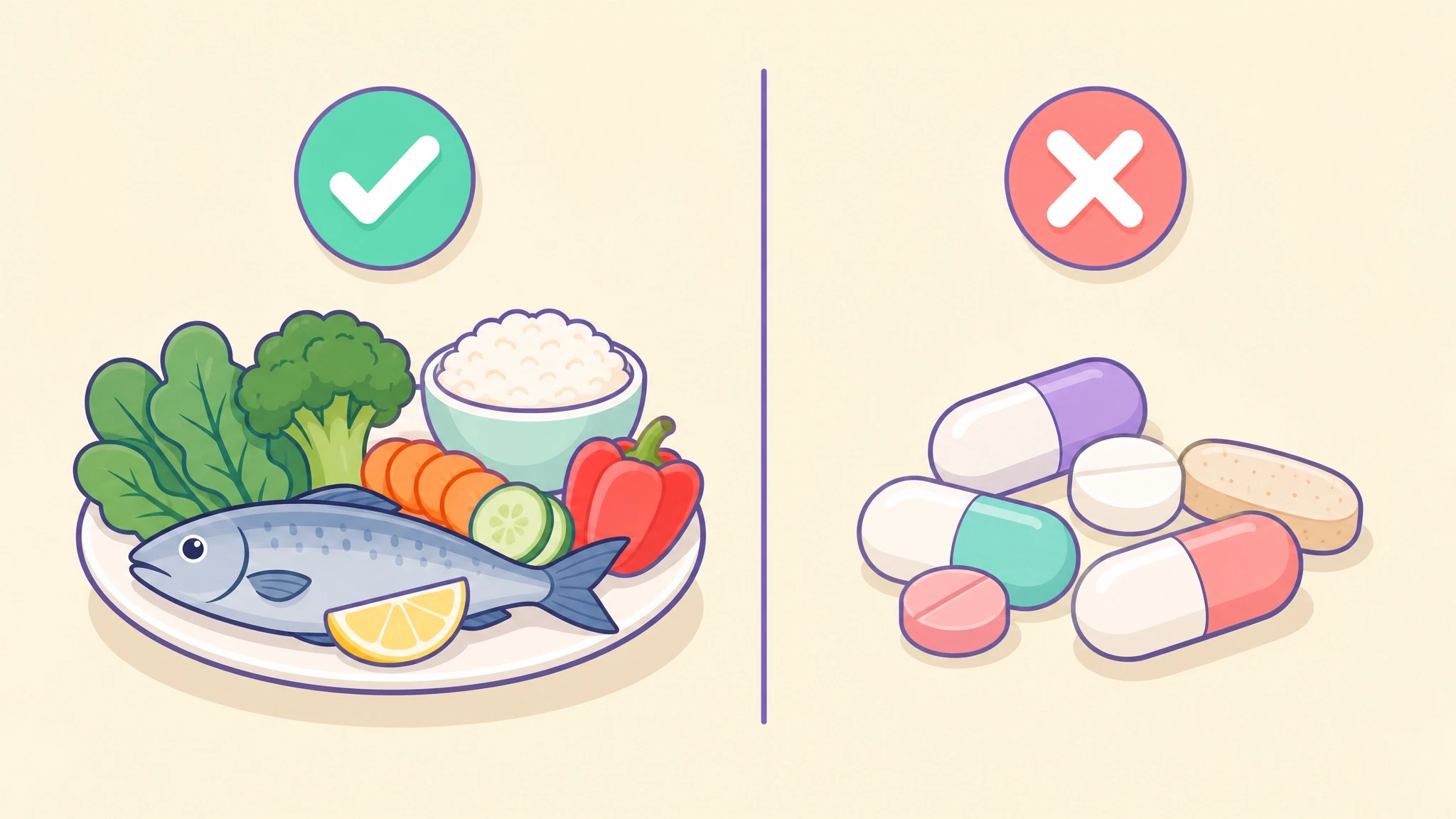
Parents researching NuBest tall alternatives or similar brands will find bold testimonials but thin clinical evidence. No peer-reviewed trial published in a major pediatric journal has demonstrated that any commercial height-growth supplement produces statistically significant height gains in normally nourished children. The regulatory situation reinforces this: in most countries, supplement manufacturers are not required to prove efficacy before selling their products — only that the product is not acutely harmful.
When researchers have studied supplementation in populations with genuine nutritional deficiencies — areas where zinc, protein, or vitamin D intake is chronically low — catch-up growth has been observed. But that finding does not translate to children in food-secure households who already meet their nutritional needs.
So are height supplements effective? For a nutritionally replete child, the evidence says no — beyond what a healthy diet already provides. The more productive question for parents is not which supplement to buy, but whether their child's foundational growth habits are solidly in place.
What Matters More Than Any Supplement Bottle

Pediatric growth specialists consistently point to the same foundational habits — not products on a shelf. If you want to give your child the best environment for reaching their genetic height potential, these five pillars matter far more than any pill or powder:
- Balanced, varied meals three times daily. Fresh vegetables, quality protein, whole grains, and calcium-rich dairy or alternatives. Minimize ultra-processed foods, sugary drinks, and fast food, which crowd out nutrient-dense options and can accelerate early puberty.
- Sufficient, quality sleep. Growth hormone is secreted most intensely during deep slow-wave sleep, typically in the first few hours after falling asleep. Children aged 6–12 need 9–11 hours; teenagers need 8–10. Consistent sleep and wake times are as important as duration.
- Regular physical activity. Weight-bearing and rhythmic exercises — jump rope, basketball, swimming, and sprinting — mechanically stimulate the growth plates and promote growth hormone secretion. Thirty minutes of moderate-intensity movement most days is the target.
- Stress management. Chronic stress elevates cortisol, which directly suppresses growth hormone release and can diminish appetite. A calm, emotionally supportive home environment is a genuine growth asset.
- Routine growth monitoring. A pediatric growth evaluation — tracking height velocity against age-appropriate charts, and where indicated assessing bone age via X-ray — is the most accurate way to detect whether a child is truly falling short of their potential and whether any intervention is warranted.
When to See a Growth Specialist

Supplements are rarely the answer, but sometimes a child's growth concerns do warrant professional evaluation. Consider consulting a specialist if your child is growing less than 4–5 cm (roughly 1.5–2 inches) per year after age 3, if they consistently fall below the 3rd percentile on a standard growth chart, or if you notice signs of early puberty (which can prematurely close growth plates and limit final height).
A qualified pediatric growth clinic can perform a bone age X-ray to assess how much growth window remains, check hormone levels if indicated, and provide a personalized assessment that no supplement label can replicate. Families seeking this level of evaluation sometimes travel internationally for specialized care — Korea, for example, has developed a strong evidence-based tradition in pediatric growth medicine.
The takeaway: before spending money on another bottle of height growth supplements for kids, invest that energy in a clinical growth check. The information you gain will be far more valuable than anything packaged in a capsule.
FAQ
Do height growth supplements for kids actually add centimeters?
No peer-reviewed clinical evidence supports the claim that commercially available height supplements make well-nourished children grow taller than their genetic potential. They may help correct a documented nutritional deficiency, but they do not produce additional height gains in children who are already meeting their nutritional needs through diet.
Are children's height vitamins safe to give long-term?
Fat-soluble vitamins such as A and D accumulate in body fat and can reach toxic levels with prolonged high-dose supplementation. Water-soluble vitamins are generally safer in excess but still carry risks at very high doses. Any supplementation beyond a standard multivitamin should be guided by a pediatrician who has assessed what, if anything, is actually deficient.
What should I look for in NuBest tall alternatives or similar products?
Rather than comparing brands, look for published clinical trial data showing height gains in healthy, normally nourished children — you are unlikely to find convincing evidence. A more productive step is to consult a pediatric growth specialist who can order blood tests and identify whether your child actually has a nutritional gap before any supplement is considered.
References
- Variation in methods of predicting adult height for children with idiopathic short stature. Pediatrics. 2010. PubMed · DOI
- Association between noncow milk beverage consumption and childhood height. The American journal of clinical nutrition. 2017. PubMed · DOI
- Final height of short normal children treated with growth hormone. Lancet (London, England). 1996. PubMed · DOI
- Effects of Dairy Product Consumption on Height and Bone Mineral Content in Children: A Systematic Review of Controlled Trials. Advances in nutrition (Bethesda, Md.). 2020. PubMed · DOI
- Recombinant growth hormone for idiopathic short stature in children and adolescents. The Cochrane database of systematic reviews. 2007. PubMed · DOI