The Hidden Threat to Your Child's Height

Heavy metals affect child growth in ways that most parents never expect. When families think about what determines a child's height, they usually consider genetics, nutrition, sleep, and exercise. Rarely does anyone think about the invisible toxins that may already be present in their home, food, or water supply. Yet research increasingly shows that lead, mercury, and cadmium — three of the most common environmental heavy metals — can significantly interfere with the biological processes that drive childhood height gain.
Children are not simply small adults when it comes to toxic exposure. Pound for pound, they absorb heavy metals at a higher rate than adults do, and their still-developing detoxification systems are far less efficient at clearing them. A level of exposure that causes minimal harm in a grown adult can have measurable consequences on a growing child. Understanding where these metals come from and how they work is the first step toward protecting your child's growth potential.
Lead Exposure and Stunted Growth: How It Happens
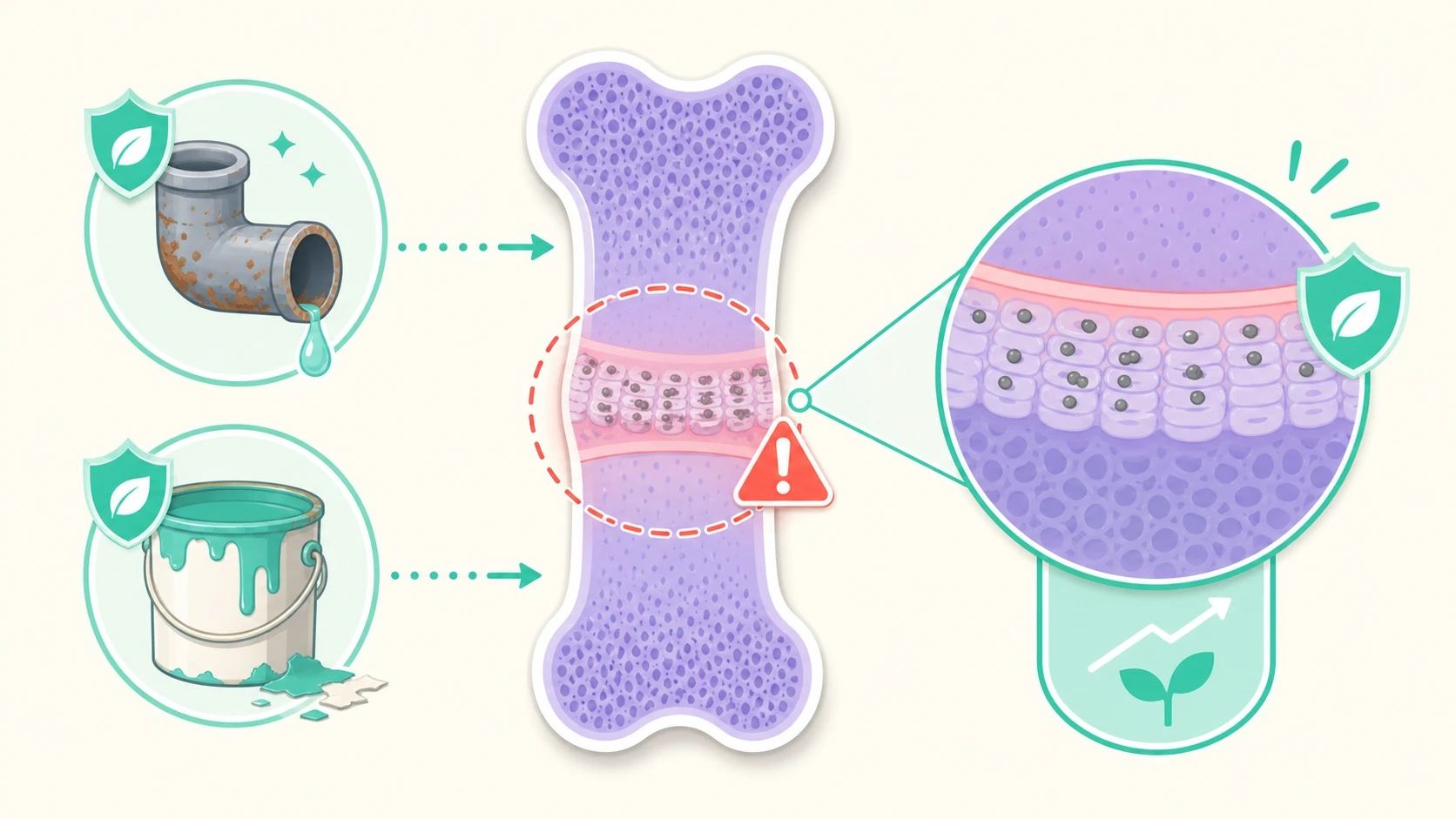
Lead exposure stunted growth long before scientists understood the mechanism — now the biology is clear. Once lead enters the body, it mimics calcium and accumulates preferentially in bones and teeth. At the growth plate — the band of cartilage near each bone's end that is responsible for lengthening — lead disrupts the normal cycle of cartilage-cell production and replacement. The result is slower skeletal development that shows up as reduced height gain over months and years.
Lead also interferes with two hormonal systems critical for growth. First, it suppresses growth hormone secretion from the pituitary gland. Second, it alters thyroid hormone levels; since thyroid hormone coordinates the pace of skeletal maturation, even modest disruption can produce measurable growth delays. Common sources of lead exposure include paint in homes built before 1978, contaminated soil near old industrial sites, some imported toys and jewelry, and aging plumbing that leaches lead into tap water. Children who mouth objects or play in contaminated soil face the highest risk.
Mercury and Child Development Height: The Hormonal Link
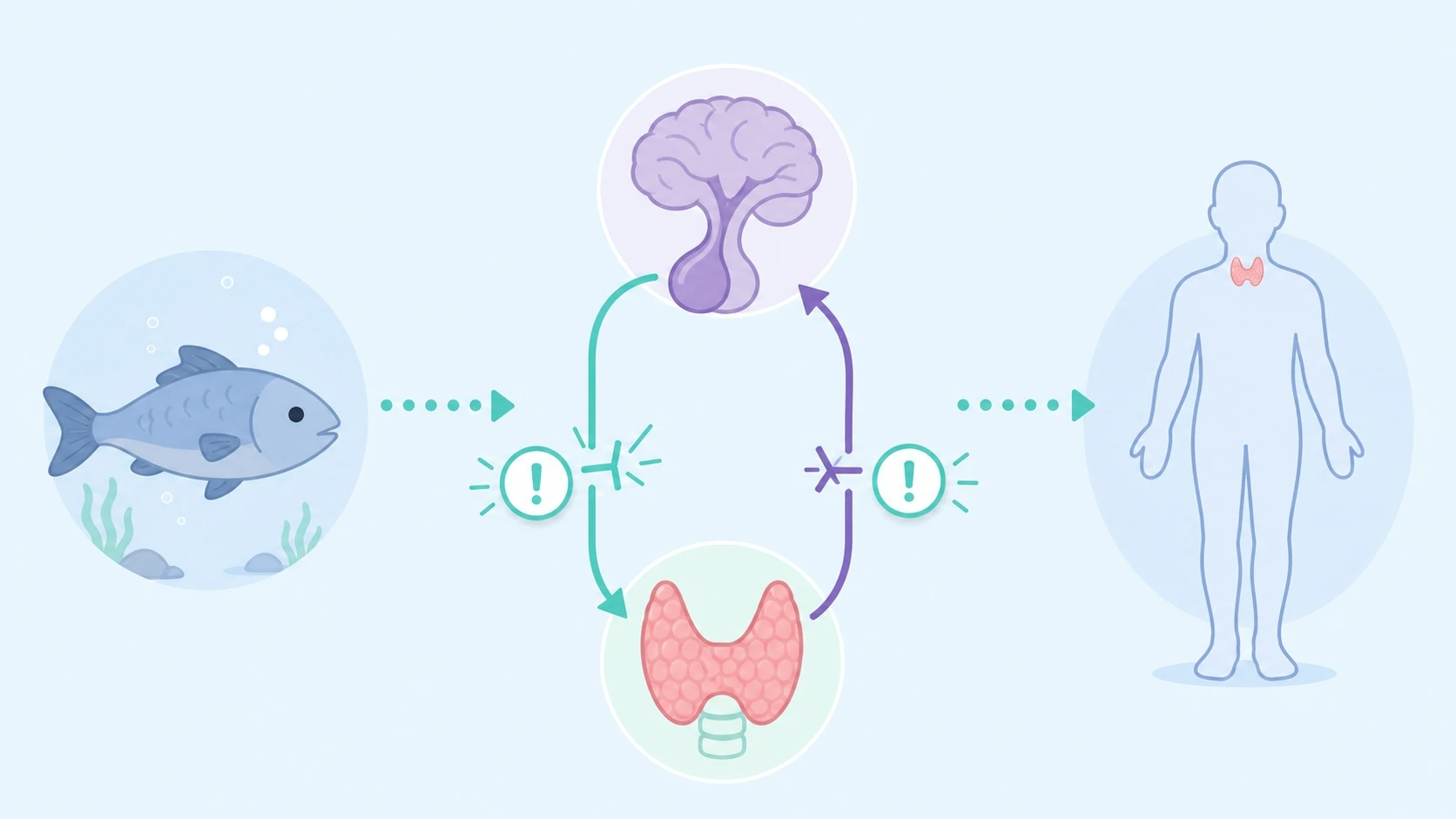
Mercury and child development height are connected primarily through the endocrine system. Most dietary mercury exposure comes in the form of methylmercury, which accumulates in large predatory fish — tuna, swordfish, king mackerel, and shark — and biomagnifies as you move up the food chain. When a child consumes these fish regularly, methylmercury builds up in tissues and begins to interfere with hormone signaling.
Mercury's main target in the growth pathway is the thyroid gland. Research has shown that methylmercury can directly reduce thyroid hormone output and impair the thyroid's ability to respond to regulatory signals from the brain. Because thyroid hormone is essential for stimulating growth plate activity and maintaining the pace of skeletal maturation, children with mercury-associated thyroid suppression may experience a noticeable slowdown in height gain. Mercury also damages the central nervous system, which can affect cognition and behavior — adding another layer of developmental risk beyond height alone. Limiting large predatory fish intake, especially during peak growth years, is one of the most direct dietary actions parents can take.
Cadmium: The Bone-Weakening Metal
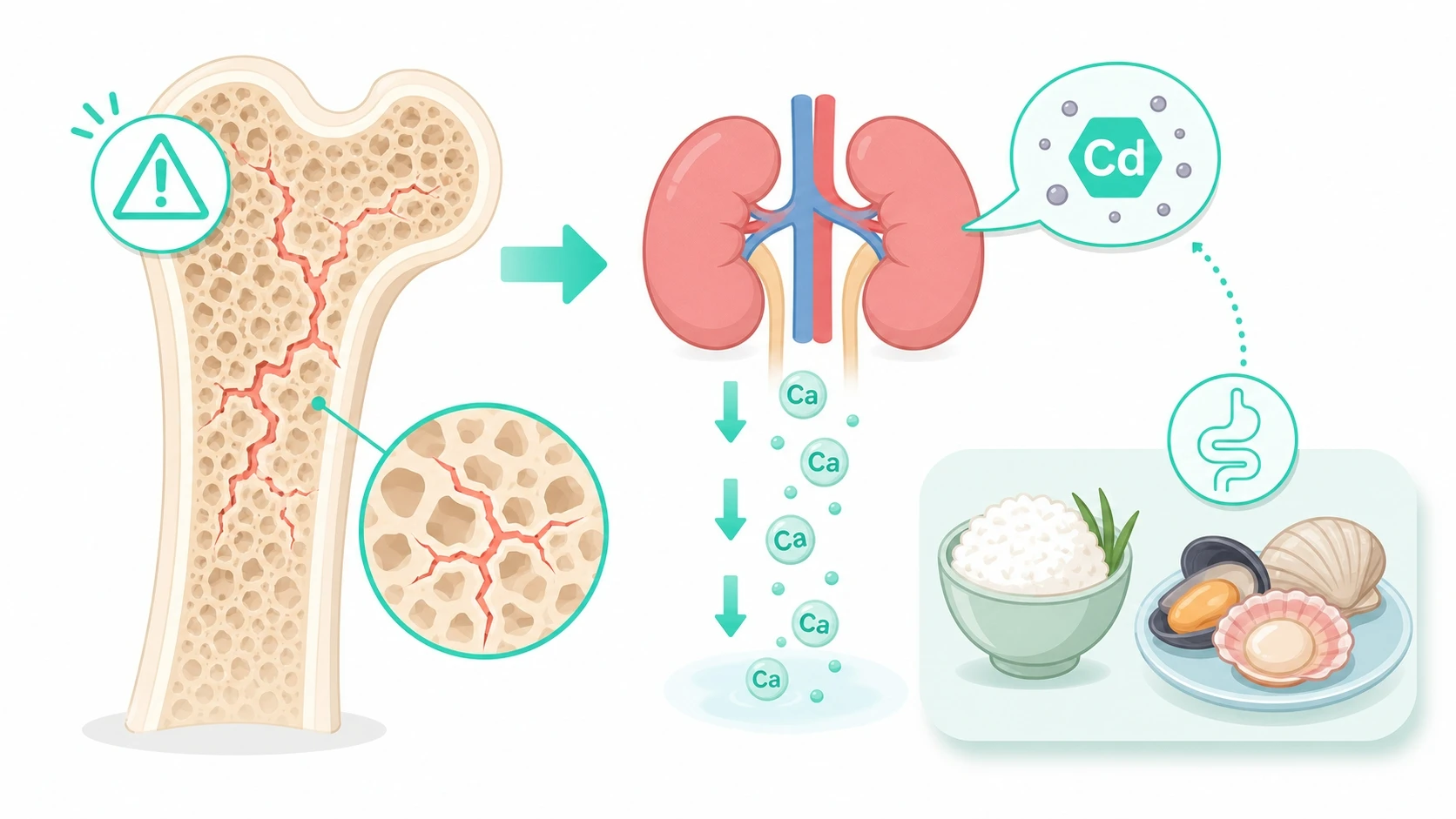
Among the three metals discussed here, cadmium is the one most directly tied to bone mineral loss — which makes heavy metal toxicity in children especially concerning during the years when skeletal density should be building rapidly. Cadmium reaches the body primarily through food grown in contaminated soil (rice and leafy vegetables are common carriers), through shellfish, and through secondhand smoke exposure. Once absorbed, cadmium accumulates in the kidneys, where it disrupts the normal reabsorption of calcium and phosphorus. Instead of being retained for bone building, these minerals are excreted in the urine.
The consequence is lower bone mineral density and a weaker skeletal framework that is less capable of supporting robust growth. Cadmium also suppresses the action of growth hormone and IGF-1 (insulin-like growth factor-1), the hormonal duo that coordinates the rapid height increases of childhood and puberty. Because cadmium's biological half-life in the kidneys is measured in decades, even modest childhood accumulation can exert long-term effects on the skeleton — making early prevention considerably more valuable than late intervention.
Practical Steps to Reduce Heavy Metal Exposure at Home

Fortunately, several evidence-informed strategies can meaningfully lower a child's exposure to all three metals. On the dietary side, a balanced plate that includes plenty of calcium-rich foods, iron, zinc, and selenium is protective: these minerals compete with lead, mercury, and cadmium for the same absorption pathways, effectively crowding them out. Limit large predatory fish to once a week or less for school-age children, and choose smaller species such as sardines, salmon, or tilapia more often.
At home, regular cleaning and ventilation reduce the accumulation of dust particles that can carry lead. If your home was built before 1978, have the paint professionally tested; deteriorating lead-based paint is one of the most significant sources of childhood lead exposure in older housing. Choose toys and tableware that carry recognized safety certifications, and run tap water for thirty seconds before using it for drinking or cooking if you have older plumbing. Washing hands before meals — a simple habit — removes surface contaminants before they can enter the mouth.
When to Seek Professional Guidance

If your child's height has been consistently falling further behind peers over six to twelve months without an obvious explanation — illness, poor nutrition, or a known medical condition — environmental factors including heavy metal toxicity in children are worth considering alongside other causes. A pediatric growth specialist can order blood or urine testing for lead, mercury, and cadmium, interpret the results in the context of your child's growth chart and bone age, and advise on next steps if levels are elevated.
Growth clinics that specialize in childhood height evaluation typically offer comprehensive assessments: bone age analysis using wrist X-rays, growth hormone workups, thyroid function panels, and a detailed review of lifestyle and environmental factors. This kind of integrated evaluation allows clinicians to distinguish between children whose growth is lagging simply because of timing and those facing a more specific, addressable obstacle. Early identification — before growth plates close — gives families the widest range of options for supporting a child's height potential.
FAQ
Can lead exposure cause permanent stunted growth in children?
Chronic lead exposure during critical growth windows can cause measurable reductions in final adult height, primarily by disrupting growth plate cell function and suppressing growth hormone secretion. Whether the effect is fully reversible depends on the duration and level of exposure and on how early the source is removed. Reducing exposure as early as possible — and supporting adequate calcium and iron intake — gives growing children the best chance of reaching their genetic height potential.
How much large fish is safe for a growing child to eat each week?
Major health agencies, including the US FDA and EPA, generally recommend that children limit high-mercury species such as tuna, swordfish, and king mackerel to no more than one serving per week, with smaller servings for younger children. Lower-mercury options — salmon, sardines, tilapia, shrimp — can be eaten more frequently and still provide the omega-3 fatty acids and protein that support healthy development.
At what age should I be most concerned about heavy metal effects on my child's height?
All childhood growth years matter, but the periods of most rapid height gain — infancy, the early school years (ages 5–8), and the pubertal growth spurt — carry the highest risk for heavy metal disruption because biological systems are most actively supporting skeletal growth during these windows. Early puberty is also a time when growth plates are still open and responsive, making environmental influences particularly impactful on final height outcomes.