Why Heavy Metals Are a Hidden Threat to Your Child's Height
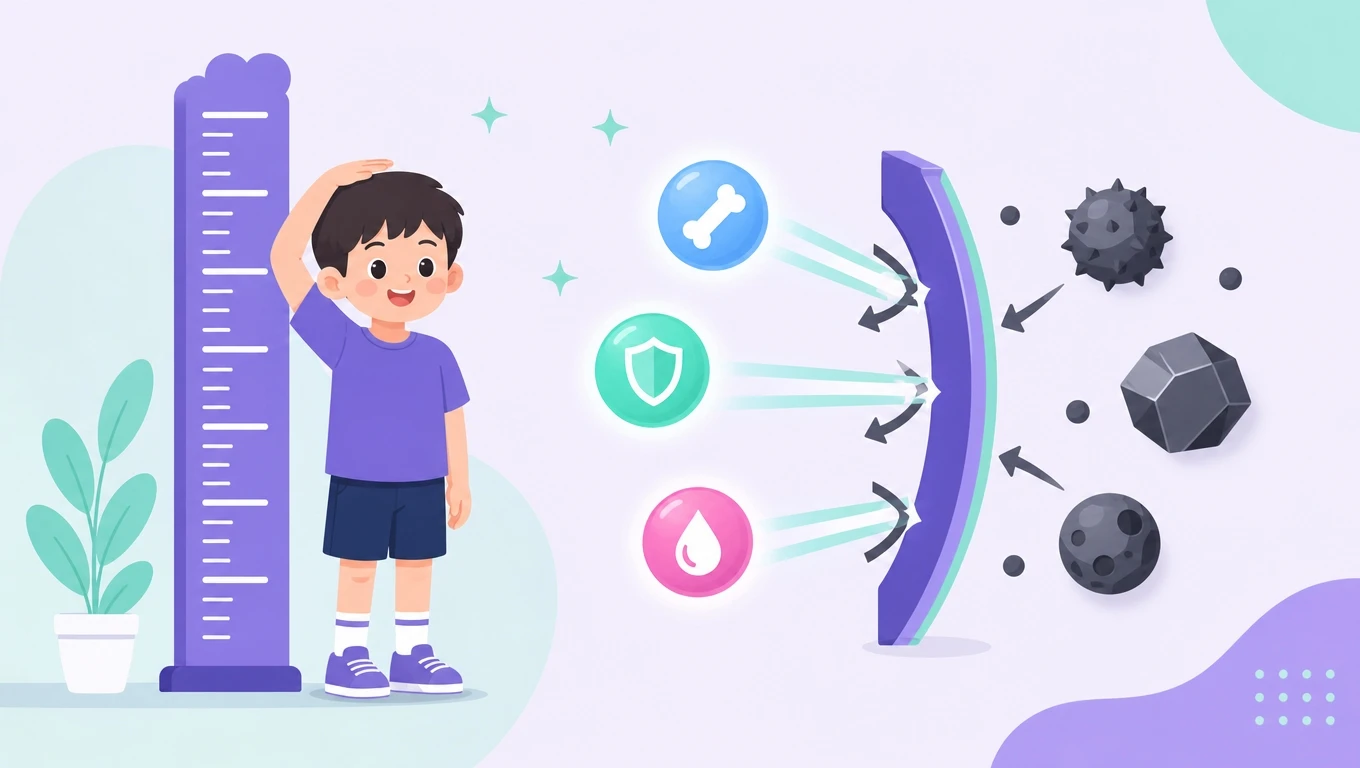
A heavy metal detox diet for children might sound dramatic, but the science is straightforward: metals like lead, cadmium, mercury, and arsenic accumulate quietly in the body through contaminated food and water, and growing children are far more vulnerable than adults. Their organs are still maturing, their gut absorbs minerals at a higher rate, and their bodies have less capacity to neutralize toxic compounds.
Once inside the body, heavy metals do not simply sit harmlessly — they actively compete with the minerals children need most. Lead displaces calcium in bone tissue. Cadmium blocks zinc uptake. Mercury can disrupt the signaling pathways that trigger growth hormone release. These are not rare or theoretical risks; they are well-documented mechanisms that can quietly shave centimeters off a child's final adult height if left unaddressed.
The encouraging news is that diet is one of the most practical tools parents have. Specific foods help bind and flush heavy metals, while smart ingredient choices significantly limit new exposure. Understanding both sides of that equation is the foundation of a protective approach.
Seaweed and Dark Leafy Greens: Nature's Chelators
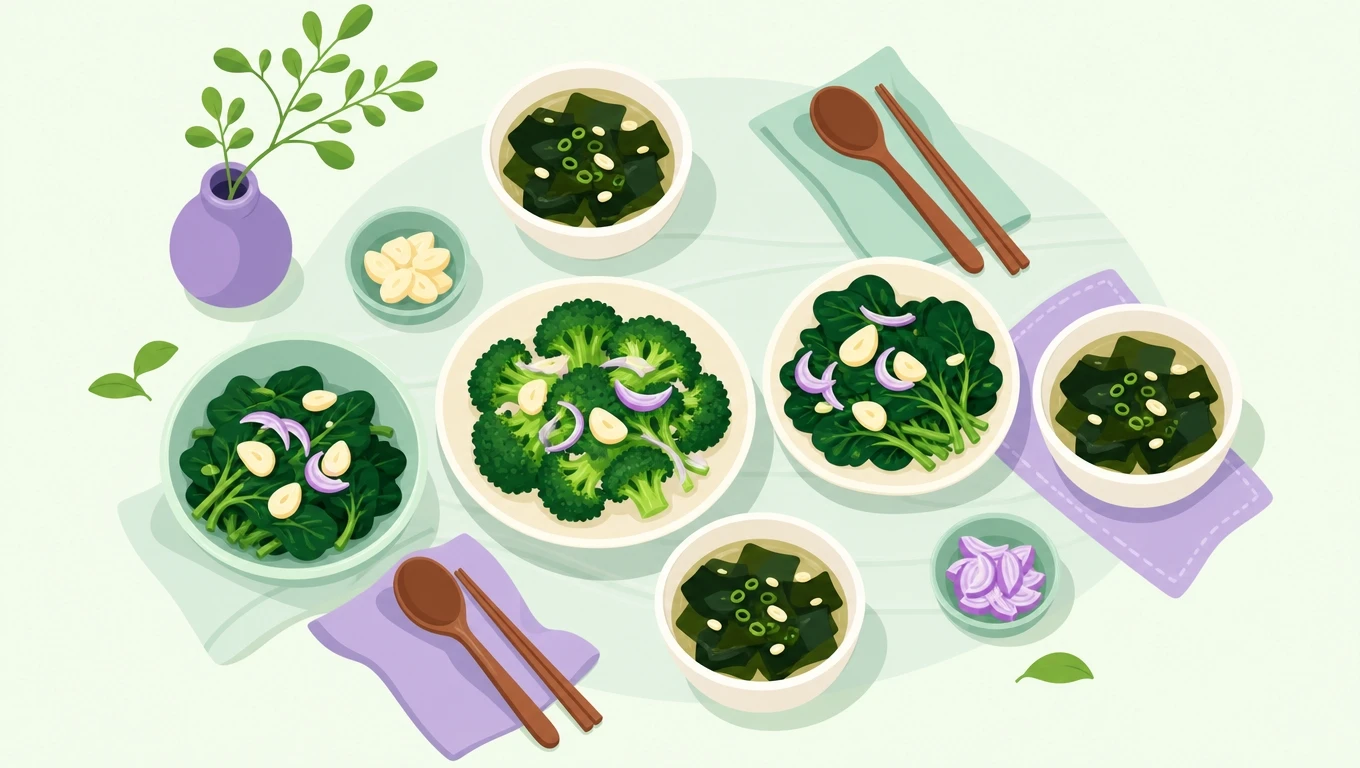
Among the most clinically compelling foods to include in a heavy metal detox diet for children are seaweed and dark leafy greens. Seaweed — wakame, kombu, nori — is rich in alginate, a polysaccharide that binds to heavy metal ions in the gastrointestinal tract and carries them out before they can be absorbed. Alginate has been studied specifically for its ability to reduce lead and cadmium uptake, making seaweed a genuinely functional food rather than just a trendy superfood.
Dark leafy vegetables such as spinach, kale, and broccoli contribute chlorophyll, which supports the liver's detoxification pathways. Broccoli, onions, and garlic also supply sulfur compounds — organosulfides — that further boost the liver's phase II detox enzymes, helping the body package and excrete heavy metals more efficiently.
A practical goal: aim for seaweed in two to three meals per week (miso soup, rice rolls, or a simple side salad) and include at least one serving of dark greens daily. Small, consistent habits matter far more than occasional large doses.
Vitamins and Minerals That Neutralize Heavy Metal Damage
A second pillar of the approach involves nutrients that either compete with heavy metals for absorption or help neutralize their toxicity once inside the body. To reduce lead exposure through a child's diet, adequate calcium and iron are essential — both minerals occupy the same intestinal transporters as lead, so a well-nourished child absorbs significantly less lead from the same amount of exposure.
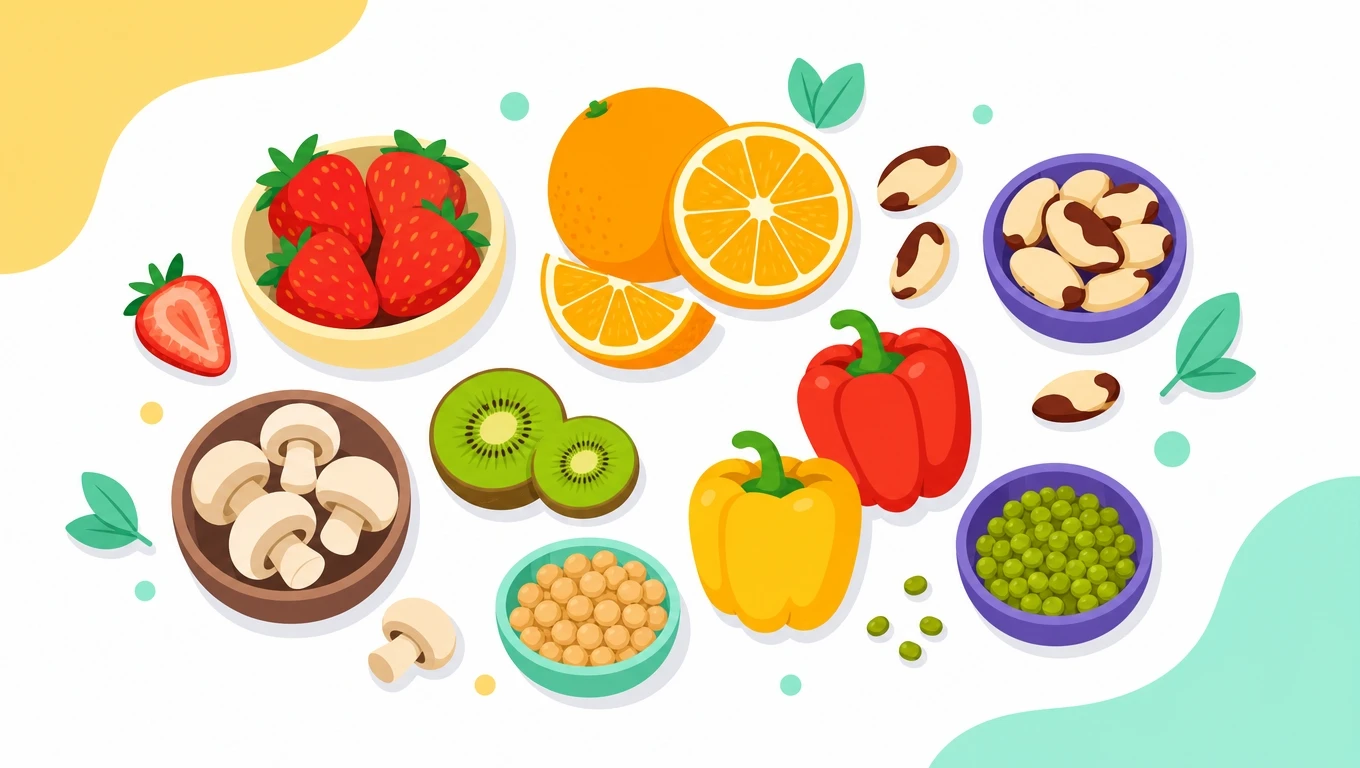
Vitamin C is a powerful antioxidant that reduces oxidative damage caused by heavy metals and supports the conversion of toxic forms into more easily excreted compounds. Citrus fruits, kiwi, strawberries, and bell peppers are excellent daily sources.
Selenium, found in Brazil nuts, mushrooms, and whole grains, binds to mercury and reduces its bioavailability — a mechanism particularly relevant to children who eat fish regularly. Zinc, which heavy metals tend to deplete, is important for immune function, growth hormone signaling, and bone development. Lean meats, legumes, and shellfish (chosen carefully — see below) help maintain adequate zinc status.
These nutrients do double duty: they protect against heavy metal damage while also directly supporting the growth pathways parents care most about.
Mercury-Safe Fish Choices for Kids
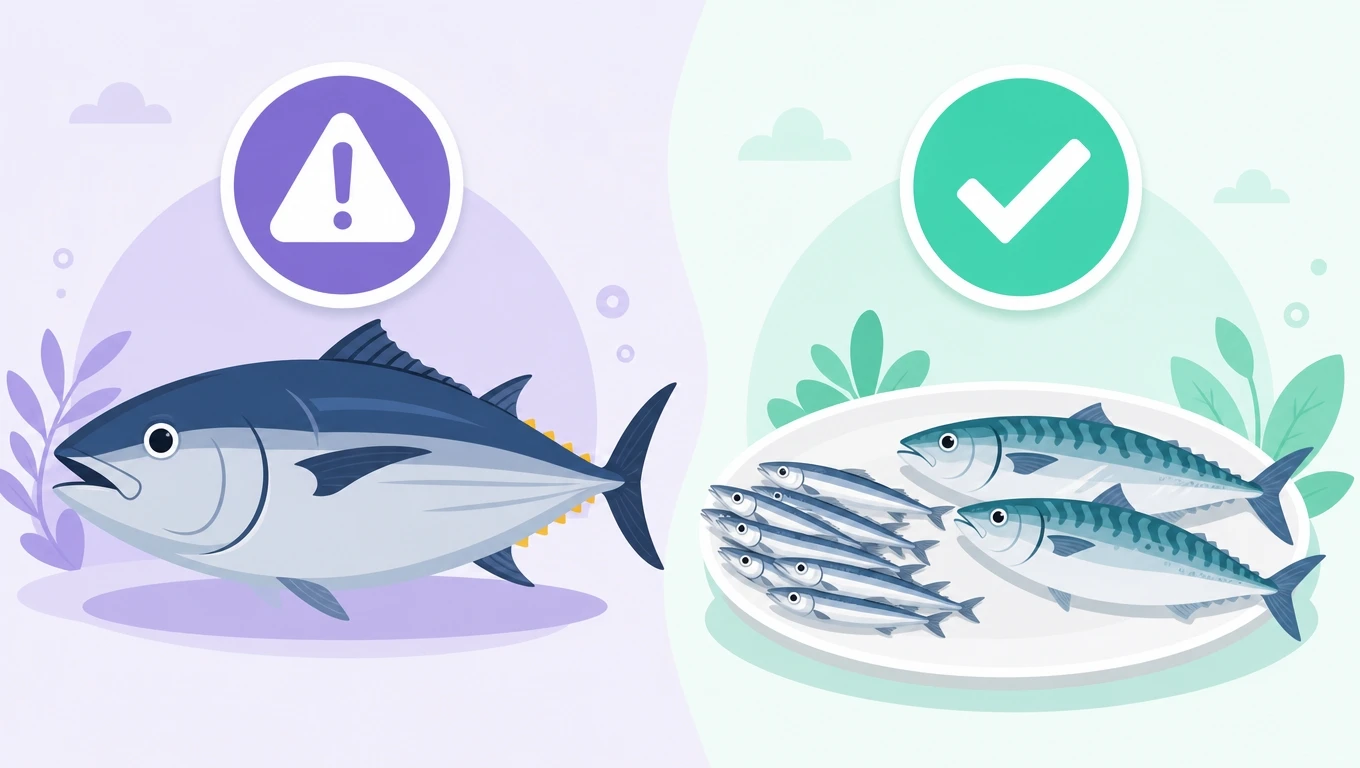
Fish is one of the most nutritious foods a child can eat — rich in protein, omega-3 fatty acids, zinc, and iodine. The challenge is that large, long-lived predatory fish accumulate mercury through a process called biomagnification. This makes choosing mercury-safe foods for children an important practical skill for parents.
The general rule is simple: smaller fish live shorter lives and accumulate far less mercury. Anchovies, sardines, mackerel (Atlantic, not king), salmon, and herring are excellent choices with low mercury levels and high nutritional value. Tuna — particularly canned albacore and fresh bluefin — should be limited to one or two servings per week for children. Swordfish, shark, king mackerel, and tilefish should be avoided entirely for young children.
Canned light tuna (skipjack) is generally considered safer than white albacore tuna and can be included in moderation. When preparing fish at home, poaching or steaming retains nutrients better than frying, which can introduce additional toxins from degraded cooking oils.
Alongside smart fish choices, adequate water intake is often overlooked. Proper hydration supports kidney function, which is one of the primary routes through which the body excretes heavy metals and other waste products.
Safer Kitchenware and Reducing Processed Food Exposure

Dietary choices extend beyond the food itself to the containers and cookware involved. Plastics — particularly when heated — can leach phthalates and bisphenol compounds that act as endocrine disruptors, compounding the hormonal disruption caused by heavy metals. Switching to stainless steel, glass, or ceramic containers for food storage and reheating is a straightforward upgrade most families can make gradually.
Processed and canned foods present a related concern. Older canned goods occasionally used lead solder in seams, and some food colorings, preservatives, and packaging materials carry trace contamination. While regulatory standards in most countries have improved, minimizing highly processed foods benefits children's health across multiple dimensions simultaneously — heavy metal exposure, added sugar, artificial additives, and low nutritional density.
To avoid heavy metal exposure in kids, parents should also consider the source of their produce. Organic certification significantly reduces pesticide exposure, and choosing locally grown seasonal produce generally means shorter time between harvest and table, preserving both nutrients and safety. When buying conventional produce, thorough washing and peeling where appropriate reduces surface contamination.
Putting It All Together: A Practical Approach for Busy Families

Building a heavy metal detox diet for children does not require a complete kitchen overhaul. The most effective approach is incremental and sustainable. Start by adding seaweed to two meals per week and increasing dark leafy greens to daily servings. Prioritize small fish over large predatory species. Introduce Brazil nuts as an occasional snack for selenium. Swap plastic containers for glass or stainless gradually. Replace canned and processed staples with whole-food alternatives where feasible.
Beyond diet, pediatric growth specialists emphasize that no single intervention works in isolation. Adequate sleep is when growth hormone secretion peaks. Regular physical activity stimulates growth plate activity. Chronic stress elevates cortisol, which suppresses growth hormone. A protective diet addresses one important variable in a multifactorial system.
If your child is showing signs of slower-than-expected growth — falling behind on growth charts, fatigue, recurring infections, or delayed bone age confirmed by X-ray — consulting a pediatric growth specialist can help identify whether heavy metal burden or other factors are contributing. Comprehensive evaluation, including possible hair or blood mineral analysis, offers a much clearer picture than diet alone can provide.
FAQ
Which foods are most effective at removing heavy metals from a child's body?
Seaweed (wakame, nori, kombu) is among the most evidence-backed options because it contains alginate, which binds to lead and cadmium in the gut and prevents absorption. Dark leafy greens like spinach, kale, and broccoli support liver detoxification through chlorophyll and sulfur compounds. Vitamin C-rich fruits (kiwi, strawberries, citrus) help neutralize oxidative damage caused by heavy metals. Selenium from Brazil nuts and whole grains specifically helps counter mercury toxicity.
How much fish is safe for children to eat each week given mercury concerns?
Most pediatric nutrition guidelines recommend two to three servings of low-mercury fish per week for children. Safe choices include salmon, sardines, anchovies, herring, and canned light (skipjack) tuna. Canned albacore tuna should be limited to one serving per week. Swordfish, shark, king mackerel, and tilefish should be avoided entirely for young children because of their high mercury content from biomagnification.
Can heavy metal exposure actually affect how tall my child grows?
Research suggests it can. Heavy metals like lead and cadmium block the absorption of calcium and zinc — two minerals essential for bone growth and growth hormone function. Mercury can interfere with hormonal signaling. Children are more vulnerable than adults because their intestines absorb minerals (and competing heavy metals) at a higher rate. Chronic low-level exposure during key growth windows may contribute to reduced growth velocity, though individual outcomes depend on the level and duration of exposure alongside overall nutritional status.
References
- Association between noncow milk beverage consumption and childhood height. The American journal of clinical nutrition. 2017. PubMed · DOI
- Inadequate linear catch-up growth in children born small for gestational age: Influencing factors and underlying mechanisms. Reviews in endocrine & metabolic disorders. 2024. PubMed · DOI