The 10 PM Rule — Fact or Fiction?
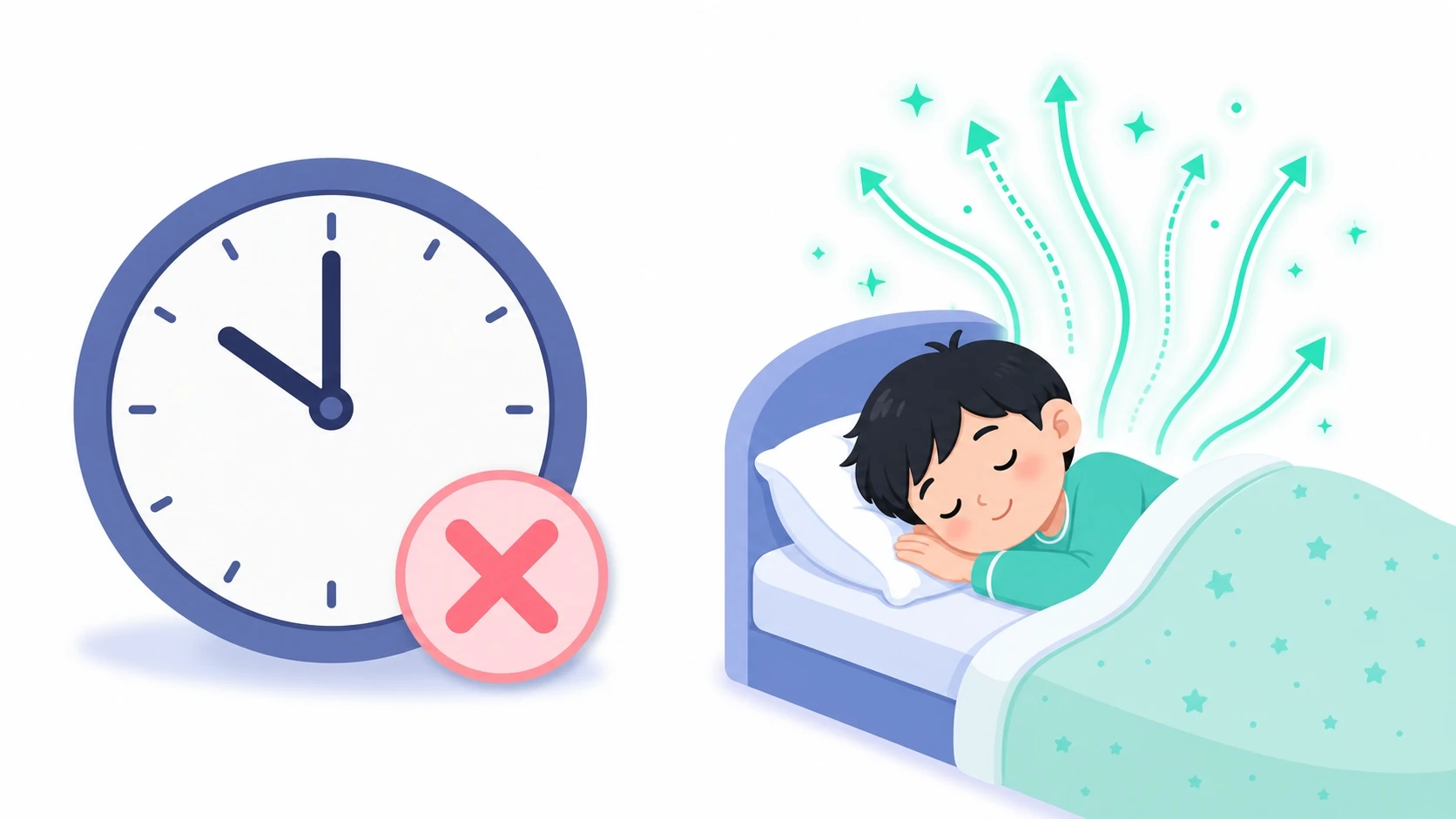
If you are a parent concerned about your child's height, you have almost certainly heard the advice: "Make sure your child is asleep by 10 PM, because growth hormone release during sleep peaks between 10 PM and 2 AM." It sounds authoritative. It shapes bedtime routines in households across Asia. But here is the inconvenient truth — this specific time window is not supported by the current medical evidence. The real story of how children sleep and grow is both more nuanced and, ultimately, more reassuring for parents to understand.
Why Growth Hormone Matters So Much for Children
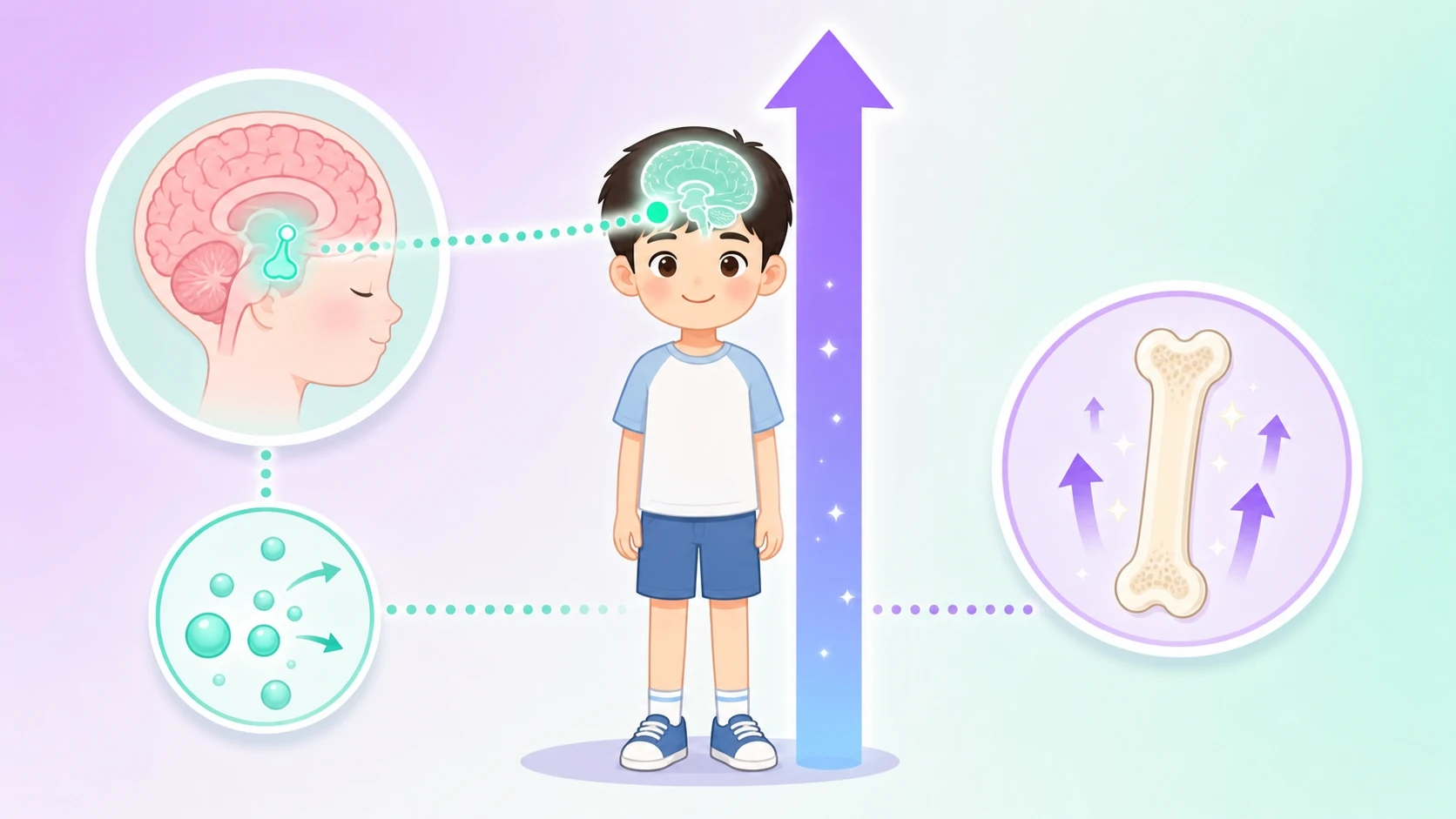
Growth hormone (GH) is a powerful signaling molecule secreted by the pituitary gland — a pea-sized structure at the base of the brain. In growing children, GH plays an irreplaceable role: it stimulates bone elongation at the growth plates, promotes lean muscle development, breaks down stored fat for energy, and drives protein synthesis throughout the body. The total amount and timing of GH secretion across a child's developmental years is one of the key biological factors that shapes final adult height. Understanding children sleep growth hormone dynamics is therefore not just academic — it has real, practical implications for how parents structure their child's daily routine.
When Is Growth Hormone Actually Released at Night?
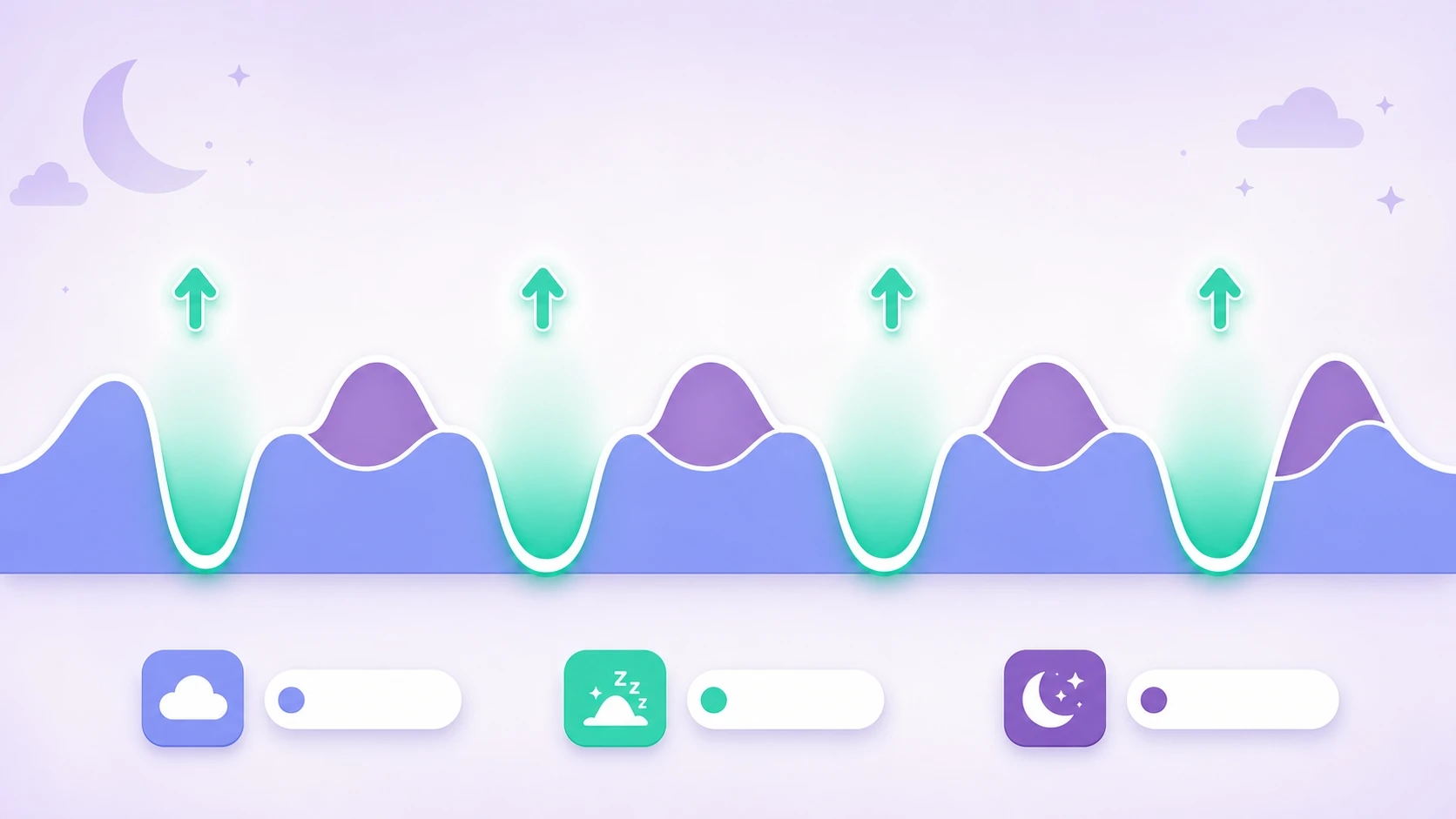
Here is what the science says about when is growth hormone released at night: GH secretion is governed not by the clock on your wall but by sleep architecture — specifically by slow-wave sleep (SWS), also called deep sleep or Stage 3 NREM sleep. Slow-wave sleep typically begins roughly 60 to 90 minutes after a person falls asleep and recurs in cycles throughout the night. The deepest, most GH-rich episodes of SWS are concentrated in the first three to four hours of sleep, regardless of what time the lights went out. A child who falls asleep at 10:00 PM and a child who falls asleep at 11:00 PM will both generate robust GH pulses — provided each child achieves sufficient deep sleep quality.
Deep Sleep and Height Growth: Quality Over Clock Time
The connection between deep sleep and height growth cannot be overstated. Research consistently shows that children who experience fragmented, shallow sleep — even if they are in bed by 9:30 PM — produce significantly less GH than children who achieve consolidated, high-quality deep sleep. The implication for parents is important: obsessing over a specific bedtime can cause unnecessary stress while missing the bigger picture. A child who goes to bed slightly later but sleeps soundly through the night may be getting more growth-promoting GH secretion than a child forced into bed at an "ideal" hour but who tosses, turns, and wakes repeatedly. Sleep depth is the variable that counts most.
Practical Steps to Deepen Your Child's Sleep
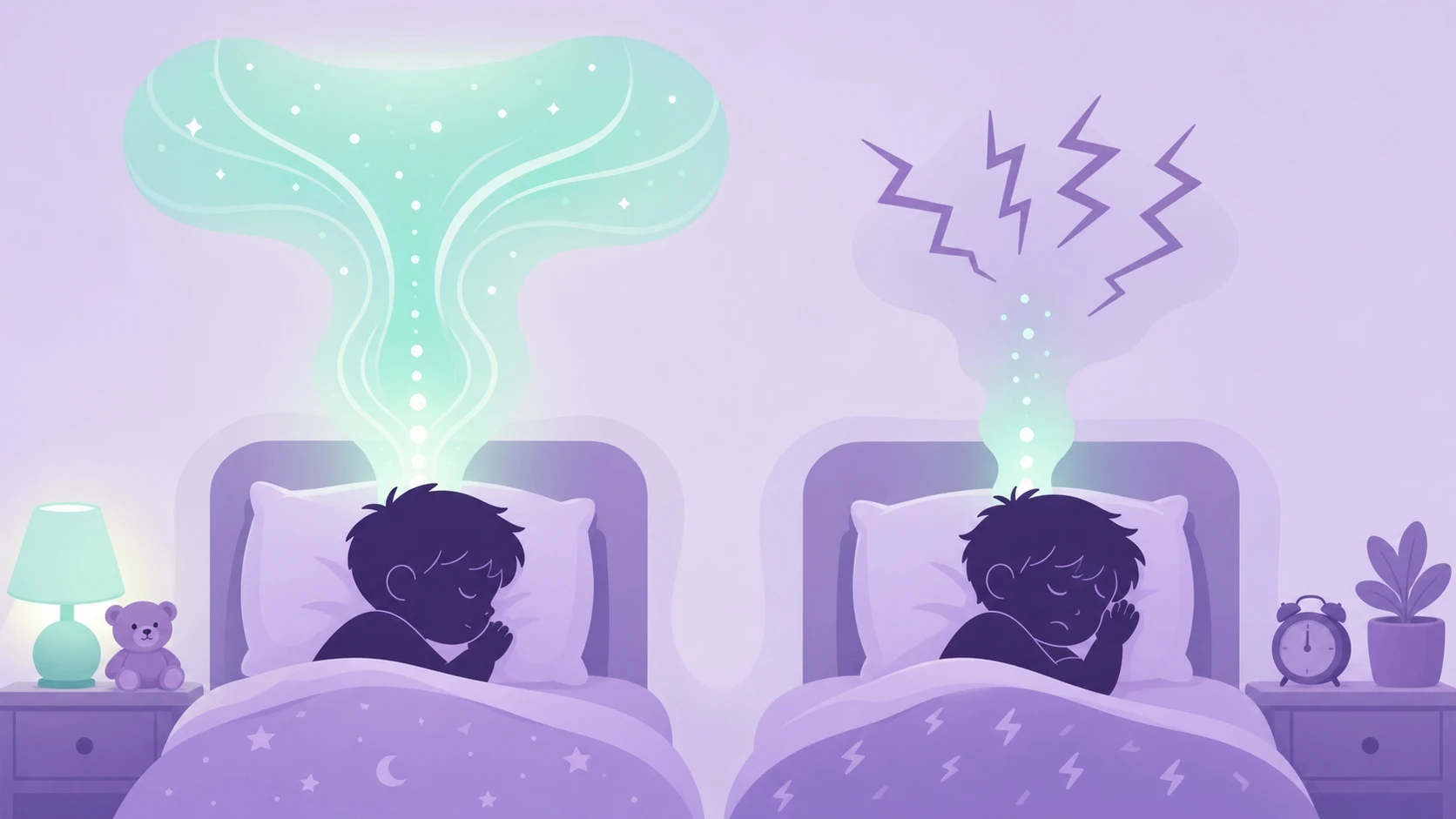
Knowing that children sleep growth hormone output depends on sleep depth, parents can focus on evidence-based strategies rather than arbitrary bedtime targets.
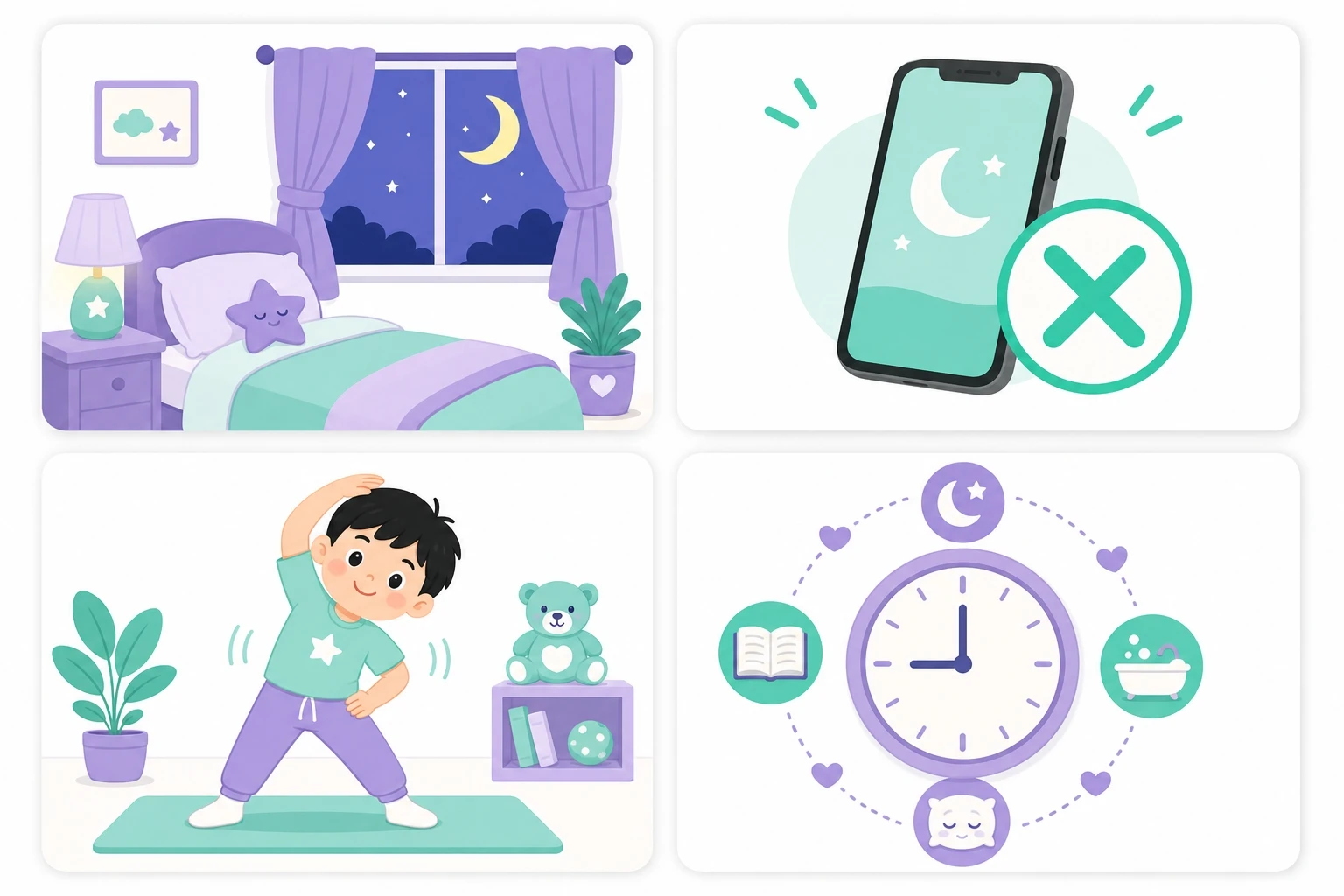
- Consistent schedule: Keep wake and sleep times stable seven days a week. The body's circadian rhythm thrives on predictability; a weekend "sleep-in" of more than an hour disrupts this rhythm and compromises deep sleep architecture during the following week.
- Screen-free wind-down: Blue-spectrum light from phones and tablets suppresses melatonin production — the hormone that initiates the transition into deep sleep. Establish a no-screen window of at least 60 minutes before bed.
- Cool, dark, quiet room: Sleep scientists consistently find that a slightly cool room (around 18–20°C / 65–68°F), blackout curtains, and minimal noise reduce nighttime arousals and extend slow-wave sleep.
- Calming pre-sleep ritual: A warm bath, light stretching, or a short read-aloud session signals the nervous system to downshift from alertness to rest.
- Daytime physical activity: Children who move vigorously during the day show deeper, more restorative sleep cycles at night. Avoid intense exercise within 90 minutes of bedtime, as it can delay sleep onset.
When to Seek a Professional Evaluation

Optimizing sleep quality is one of the most powerful free tools available to support a child's growth, but sleep alone does not tell the whole story. If your child is sleeping well yet appears to be growing significantly below their expected height trajectory — less than about 4 cm (roughly 1.5 inches) per year after age three — or if you notice signs of unusually early puberty, persistent fatigue, or other health concerns, a consultation with a pediatric growth specialist can provide valuable insight. Specialists can assess bone age through X-ray imaging, calculate predicted adult height, and review lifestyle, nutrition, and hormonal factors together. Early evaluation tends to offer more options than waiting. Think of it as building a complete picture rather than relying on a single data point like bedtime.
FAQ
Does it matter what time my child goes to sleep for growth hormone release?
The clock time is less important than sleep quality. Growth hormone is released primarily during slow-wave (deep) sleep, which begins about 60–90 minutes after falling asleep regardless of the hour. A child who falls asleep at 10:30 PM and achieves deep, uninterrupted sleep will likely produce as much growth hormone as one who is put to bed at 9:30 PM but sleeps restlessly.
How much sleep do children need for optimal growth hormone release?
Most school-age children (6–12 years) need 9–11 hours of sleep per night, while teenagers need 8–10 hours. However, total hours are only part of the equation. Continuous, high-quality sleep that includes multiple full cycles of deep slow-wave sleep is what drives robust growth hormone secretion. Fragmented sleep of 10 hours can be less effective than solid, uninterrupted sleep of 9 hours.
When should I be concerned that poor sleep is affecting my child's growth?
Consider consulting a pediatric growth specialist if your child consistently sleeps fewer than 8–9 hours per night, snores loudly or appears to stop breathing during sleep (possible sleep apnea), or is growing less than approximately 4 cm (about 1.5 inches) per year after age 3. A specialist can evaluate whether sleep disruption is contributing to suboptimal growth and recommend appropriate next steps.
References
- Complex relationship between growth hormone and sleep in children: insights, discrepancies, and implications. Frontiers in endocrinology. 2024. PubMed · DOI
- Overnight growth hormone secretion in short children: independence of the sleep pattern. The Journal of clinical endocrinology and metabolism. 1994. PubMed · DOI
- Growth hormone release during sleep in growth-retarded children with normal response to pharmacological tests. Archives of disease in childhood. 1978. PubMed · DOI
- Morning vs. evening growth hormone injections and their impact on sleep-wake patterns and daytime alertness. Frontiers in endocrinology. 2025. PubMed · DOI
- Effect of growth hormone treatment on sleep EEGs in growth hormone-deficient children. Sleep. 1989. PubMed · DOI