Why growth-plate stimulation matters for height growth
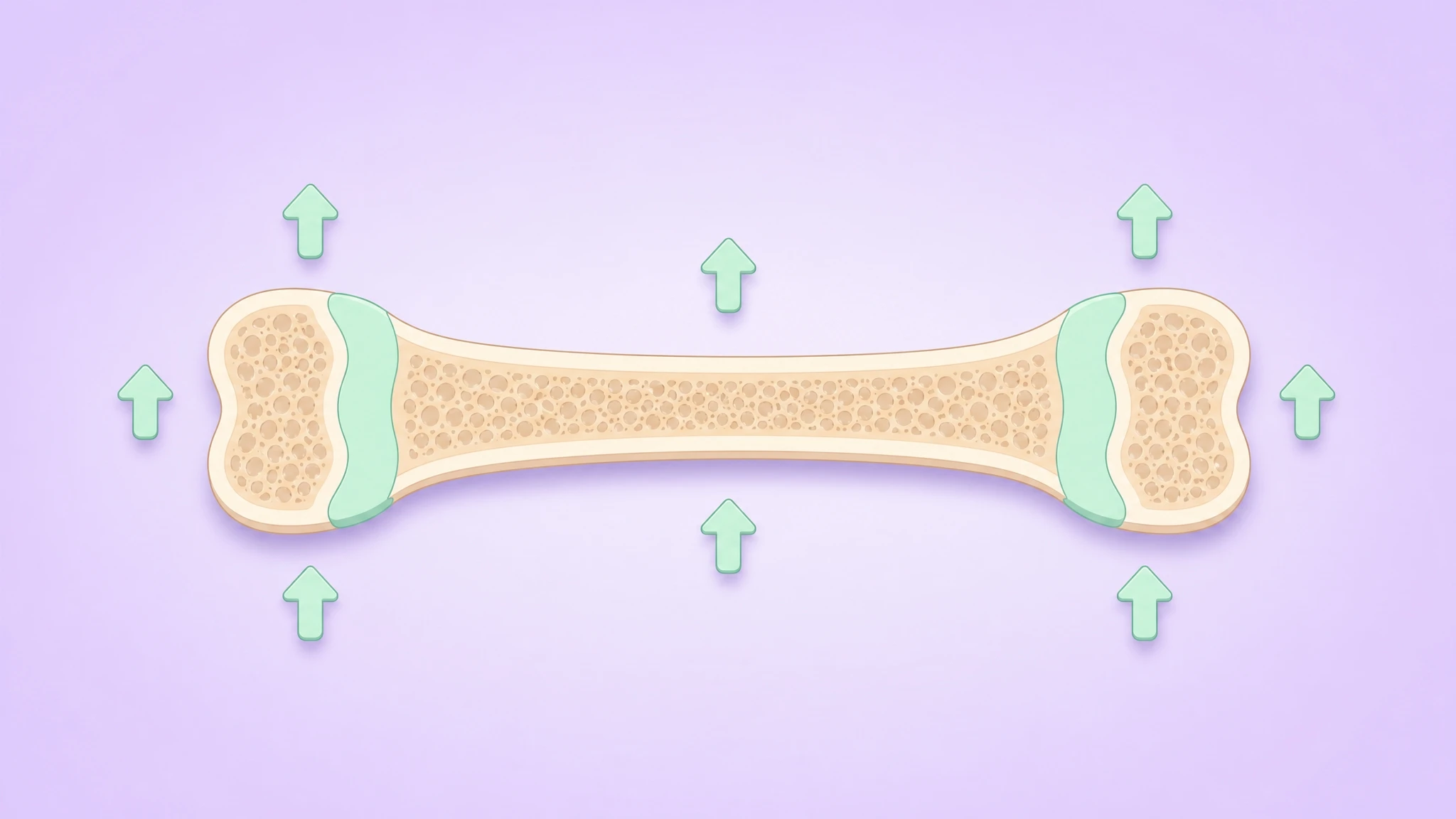
Before comparing the different types of height-promoting exercise, it is important to first understand why exercise is connected to height. Until a child reaches adulthood, their bones lengthen at cartilage zones called 'growth plates.' The growth plates sit at the ends of the bones and produce new bone tissue through cell division.
Appropriate exercise stimulation activates the growth plates and promotes height growth. On the other hand, excessive or improper stimulation can strain the growth plates or even lead to injury. For this reason, choosing exercise that suits the child's bone age and developmental stage is the key. Growth specialists can provide customized lifestyle coaching that takes these factors into account.
Jump rope: the flagship of growth-plate-stimulating exercise
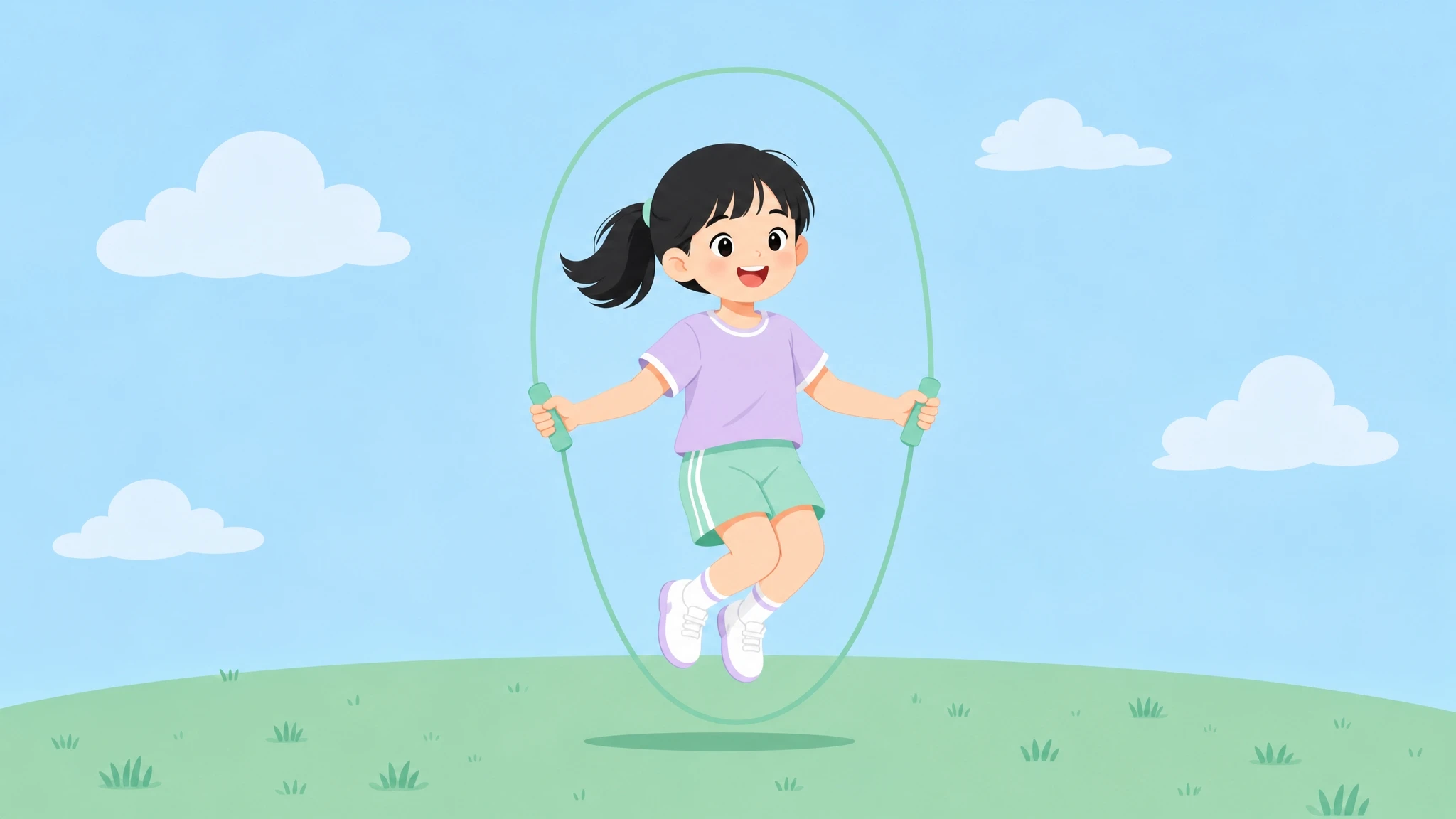
Many parents are well aware of the growth-plate-stimulating effect of jump rope. The regular jumping motion delivers an appropriate impact to the growth plates at the ends of the bones, increases bone density, and simultaneously builds cardiorespiratory function and whole-body muscle strength.
There are, however, a few points to keep in mind. Repeating it for long periods on a hard floor or landing with poor posture can put a strain on the knee and ankle joints. Proper jump rope means landing on a cushioned floor with the knees slightly bent, and ideally doing it consistently for 20 to 30 minutes a day. Repeating a moderate amount every day is far more effective for growth-plate stimulation than cramming in an hour all at once.
Basketball and swimming for height growth: effective in a different way from jump rope
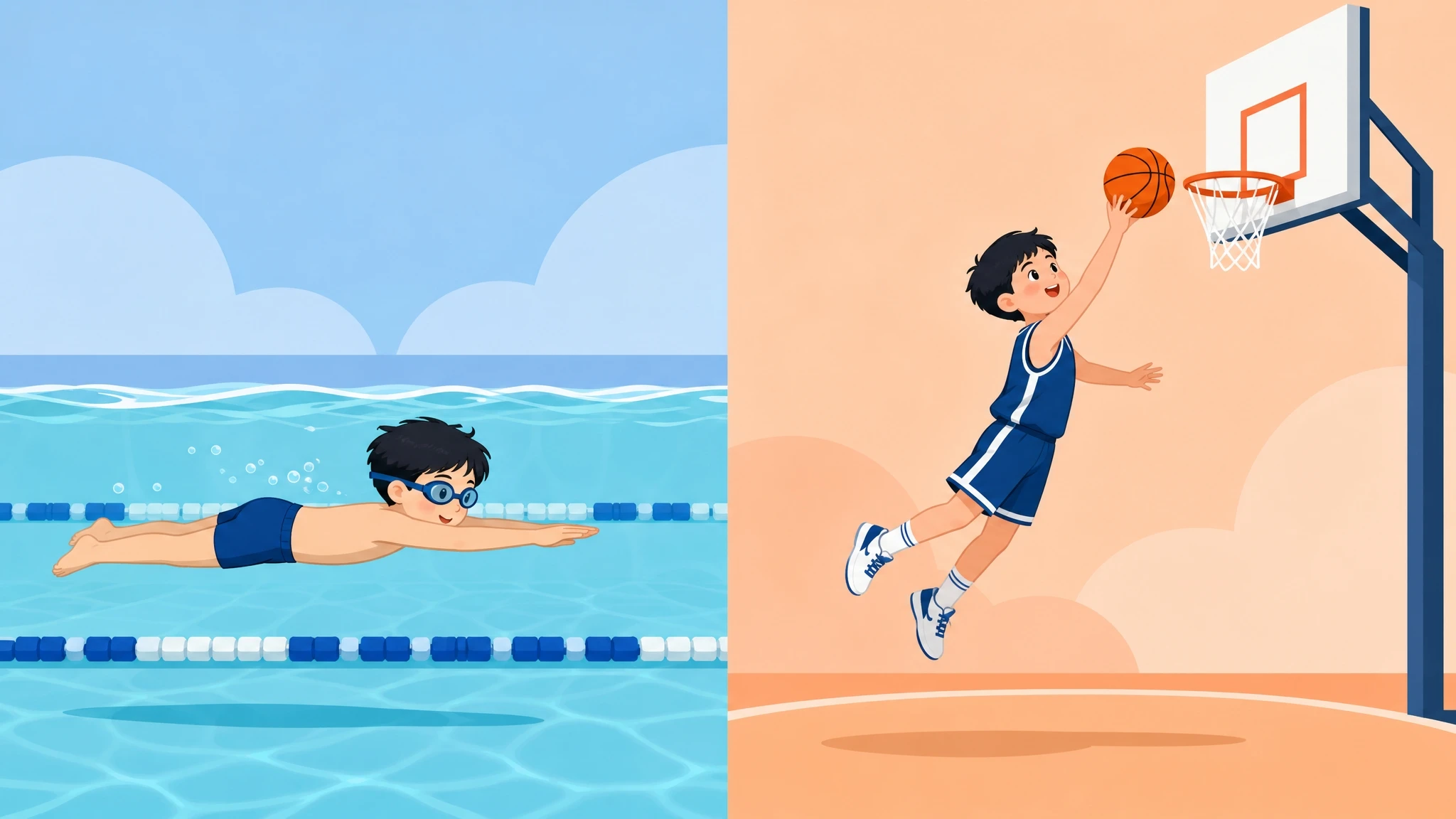
The height-growth benefits of basketball and swimming work on a different principle from jump rope, but they are by no means inferior.
Swimming takes place in water, so the strain on the joints is minimized. It uses the whole body's muscles evenly, produces a natural stretching effect, and is also beneficial for increasing lung capacity and inducing deep sleep. If you are looking for exercise that stimulates the whole body without straining the growth plates, swimming is an excellent choice.
Basketball and volleyball combine jumping, running, and stretching, dynamically stimulating the growth plates throughout the body. Another major advantage is that they let the child find exercise fun and enjoyable. However, because they involve intense physical contact, adequate warm-up and injury prevention require attention.
Cycling, stretching, and yoga: the hidden role of supplementary exercise
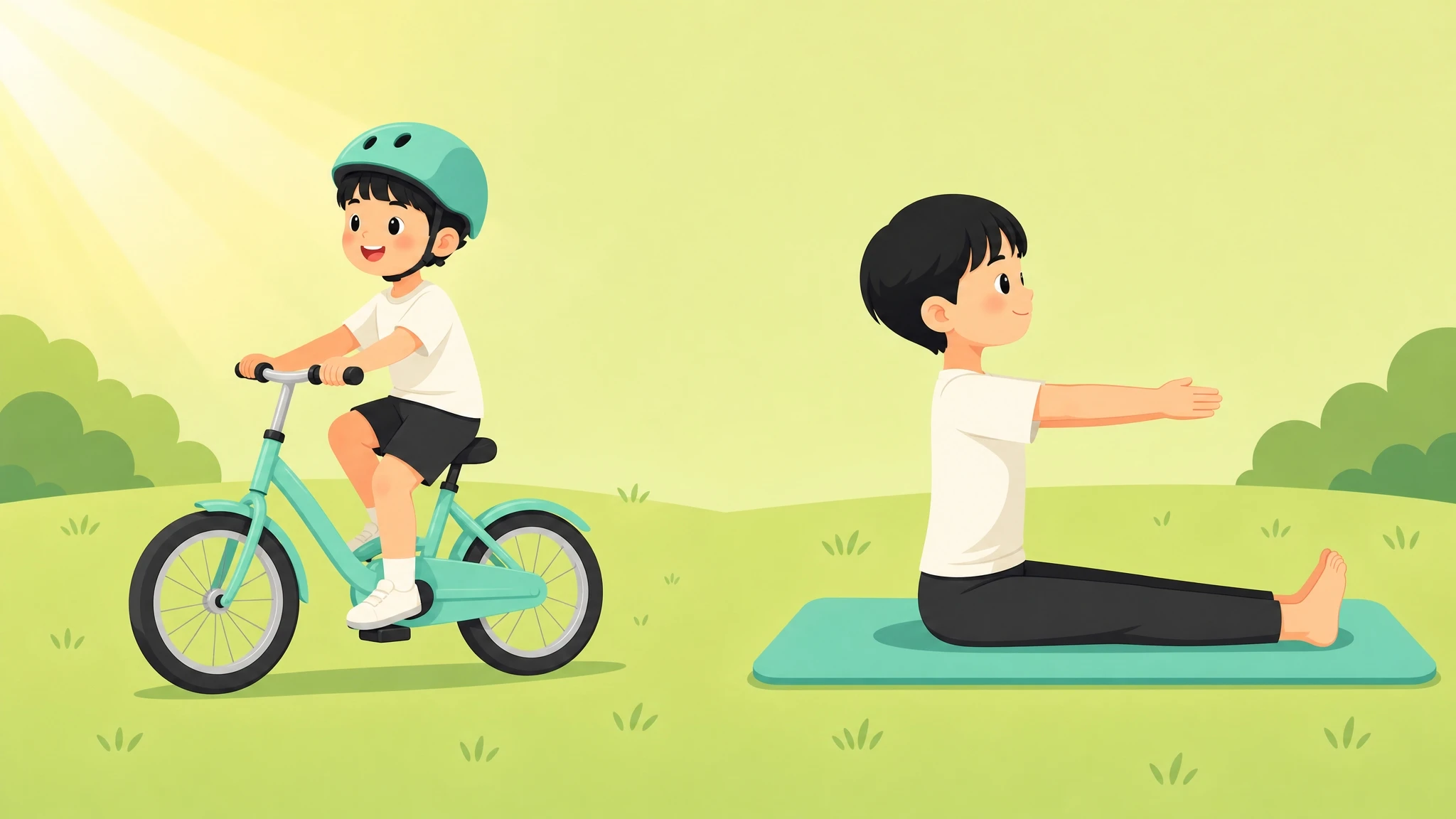
Cycling is an aerobic exercise that strengthens the lower-body muscles and can stimulate the growth plates without placing much strain on the knee joints. Riding outdoors also offers the added benefit of vitamin D synthesis through sunlight, which doubly supports bone health. However, since its stimulating effect on the upper-body growth plates is relatively small, it is best combined with other exercises.
Stretching and yoga serve to create an optimal physical environment for height growth rather than directly stimulating the growth plates. They straighten the spine and relax stiff muscles, helping maintain proper posture. Good posture not only makes a child look taller in actual height, but also secures space for the growth plates to work fully without being compressed. It also helps relieve growing pains.
Growth-plate stimulation of each exercise at a glance

Below is a summary that lets you compare the different types of height-promoting exercise at a glance.
- Jump rope: excellent impact stimulation of the growth plates, improves bone density, watch for joint strain
- Swimming: whole-body stimulation with no joint strain, promotes flexibility and deep sleep, requires regular pool visits
- Basketball and volleyball: stimulate whole-body growth plates through complex movements, great for sparking interest, watch for injury risk
- Cycling: stimulates the lower-body growth plates, vitamin D synthesis, insufficient upper-body stimulation
- Stretching and yoga: optimize the growth environment through posture correction and muscle relaxation, limited effect on their own
No single exercise is absolutely superior. Combining a variety of exercises to suit the child's age, fitness, and interests is the most effective strategy.
Exercise principles recommended by growth specialists

To make the most of growth-plate-stimulating exercise, you should not stop at simply choosing the type; how you put it into practice matters.
- Combine a variety: Alternate jump rope, swimming, basketball, and cycling to stimulate the whole body evenly.
- Do it consistently every day: Repeating 20 to 40 minutes a day at a moderate intensity is more effective than doing a lot all at once.
- Respect the child's interests: The exercise a child enjoys is the best growth-plate-stimulating exercise. An approach of enjoying it together, rather than forcing it, is sustainable.
- Make injury prevention the top priority: Adequate warm-up and cool-down are essential. If pain arises, stop immediately.
- Manage the entire lifestyle together: No matter how good the exercise is, its effect is halved if it is not supported by adequate sleep, a balanced diet, and proper posture.
If you are worried about your child's height growth, you can have a bone-age analysis and a growth-stage assessment through a pediatric growth specialist. There is a way to receive professional lifestyle coaching tailored to your child's individual condition, so please keep this in mind.
FAQ
Which exercise is best for height growth in children?
No single exercise is definitively best. Jump rope and basketball are highly effective because their impact and jumping movements send strong mechanical signals to the growth plates. Swimming complements these by improving posture and reducing joint stress. The most beneficial approach combines two or three different activities across the week, because variety stimulates growth plates throughout the entire skeleton rather than focusing load on one region.
Does jump rope actually help with height growth?
Yes, jump rope height growth benefits are well-supported. The repetitive vertical impact increases bone mineral density and provides the moderate mechanical loading that growth plates respond to. For best results, children should jump on a cushioned surface, land with slightly bent knees, and aim for 20–30 minutes daily rather than longer infrequent sessions.
Is stretching for kids enough on its own to support height growth?
Stretching for height kids is a valuable supporting practice but works best alongside impact or resistance activities. Stretching improves spinal alignment and reduces chronic compression on vertebral growth plates, creating better conditions for growth. However, it does not deliver the bone-loading stimulus that jump rope, swimming, or ball sports provide. Use stretching as a daily complement to a more active sport rather than as a replacement.
References
- Impact exercise increases BMC during growth: an 8-year longitudinal study. Journal of bone and mineral research : the official journal of the American Society for Bone and Mineral Research. 2008. PubMed · DOI
- Ground reaction forces associated with an effective elementary school based jumping intervention. British journal of sports medicine. 2005. PubMed · DOI
- A randomized school-based jumping intervention confers site and maturity-specific benefits on bone structural properties in girls: a hip structural analysis study. Journal of bone and mineral research : the official journal of the American Society for Bone and Mineral Research. 2002. PubMed · DOI
- Augmented trochanteric bone mineral density after modified physical education classes: a randomized school-based exercise intervention study in prepubescent and early pubescent children. The Journal of pediatrics. 2000. PubMed · DOI
- Does previous participation in high-impact training result in residual bone gain in growing girls? One year follow-up of a 9-month jumping intervention. International journal of sports medicine. 2003. PubMed · DOI