What Are Endocrine Disruptors?
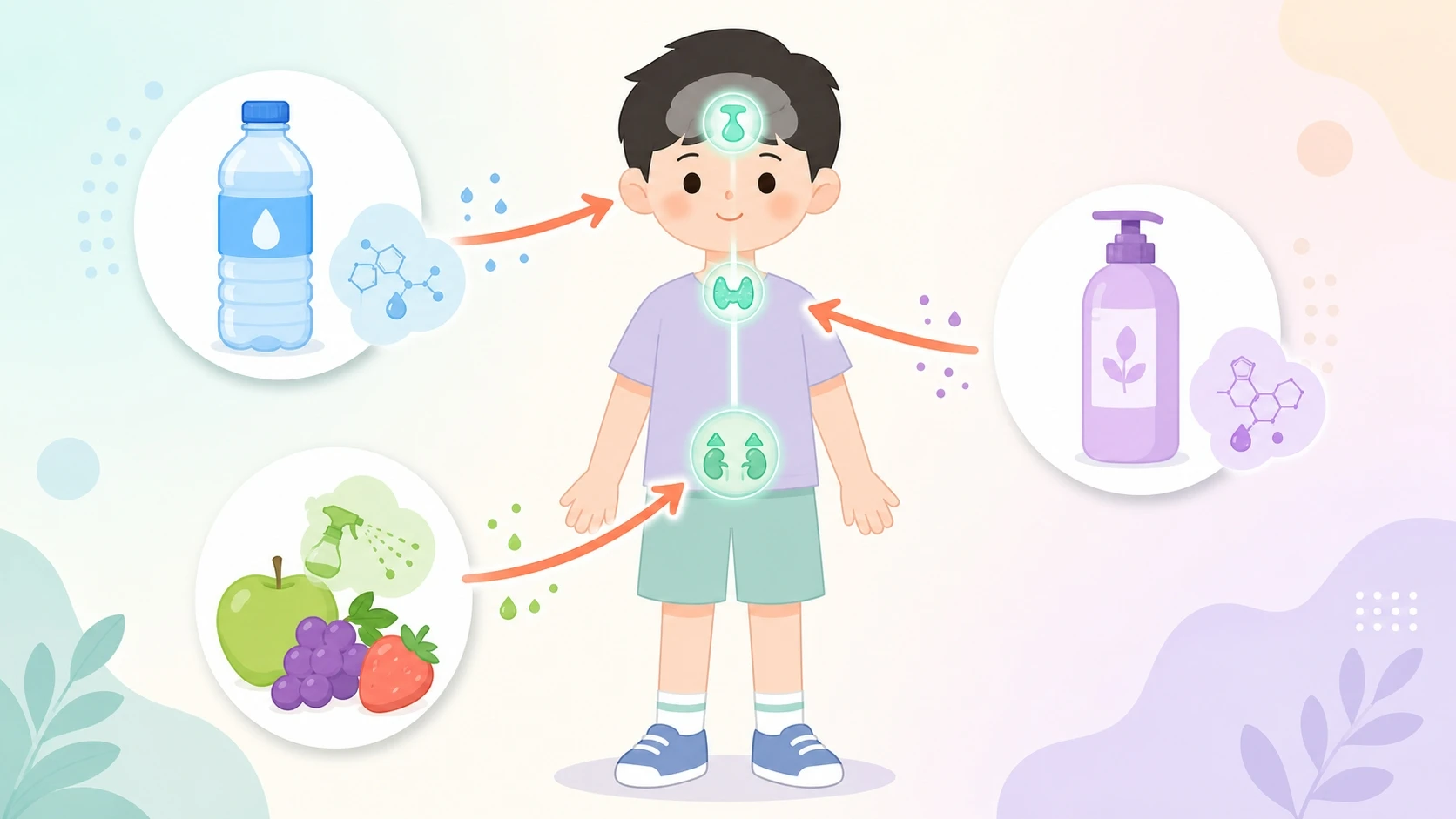
Endocrine disruptors and early puberty are now a well-established research pairing — yet many parents have never heard the term. Endocrine-disrupting chemicals (EDCs) are foreign substances that interfere with the body's hormone system. They work by mimicking natural hormones, blocking hormone receptors, or altering how hormones are produced and cleared. Because children's endocrine systems are still maturing, even low-level exposures can have outsized effects compared with adults. The World Health Organization recognizes EDCs as a global public health concern, and a growing body of peer-reviewed research links them to disrupted development, including shifts in the timing of puberty.
How Environmental Chemicals Trigger Early Puberty in Children
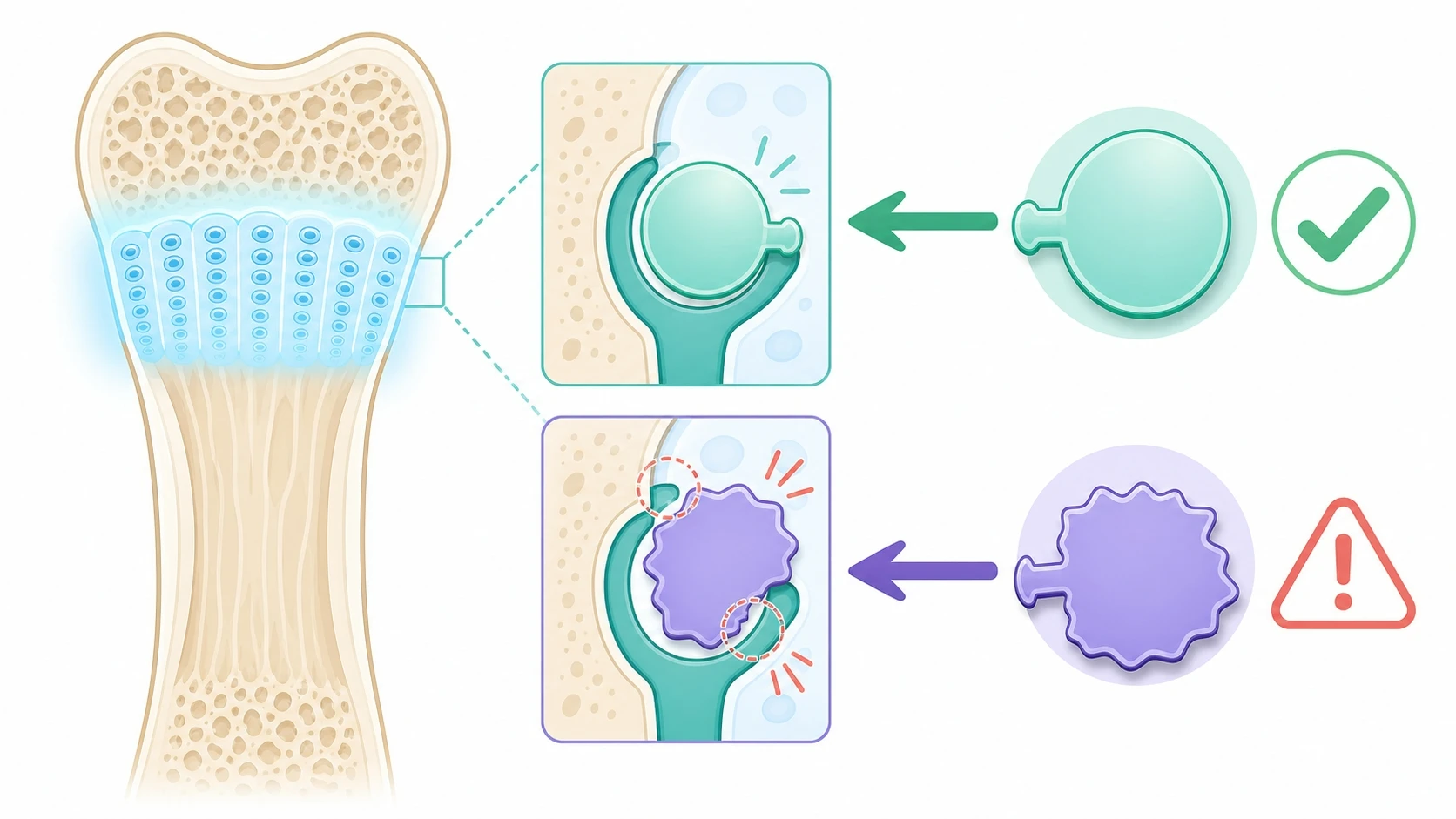
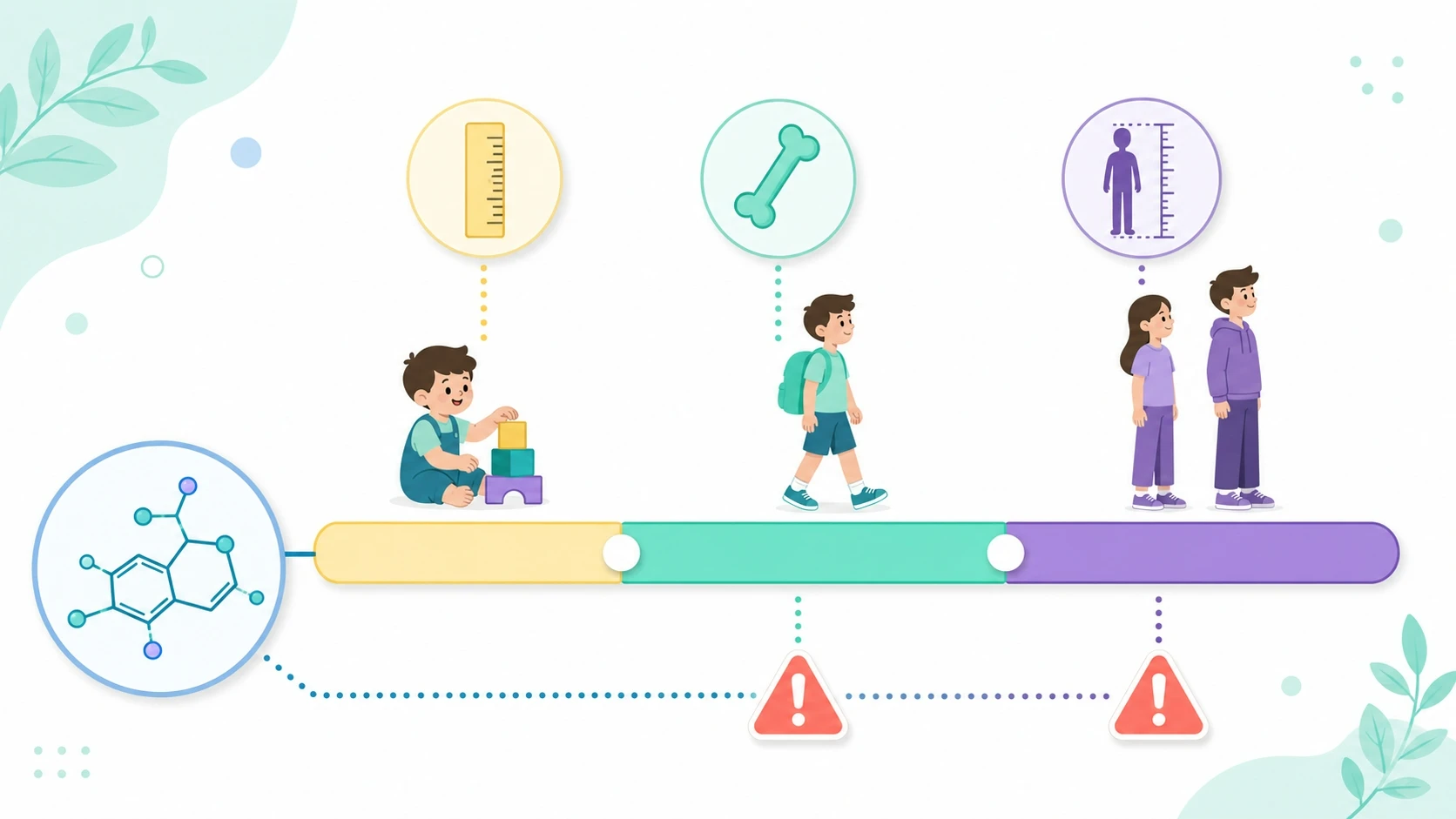
Growth plates at the ends of long bones drive height. These plates respond to sex hormones — once levels rise high enough during puberty, the plates gradually close and height gain stops. The problem with environmental chemicals and puberty in children is that certain EDCs act like counterfeit estrogen. They bind to estrogen receptors and send a false signal that puberty has already begun, causing the hypothalamic–pituitary–gonadal axis to activate ahead of schedule.
The result is precocious puberty — secondary sex characteristics appearing before age 8 in girls or age 9 in boys. Beyond the social and psychological impact, early puberty means growth plates close sooner, often cutting several centimeters off a child's final adult height. Research has also associated early puberty onset with increased long-term risks for certain hormone-related cancers and metabolic conditions.
BPA, Phthalates, and Plastics: Where the Risk Hides
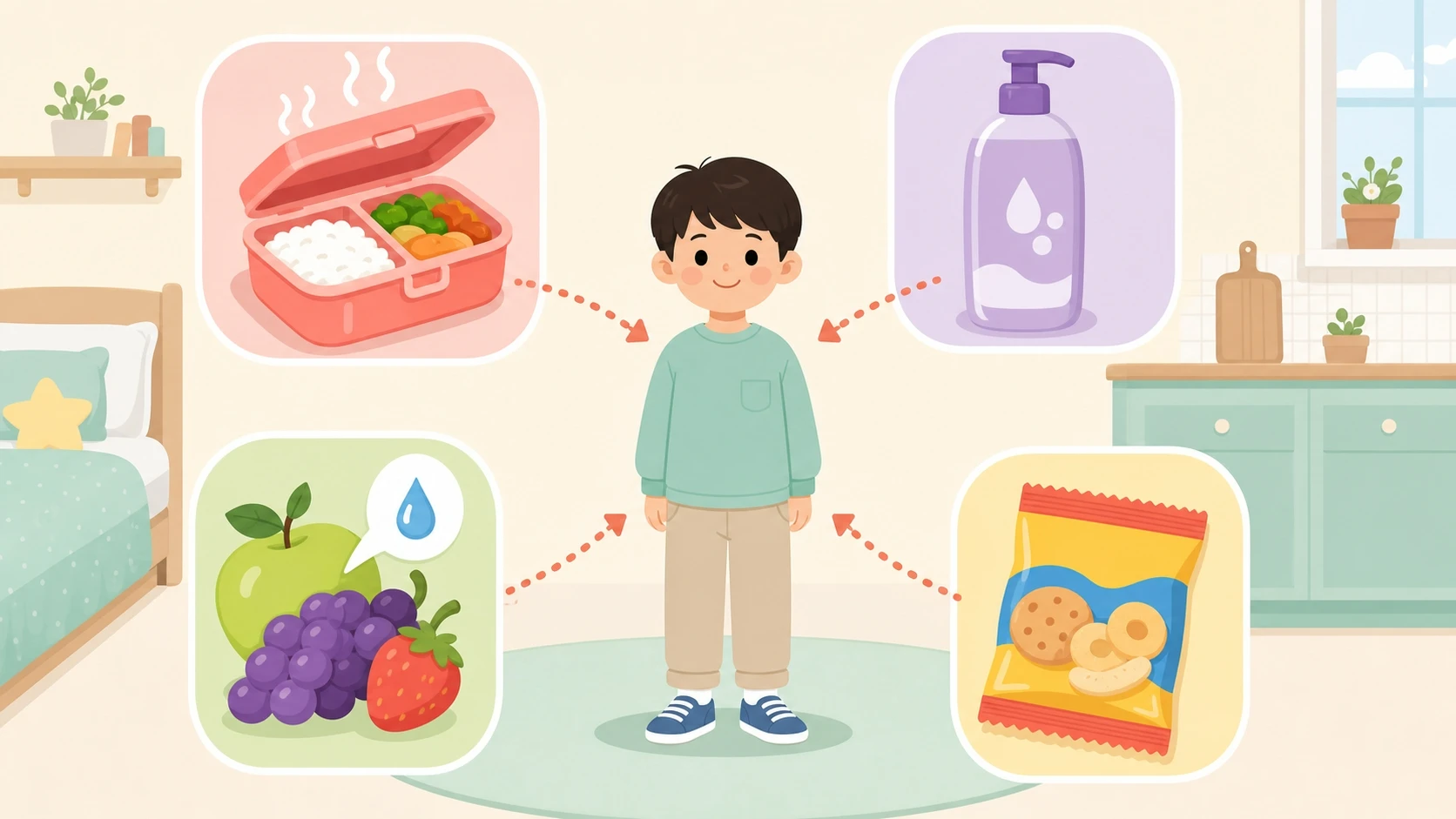
BPA and precocious puberty research has multiplied over the past decade. Bisphenol A (BPA) is a synthetic estrogen used to harden polycarbonate plastics and line food cans. Phthalates, another class of plastics hormones linked to puberty disruption, are used to make PVC flexible — found in everything from squeeze toys to shower curtains. Both compounds leach out of products when heated, scratched, or aged.
- Plastic food containers and baby bottles — especially when microwaved or washed repeatedly
- Canned food linings — heat processing can accelerate BPA migration
- Toys and teethers — older or lower-grade PVC products
- Food wrap and cling film — phthalates can transfer to fatty foods on contact
Skin absorption is another exposure route: personal care products such as shampoos, lotions, and toothpastes often contain parabens and triclosan — preservatives with mild estrogenic activity.
Pesticide Residues and Processed Foods: Two Often-Overlooked Sources
Environmental chemicals and puberty in children are not limited to obvious plastics. Organophosphate and organochlorine pesticides — residues found on conventionally grown produce — can mimic or block sex hormones. Studies in agricultural communities with higher pesticide exposure have found earlier average puberty onset in girls. Similarly, ultra-processed foods and fast food packaging introduce a cocktail of plastics hormones and puberty-relevant EDCs through both additives and food-contact materials.
Indoor air quality is a less visible concern: flame retardants in furniture foam, volatile organic compounds from new flooring, and household cleaning sprays all contribute to the EDC burden children absorb daily through inhalation and skin contact.
Practical Steps to Reduce Your Child's EDC Exposure
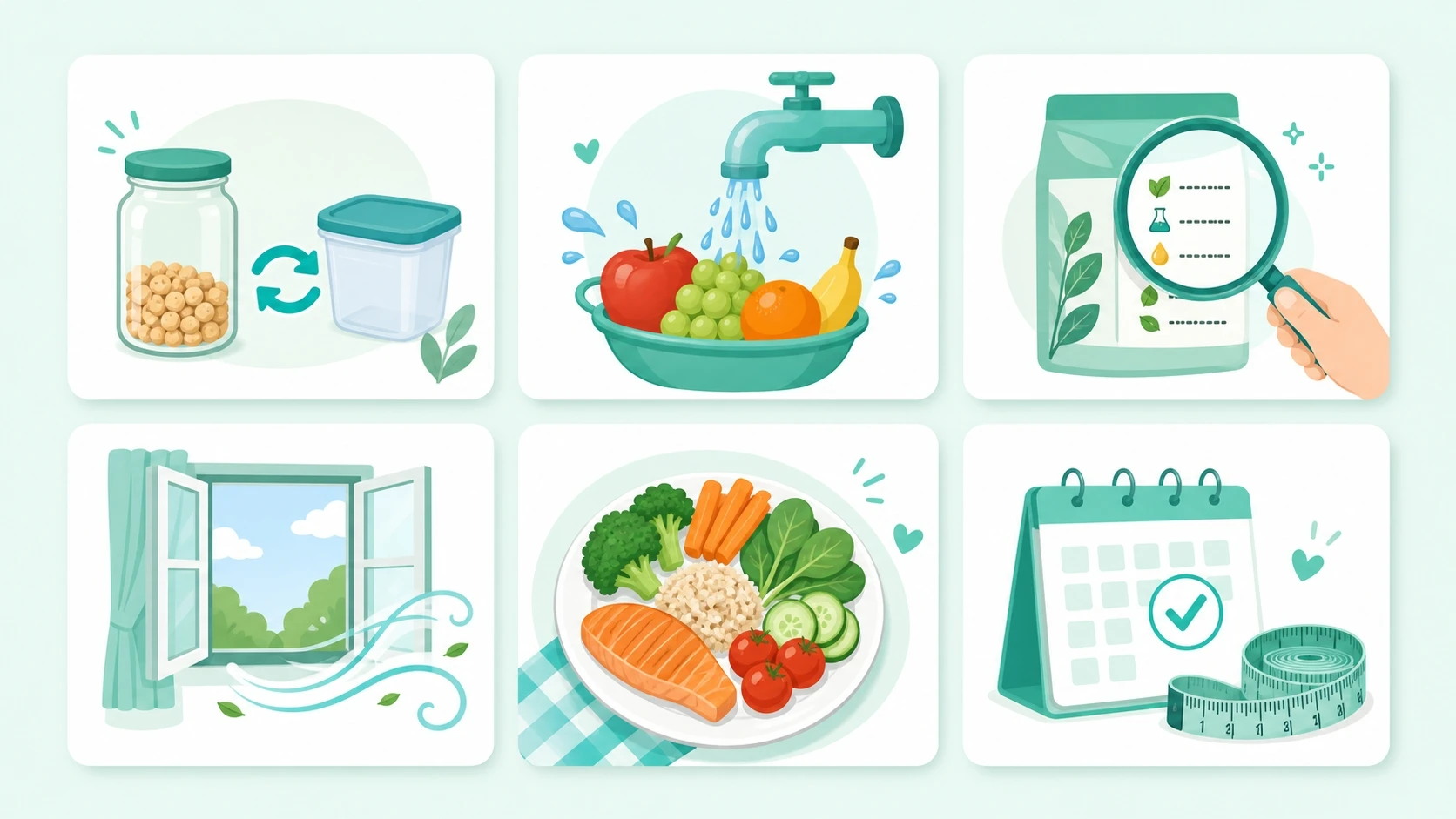
Reducing exposure to endocrine disruptors and early puberty risk does not require perfection — consistent small changes add up significantly.
- Switch to glass or stainless steel for food storage, drinking bottles, and reheating. Never microwave food in plastic containers, even those labeled microwave-safe.
- Prioritize fresh and organic produce for the items children eat most often. Peel or scrub conventionally grown fruits and vegetables thoroughly under running water.
- Read labels on personal care products — look for parabens, triclosan, and phthalate-containing fragrances. Choose fragrance-free or certified natural formulations.
- Ventilate your home daily — opening windows for 10–15 minutes twice a day helps flush out VOCs and dust-bound EDCs.
- Limit ultra-processed and fast food — prioritize whole, minimally processed meals prepared and stored in non-plastic vessels.
- Maintain a healthy body weight — adipose tissue converts androgens to estrogen; excess body fat elevates circulating estrogen levels, compounding the hormonal signal.
When to Seek a Professional Growth Evaluation
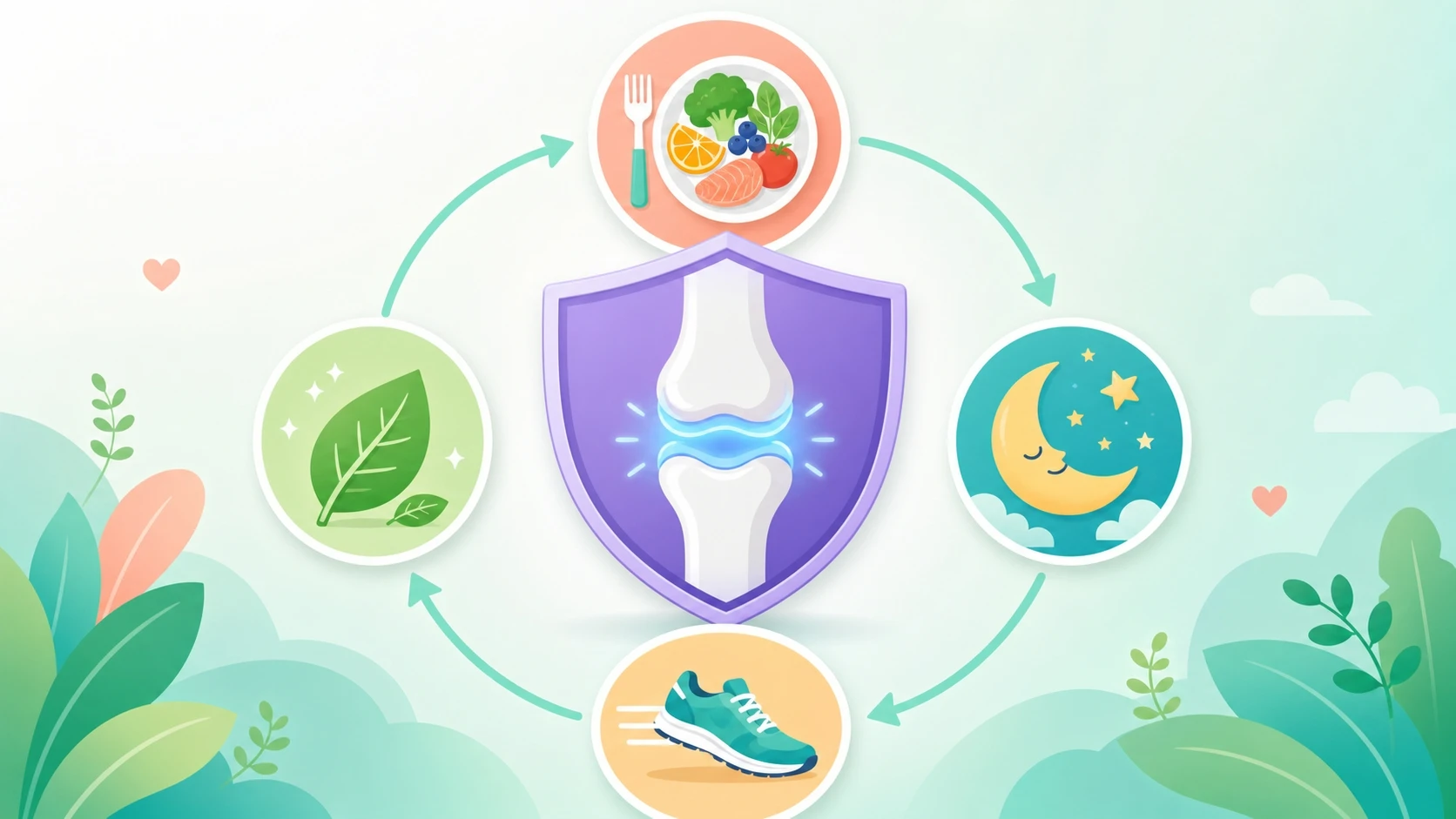
Lifestyle adjustments help, but they are not a substitute for clinical assessment if signs of early development appear. Parents who notice breast budding before age 8 in girls, or testicular enlargement before age 9 in boys, should consult a pediatric specialist without delay. A bone age X-ray can reveal whether the growth plates are advancing ahead of the child's chronological age — a key marker in evaluating precocious puberty and its potential impact on final adult height.
Clinics specializing in pediatric growth can assess hormone levels, rule out underlying causes, and discuss options that may help preserve growth potential. Early evaluation matters because the window for intervention is time-sensitive: once growth plates close, height cannot be recovered.
FAQ
Which everyday plastics are most likely to trigger early puberty in children?
Products made from polycarbonate plastic (older hard bottles, food storage containers) and soft PVC (flexible toys, cling wrap) are the main concerns. Both can release BPA or phthalates — compounds linked to BPA precocious puberty research — especially when heated, scratched, or aged. Switching to glass, stainless steel, or BPA-free alternatives and avoiding microwaving in any plastic significantly lowers exposure.
At what age should I be concerned about early puberty signs in my child?
The clinical threshold for precocious puberty is breast development before age 8 in girls or testicular enlargement before age 9 in boys. If you observe these signs — or notice your child growing unusually fast compared with peers — a pediatric growth specialist can order a bone age X-ray and hormone panel to determine whether early puberty is occurring and whether growth plates are closing ahead of schedule.
Can reducing environmental chemical exposure actually prevent early puberty?
No single lifestyle change guarantees prevention, but the evidence on environmental chemicals and puberty in children suggests that cumulative EDC exposure contributes meaningfully to puberty timing. Studies show that children in households with lower BPA and phthalate levels tend to have later puberty onset. Practical steps — glass storage, organic produce, fragrance-free personal care products, and daily ventilation — collectively reduce the hormonal burden on a child's still-developing endocrine system.
References
- Evaluating Phthalates and Bisphenol in Foods: Risks for Precocious Puberty and Early-Onset Obesity. Nutrients. 2024. PubMed · DOI
- Endocrine-disrupting chemicals and their effects on puberty. Best practice & research. Clinical endocrinology & metabolism. 2021. PubMed · DOI
- Early and precocious puberty during the COVID-19 pandemic. Frontiers in endocrinology. 2023. PubMed · DOI
- The timing of normal puberty and the age limits of sexual precocity: variations around the world, secular trends, and changes after migration. Endocrine reviews. 2004. PubMed · DOI
- Recent secular trends in pubertal timing: implications for evaluation and diagnosis of precocious puberty. Hormone research in paediatrics. 2012. PubMed · DOI