The Belief Every Parent Knows

The question of whether does milk help children grow taller is one that almost every parent has asked at some point. The logic feels airtight: milk is packed with calcium, calcium builds strong bones, and strong bones mean height. So a glass at breakfast and another at dinner should do the trick, right? This belief is so deeply embedded in parenting culture that many families treat daily milk as non-negotiable — a kind of insurance policy for their child's height. But pediatric growth specialists consistently push back on this oversimplification. Calcium is genuinely important for children, yet the leap from "calcium strengthens bones" to "milk makes kids taller" skips several critical steps in the biology of height growth.
What Calcium in Milk Actually Does for Bones
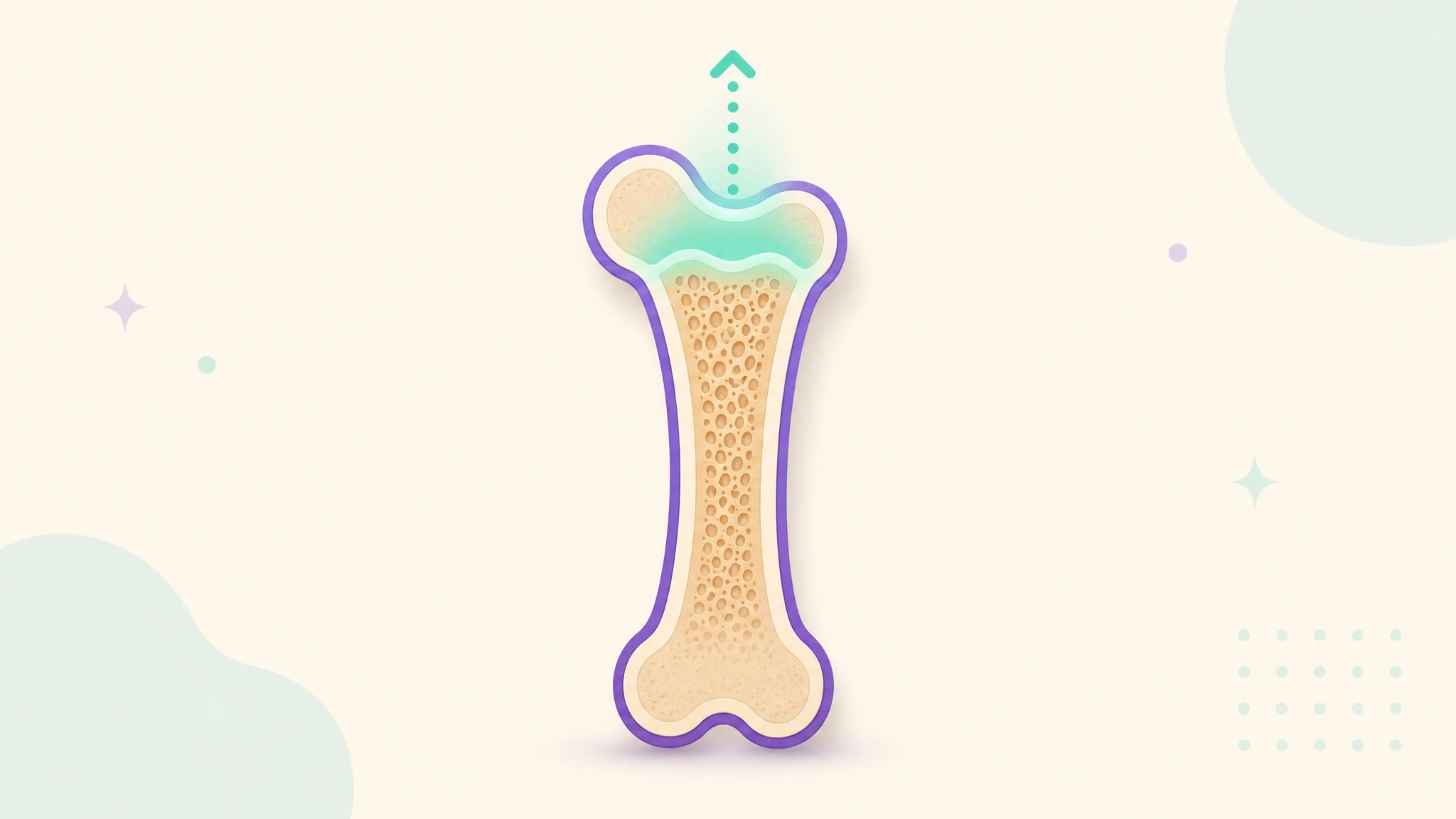
Calcium is an essential mineral — there is no debate there. It is the primary structural component of bone tissue, and adequate calcium intake during childhood helps build bone density that protects children well into adulthood. The calcium in milk height growth conversation gets derailed, however, when parents confuse bone density with bone length. These are two separate biological processes. Calcium contributes to how dense and solid bones become, but it does not directly stimulate the growth plates — the cartilage zones near the ends of long bones where actual lengthening happens. Growth plate activity is governed primarily by hormonal signals, not by mineral supply alone. If calcium intake is severely deficient, bones may become fragile and unable to support the structural demands of growth, but simply topping up calcium beyond an adequate level does not produce extra centimeters.
The Real Drivers of Height Growth

Height is determined by a set of factors far more complex than a single nutrient. The most powerful driver is growth hormone, which is released from the pituitary gland and directly stimulates growth plate cells to multiply and elongate the bone. The two lifestyle habits that most reliably boost natural growth hormone secretion are deep, adequate sleep and regular physical activity — particularly exercises that involve jumping or impact loading. Genetics accounts for roughly 70 to 80 percent of a child's final height, meaning that the parent height formula gives a solid baseline prediction. The remaining 20 to 30 percent, however, is genuinely modifiable through nutrition, sleep, exercise, and overall health. Nutrition in this context means a broad mix of nutrients — protein, vitamin D, zinc, and vitamin K all play distinct roles — rather than maximizing any single food. The milk myth height growth story focuses narrowly on one variable while the body is managing dozens simultaneously.
How Much Milk Is Actually Enough

Asking how much milk for child height is a reasonable practical question, and the answer points toward balance rather than volume. Most pediatric nutrition guidelines recommend one to two servings of dairy per day for school-age children — enough to contribute meaningfully to calcium and protein needs without crowding out other foods. The problem arises when milk consumption becomes excessive. Children who drink large amounts of milk throughout the day often arrive at meals with low appetite, meaning they eat fewer vegetables, legumes, eggs, and whole grains — foods that supply the protein, iron, zinc, and fiber that growth also depends on. Some children also experience lactose intolerance, making high milk intake counterproductive by causing digestive discomfort that reduces overall nutrient absorption. Dairy is a good food, but it is one part of a varied diet, not a standalone growth solution.
Calcium Sources Beyond the Glass

One of the most practical takeaways from unpacking the milk myth height growth story is that calcium does not have to come from milk at all. Dried anchovies, canned sardines eaten with bones, firm tofu, broccoli, bok choy, kale, and fortified plant milks all deliver meaningful calcium alongside other micronutrients. Pairing any calcium source with adequate vitamin D is equally important because vitamin D controls how efficiently the intestine absorbs calcium — without it, even generous calcium intake is poorly utilized. Children who spend little time outdoors are at particular risk of vitamin D shortfall, which can undermine bone mineralization regardless of how much dairy they consume. A diet that draws calcium from multiple food sources naturally provides a wider array of vitamins and minerals, which is exactly what a growing body needs.
When to Look Beyond Diet for Growth Concerns

If a child is eating well, sleeping adequately, and staying active yet still seems to be falling behind on height — consistently tracking below the third to fifth percentile or growing less than four to five centimeters per year after age three — diet adjustments alone are unlikely to be the answer. In these situations, a pediatric growth specialist can conduct a bone age assessment using a hand X-ray, evaluate growth hormone function, and rule out underlying conditions such as thyroid disorders or chronic nutritional absorption problems. A professional evaluation gives parents an accurate picture of how much growth potential remains and whether any medical support is appropriate. Nutritional guidance from a specialist also goes well beyond the dairy question, addressing the full dietary pattern and lifestyle habits that together create the best environment for a child to reach their individual height potential.
FAQ
Does drinking milk every day actually make children grow taller?
Milk provides calcium, protein, and vitamin D — all of which support healthy bone development — but it does not directly stimulate the growth plates responsible for height. Height is primarily driven by growth hormone, genetics, sleep quality, and overall balanced nutrition. Milk can be a useful part of a growth-supportive diet, but it is not a reliable height booster on its own.
How much milk should my child drink each day for healthy growth?
Most pediatric guidelines suggest one to two servings of dairy daily for school-age children. Drinking significantly more than this can reduce appetite for other important foods without providing additional height benefit. Children who cannot tolerate lactose can obtain calcium from foods like sardines, tofu, broccoli, and fortified plant-based milks instead.
My child drinks plenty of milk but is still short. What should I check?
If a child is growing less than four to five centimeters per year despite a good diet, it is worth consulting a pediatric growth specialist. A bone age X-ray can reveal how much growth potential remains, and a clinical evaluation can identify whether factors such as growth hormone levels, thyroid function, or nutrient absorption are influencing height — none of which can be addressed by increasing milk intake.
References
- Effects of Dairy Product Consumption on Height and Bone Mineral Content in Children: A Systematic Review of Controlled Trials. Advances in nutrition (Bethesda, Md.). 2020. PubMed · DOI
- Association between noncow milk beverage consumption and childhood height. The American journal of clinical nutrition. 2017. PubMed · DOI
- Children who avoid drinking cow milk have low dietary calcium intakes and poor bone health. The American journal of clinical nutrition. 2002. PubMed · DOI
- Cow's milk and linear growth in industrialized and developing countries. Annual review of nutrition. 2006. PubMed · DOI
- Milk and dairy consumption is positively associated with height in adolescents: results from the Israeli National Youth Health and Nutrition Survey. European journal of nutrition. 2022. PubMed · DOI