Why Height Hits Harder Than You Might Expect
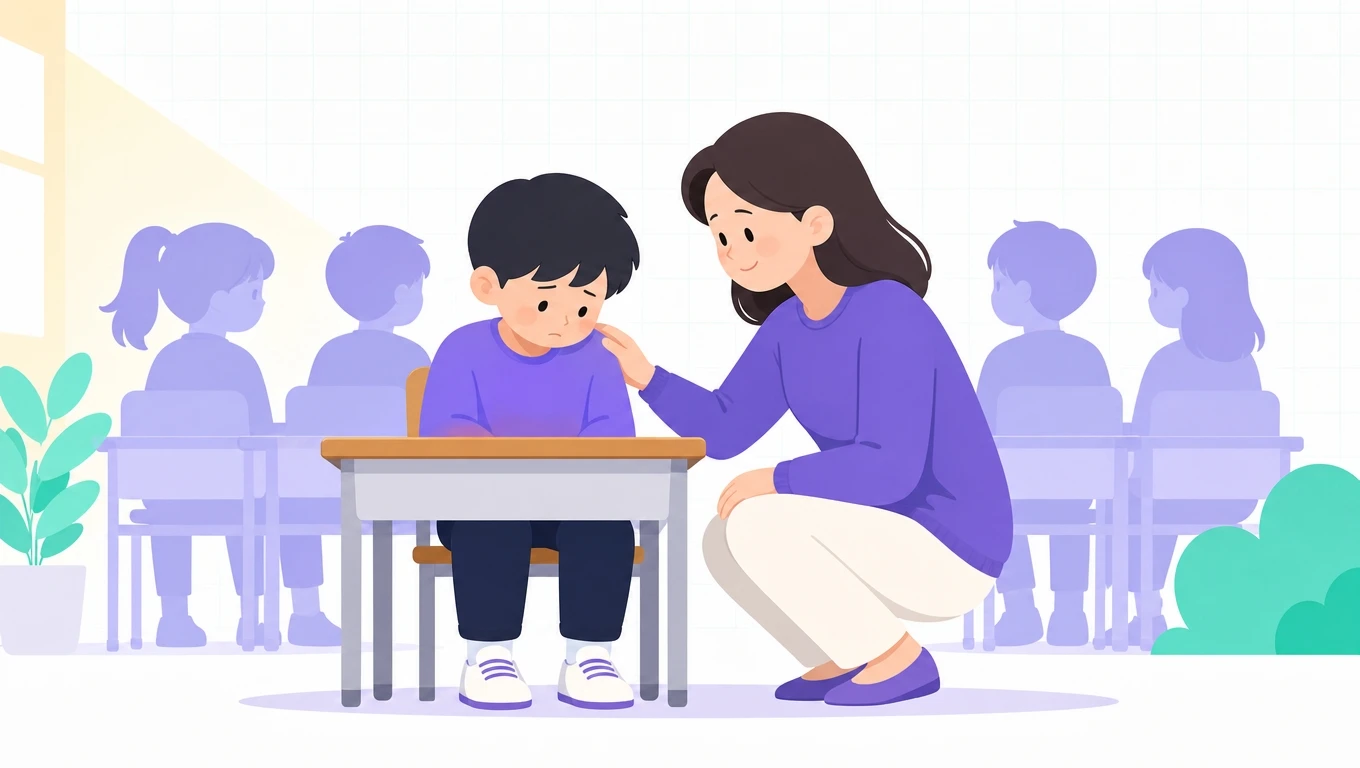
A child with low self-esteem about height is dealing with something very real. While adults know that height is just one trait among many, children — especially in elementary and middle school — often experience it as a central measure of social standing. Being shorter than classmates can translate into feeling invisible during group activities, getting picked last in sports, or becoming an easy target for teasing. Pediatric growth specialists see this pattern regularly: a child who is otherwise confident and bright begins to withdraw, avoid social situations, or stop raising their hand in class — all because of a number on the growth chart. Recognizing that the emotional impact is genuine, not exaggerated, is the essential first step for any parent.
How to Talk to Your Child About Being Short
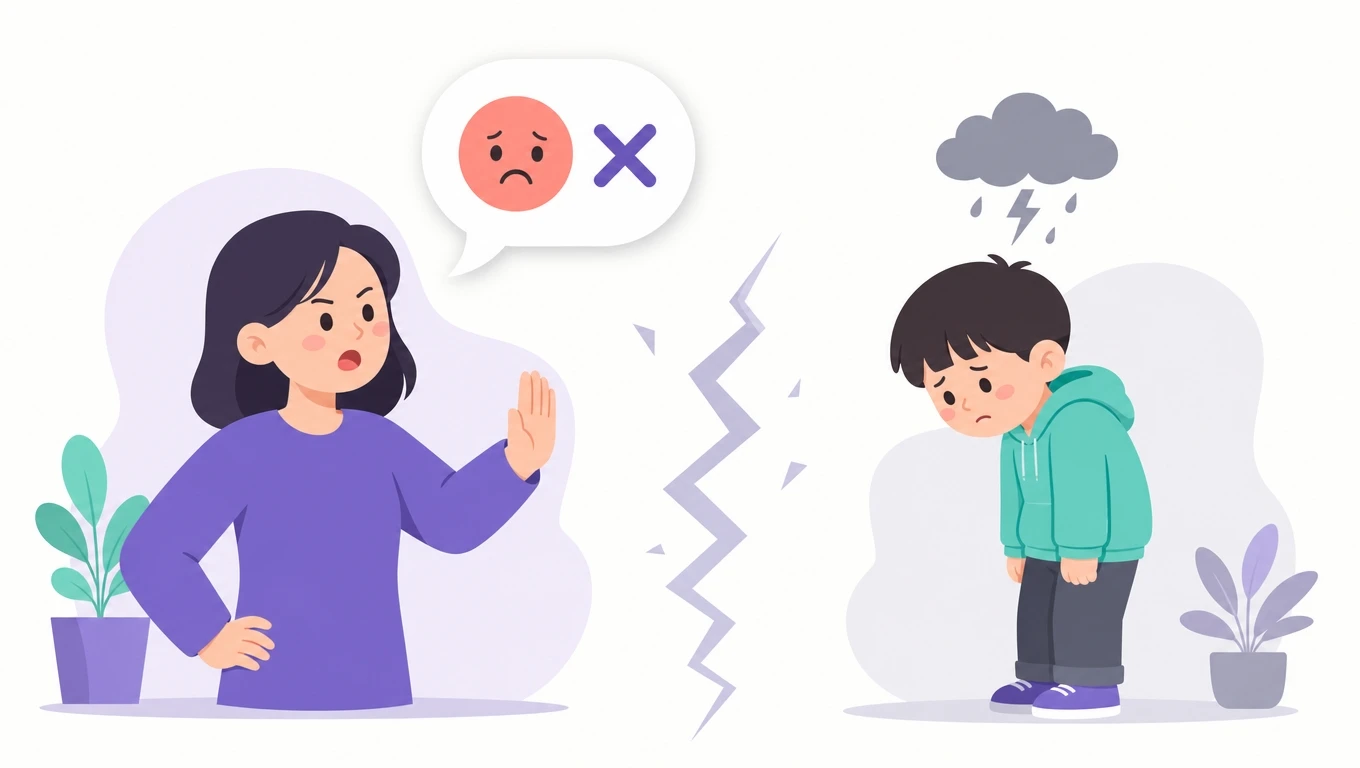
Knowing how to talk to your child about being short can feel awkward — parents often oscillate between cheerful denial and anxious over-explanation. Neither extreme helps. Here is what does:
- Acknowledge feelings first. Before offering solutions, reflect back what your child is experiencing. Saying "It sounds like today was really hard" opens the door far more effectively than "Don't worry, you'll grow." Children need to feel heard before they can hear advice.
- Replace height-focused language. Comments such as "You need to eat more so you'll grow" or "Why aren't you growing faster?" — even when well-intentioned — quietly reinforce the idea that your child is somehow falling short. Swap these for observations about effort, character, and capability.
- Be matter-of-fact about the facts. If your child asks why they are shorter than their classmates, a calm, honest answer — "Everyone grows at a different pace, and your body has its own timeline" — is more reassuring than vague comfort, because it respects their intelligence.
Short Child Bullied at School: When Teasing Crosses a Line

A short child bullied at school needs a two-track response: emotional support at home and proactive engagement with the school environment. Start by gathering information calmly — ask open questions rather than leading ones. "What happened at lunch today?" works better than "Did anyone make fun of your height again?" which can amplify anxiety.
Once you understand the situation, validate that the teasing is not acceptable and that it is not the child's fault. Work with teachers or school counselors if the behavior is repeated or escalating. At home, role-play responses your child can use — simple, confident statements like "Yeah, I'm shorter than you, so what?" can defuse many peer comments by removing the expected emotional reaction. Bullying tends to lose momentum when the targeted child stops appearing distressed by the remarks. Building this kind of practiced calm takes time, but it is one of the most useful social skills parents can coach.
Building Confidence in a Short Stature Child Beyond the Mirror

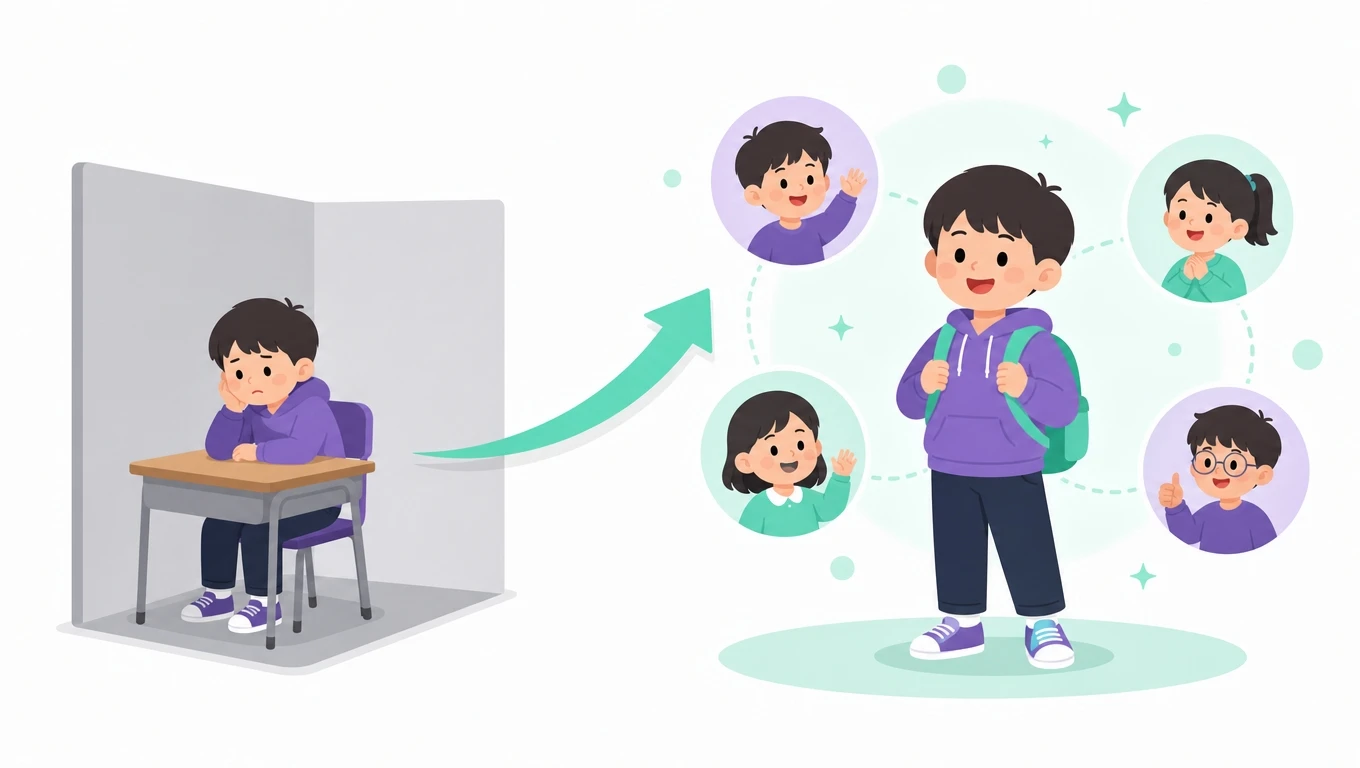
Building confidence in a short stature child is not about convincing them that height does not matter — it is about expanding the domains where they feel genuinely capable and valued. Research on childhood resilience consistently shows that children who have at least one area of recognized competence are significantly more protected against social difficulties.
- Find their arena. Whether it is music, coding, martial arts, art, or cooking, help your child invest deeply in something they are good at. Mastery creates a stable sense of self that external comments cannot easily undermine.
- Praise process, not product. "You worked really hard on that" is more resilience-building than "You're so talented," because it anchors self-worth in something the child controls.
- Highlight role models. Share age-appropriate stories of accomplished people across history and current events who are not particularly tall. This normalizes a wide range of physical forms and keeps height in perspective as one small variable in a much larger life.
When the Concern Goes Beyond Emotions: Medical Considerations
Most children who feel self-conscious about their height are within the normal range of variation. However, some situations warrant a professional evaluation. Consider consulting a pediatric growth specialist if your child is significantly below the 3rd percentile for their age and sex, if they have grown less than about 4–5 centimeters (roughly 1.5–2 inches) in the past year after age 3, or if the gap between their height and their classmates seems to be widening over time rather than holding steady.
A specialist can perform a bone age X-ray — a painless wrist X-ray that reveals how much growth potential remains — and check for underlying causes such as growth hormone deficiency, thyroid irregularities, or early puberty. Conditions like these are treatable, and early identification matters because the growth window is finite. A child who avoids social situations or shows signs of persistent sadness related to their height may also benefit from a conversation with a child psychologist alongside any medical workup.
The Three Pillars Parents Can Strengthen at Home

Regardless of whether medical support is involved, there are three evidence-backed lifestyle areas that genuinely support healthy growth and give families a constructive focus.
- Sleep. The majority of growth hormone is released during deep sleep, particularly in the first few hours after a child falls asleep. A consistent, age-appropriate bedtime — and a screen-free wind-down routine — is one of the highest-return investments parents can make.
- Nutrition. Protein, calcium, vitamin D, and zinc all play documented roles in skeletal development. A balanced, varied diet with adequate dairy or dairy alternatives, lean protein, and plenty of vegetables covers most of these bases without requiring supplements.
- Physical activity. Weight-bearing exercises and sports — swimming, basketball, skipping rope, gymnastics — stimulate bone and muscle development. Crucially, sports also build social bonds and confidence, addressing both the physical and emotional dimensions at once.
These habits will not turn every short child into a tall adult, but they do ensure that each child reaches the height their biology genuinely allows — and that matters both for growth and for the child's overall sense of health and agency.
FAQ
At what age should I be concerned if my child seems significantly shorter than classmates?
A general guideline is to seek an evaluation if your child consistently falls below the 3rd percentile on standard growth charts, grows less than about 4–5 cm per year after age 3, or if the difference between your child and peers appears to be increasing rather than staying stable. Bone age testing can clarify how much growth potential remains and whether any underlying condition needs attention.
How can I help my child feel better about being short without dismissing their feelings?
The most effective approach combines genuine acknowledgment with practical confidence-building. Start by validating what your child feels — avoid jumping straight to reassurance. Then actively cultivate areas where your child experiences real competence and recognition, whether through sports, arts, or other interests. Research consistently shows that children with at least one strong area of mastery are more resilient to social difficulties related to appearance.
Can growth hormone treatment help a child who is simply shorter than average but medically normal?
Growth hormone therapy is typically reserved for children with a confirmed medical diagnosis, such as growth hormone deficiency, Turner syndrome, or small-for-gestational-age status without catch-up growth. For children who are short but otherwise healthy, the evidence for benefit is more limited and the decision involves careful risk-benefit analysis by a qualified specialist. A bone age evaluation and specialist consultation are the appropriate first steps before any treatment is considered.
References
- Psychosocial aspects of short stature. The Journal of pediatric endocrinology. 1994. PubMed · DOI
- Consensus statement on the diagnosis and treatment of children with idiopathic short stature: a summary of the Growth Hormone Research Society, the Lawson Wilkins Pediatric Endocrine Society, and the European Society for Paediatric Endocrinology Workshop. The Journal of clinical endocrinology and metabolism. 2008. PubMed · DOI
- Quality of Life in Adolescent Boys with Idiopathic Short Stature: Positive Impact of Growth Hormone and Aromatase Inhibitors. Hormone research in paediatrics. 2019. PubMed · DOI
- A Polygenic Risk Score to Predict Future Adult Short Stature Among Children. The Journal of clinical endocrinology and metabolism. 2021. PubMed · DOI