The Calcium Myth Every Parent Believes

Calcium and vitamin D for child height go hand in hand — yet most parents only think of the first part. When a child seems to be lagging behind the growth chart, calcium is almost always the first supplement parents reach for, and for good reason: calcium is the primary mineral in bone tissue, and children need significant amounts of it during their growing years to build strong, dense bones. Adequate calcium intake lays the structural foundation for every centimeter of height a child can gain.
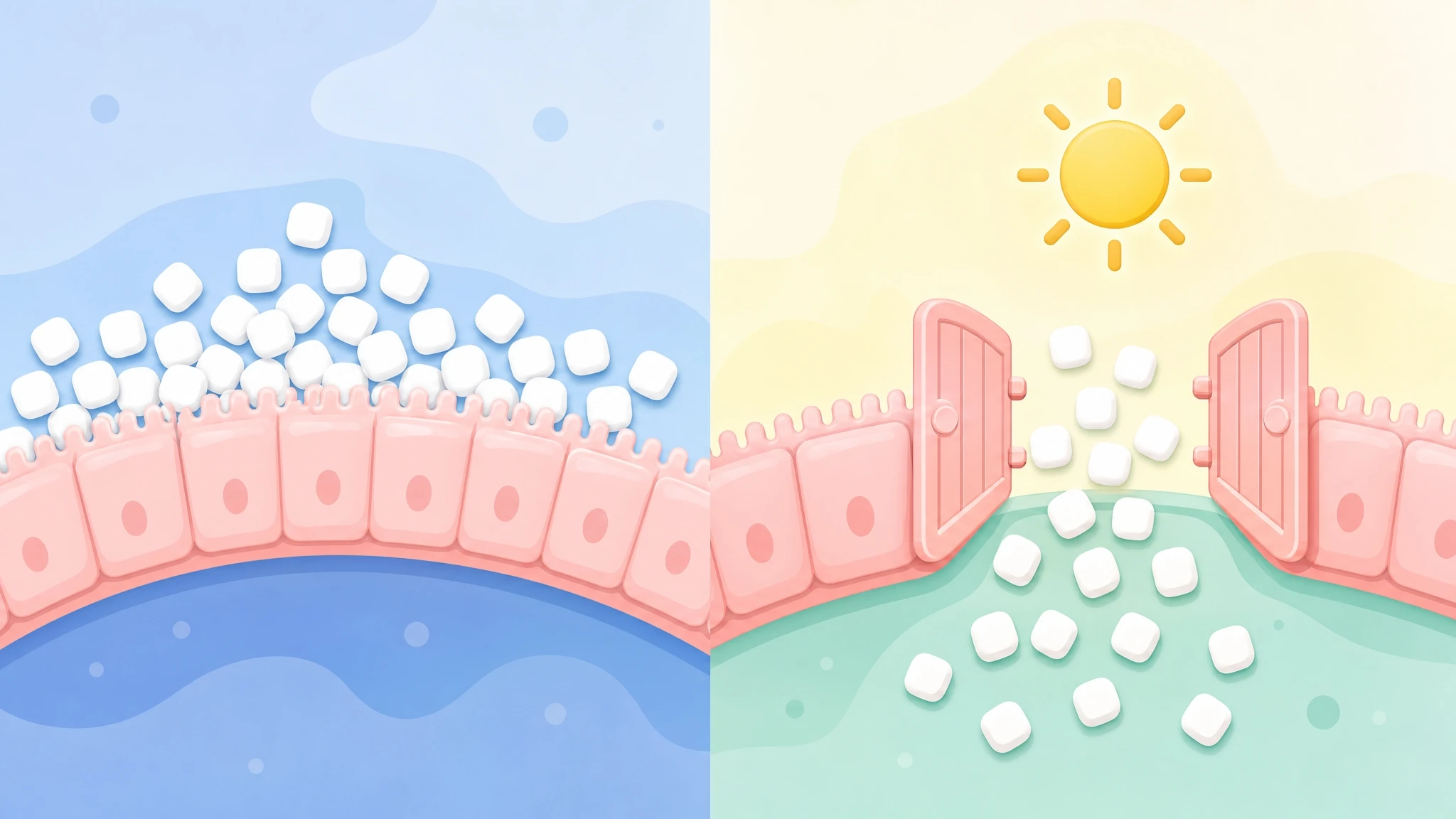
But here's the part the label on the calcium bottle often doesn't tell you: swallowing more calcium does not automatically mean more gets into your child's bones. The mineral has to be absorbed through the gut wall first, and that absorption step has a strict gatekeeper. When calcium intake is consistently high but the gatekeeper is absent, much of it simply passes through the body unused. Understanding why this happens — and what the gatekeeper actually is — changes everything about how you approach your child's nutrition for growth.
What Calcium Actually Does in a Growing Body
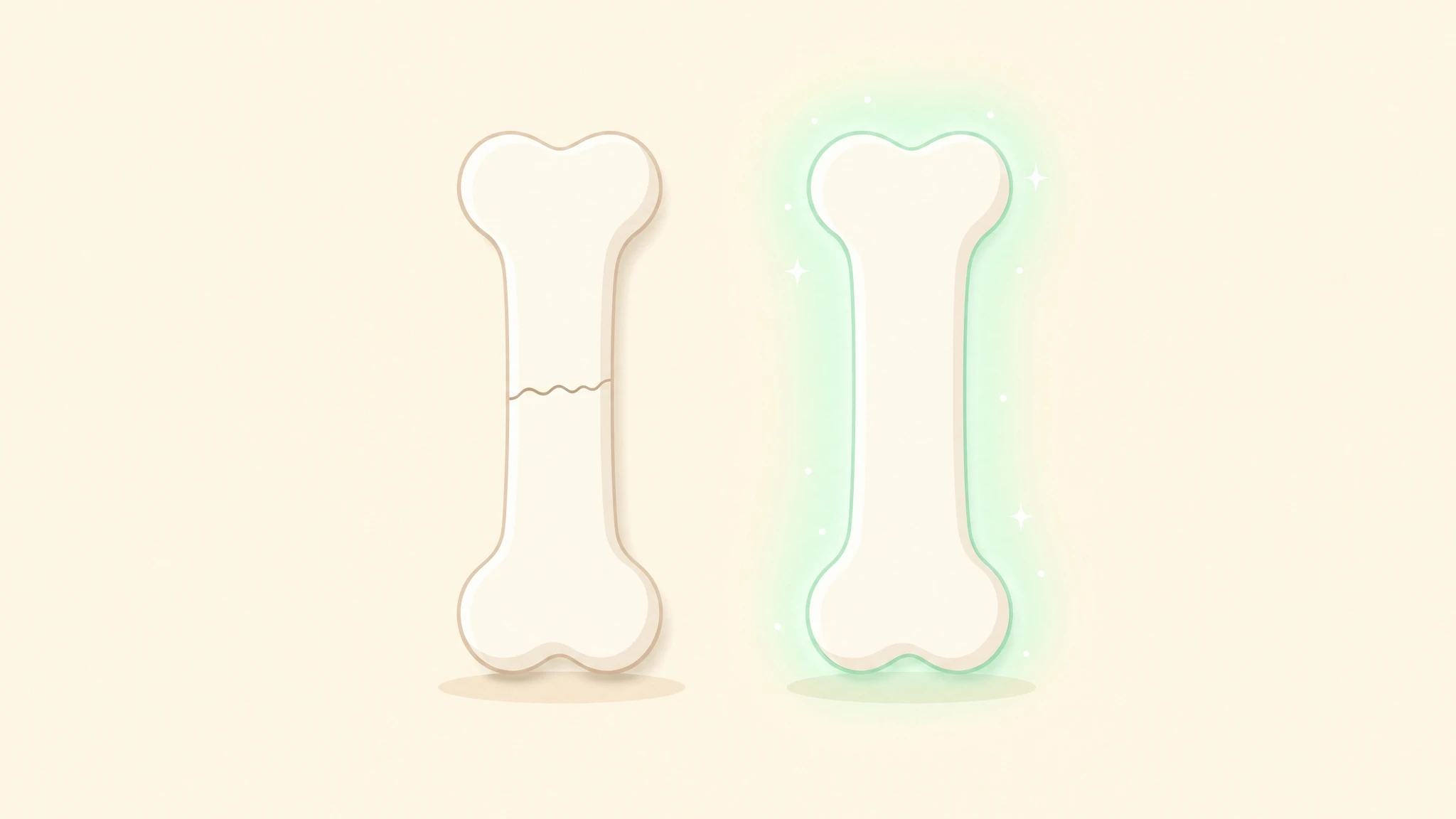
During childhood and adolescence, bones are in a constant state of remodeling. Specialized cells called osteoblasts continuously lay down new bone matrix while osteoclasts break down old material — a balanced cycle that, when nutrition is right, results in bones that grow longer, wider, and denser. Calcium is the raw material osteoblasts need most. Without a steady supply, the body begins drawing calcium from existing bone tissue to maintain blood calcium levels, which can actually weaken the skeleton rather than strengthen it.
This process is especially critical at the growth plates — the cartilage-rich zones near the ends of long bones where new bone is produced and height increases happen. A child with chronically low calcium intake may experience slower growth plate activity, reduced bone density, and greater vulnerability to fracture. Dairy products, small whole fish, tofu, and dark leafy greens are among the richest dietary sources, and encouraging a varied diet built around these foods is a smart first step for any parent focused on supporting their child's height.
Why Vitamin D Deficiency Causes Short Stature — The Missing Link
Vitamin D deficiency and short stature are closely linked, and the mechanism is straightforward once you understand how calcium absorption actually works. Vitamin D acts as the key signal that tells intestinal cells to open their calcium channels. When vitamin D levels in the body are sufficient, the gut can absorb up to 30–40% of the calcium in food. When vitamin D is deficient, that absorption rate can fall to as low as 10–15%. In practical terms, this means a child drinking two glasses of milk a day could be absorbing only a fraction of the calcium those glasses contain — not because the diet is wrong, but because the absorption mechanism is impaired.
Beyond absorption, vitamin D also regulates the proteins that transport calcium into bone tissue and influences the activity of growth plate cartilage cells directly. Research has consistently shown that children with low vitamin D levels tend to have lower bone mineral density and shorter stature compared to peers with adequate levels, even when dietary calcium intake is similar. This is why the best calcium supplement for kids' height is often less important than ensuring vitamin D status is optimal first.
How to Build Vitamin D Levels in Children

The most effective source of vitamin D is sunlight. When ultraviolet-B rays reach bare skin, the body synthesizes vitamin D3 in a process that dietary sources simply cannot replicate at scale. For most children at mid-latitudes, 15 to 20 minutes of midday sun exposure on the arms and legs — without sunscreen — is enough on clear days to produce a meaningful amount. A post-school walk, outdoor playtime, or a weekend picnic can easily fit this in.
However, modern childhood often works against this. Indoor schooling, high-rise apartment living, and the well-meaning but over-applied habit of slathering sunscreen before any outdoor activity all reduce UV exposure. In winter months, the sun angle in many cities means almost no vitamin D is produced even during outdoor time. Dietary sources such as salmon, mackerel, egg yolks, and vitamin D-fortified milk provide some support but rarely close the gap on their own. When sunlight is genuinely limited or a child shows signs of vitamin D deficiency and short stature, a pediatric growth specialist can measure blood 25(OH)D levels and recommend a personalized supplementation dose — avoiding the guesswork of choosing doses from store shelves.
Practical Steps: Getting Calcium Absorption Right Every Day

Once both nutrients are addressed, the day-to-day habits that support calcium absorption vitamin D for children become straightforward. A useful framework for parents:
- Pair sunlight with after-school routine. A 15–20 minute outdoor walk between school and homework — even on partly cloudy days — builds a consistent vitamin D synthesis habit across the school year.
- Build calcium-rich meals that include vitamin D sources. Fortified milk, yogurt with vitamin D-fortified fruit, grilled salmon alongside a green salad, or mushrooms sautéed with tofu are practical pairings. The goal is not perfection at every meal but consistency across the week.
- Consider a combined supplement thoughtfully. Many pediatric-formulated supplements provide calcium and vitamin D3 together in age-appropriate doses. Before selecting one, a blood test to check current vitamin D status helps avoid over-supplementation and ensures the dose matches the child's actual need.
- Limit calcium blockers. Excessive sodium, very high fiber intake at the same meal as calcium, and large amounts of caffeine can all reduce calcium absorption. These are worth noting but rarely need to become obsessive dietary restrictions.
Height Growth Is a System — Nutrition Is One Part

Getting calcium and vitamin D for child height right is genuinely important, but it sits inside a larger system of growth-influencing factors. Growth hormone is released primarily during deep sleep, which means a child who consistently sleeps fewer than nine hours — or whose sleep quality is poor — may underperform their nutritional investment. Weight-bearing physical activity such as jumping, sprinting, and skipping stimulates bone formation and growth plate activity in ways that diet alone cannot. And chronic stress raises cortisol, which actively suppresses growth hormone secretion over time.
For children who are consistently tracking below expected height despite a well-rounded diet and healthy lifestyle, a comprehensive evaluation at a pediatric growth clinic can offer a clearer picture. Bone age assessment via X-ray reveals how much growth potential remains; blood panels check not just vitamin D but also growth hormone markers, thyroid function, and inflammatory indicators that might be silently limiting growth. A growth specialist can then design an integrated plan — covering nutrition, sleep, activity, and where appropriate, medical support — tailored to that specific child rather than a generic approach.
FAQ
How much vitamin D does my child need each day for healthy height growth?
General pediatric guidelines suggest 600 IU of vitamin D per day for children aged 1–18, but individual needs vary based on skin tone, geographic location, sun exposure habits, and baseline blood levels. A 25(OH)D blood test is the most reliable way to determine whether your child is deficient and what supplementation dose, if any, is appropriate. Self-selecting high-dose supplements without testing is not recommended.
Can vitamin D deficiency cause short stature even if my child eats plenty of calcium?
Yes. Without adequate vitamin D, the intestinal absorption of calcium drops significantly — sometimes to as little as 10–15% of what is consumed. This means a child can have a calcium-rich diet and still not be depositing enough calcium into bone tissue to support optimal growth. Correcting vitamin D status is often the faster and more impactful intervention compared to adding more calcium.
Is sunscreen use during outdoor play preventing my child from getting enough vitamin D?
Broad-spectrum sunscreen with SPF 30 or above significantly reduces UVB penetration and can substantially limit vitamin D synthesis. For children who spend the majority of their outdoor time with sunscreen applied, relying on dietary sources and supplementation becomes more important. Brief unprotected sun exposure (10–20 minutes before applying sunscreen) on arms and legs is a practical middle ground for many families, though this should be balanced against local UV index and skin cancer risk guidance.
References
- The role of vitamin D in paediatric bone health. Best practice & research. Clinical endocrinology & metabolism. 2012. PubMed · DOI
- Impaired Height Growth Associated with Vitamin D Deficiency in Young Children from the Japan Environment and Children's Study. Nutrients. 2022. PubMed · DOI
- Vitamin D supplementation for improving bone density in vitamin D-deficient children and adolescents: systematic review and individual participant data meta-analysis of randomized controlled trials. The American journal of clinical nutrition. 2023. PubMed · DOI
- Vitamin D and growth hormone in children: a review of the current scientific knowledge. Journal of translational medicine. 2020. PubMed · DOI
- Effect of Vitamin D Supplementation in Early Life on Children's Growth and Body Composition: A Systematic Review and Meta-Analysis of Randomized Controlled Trials. Nutrients. 2021. PubMed · DOI