When Breast Buds Appear Earlier Than Expected
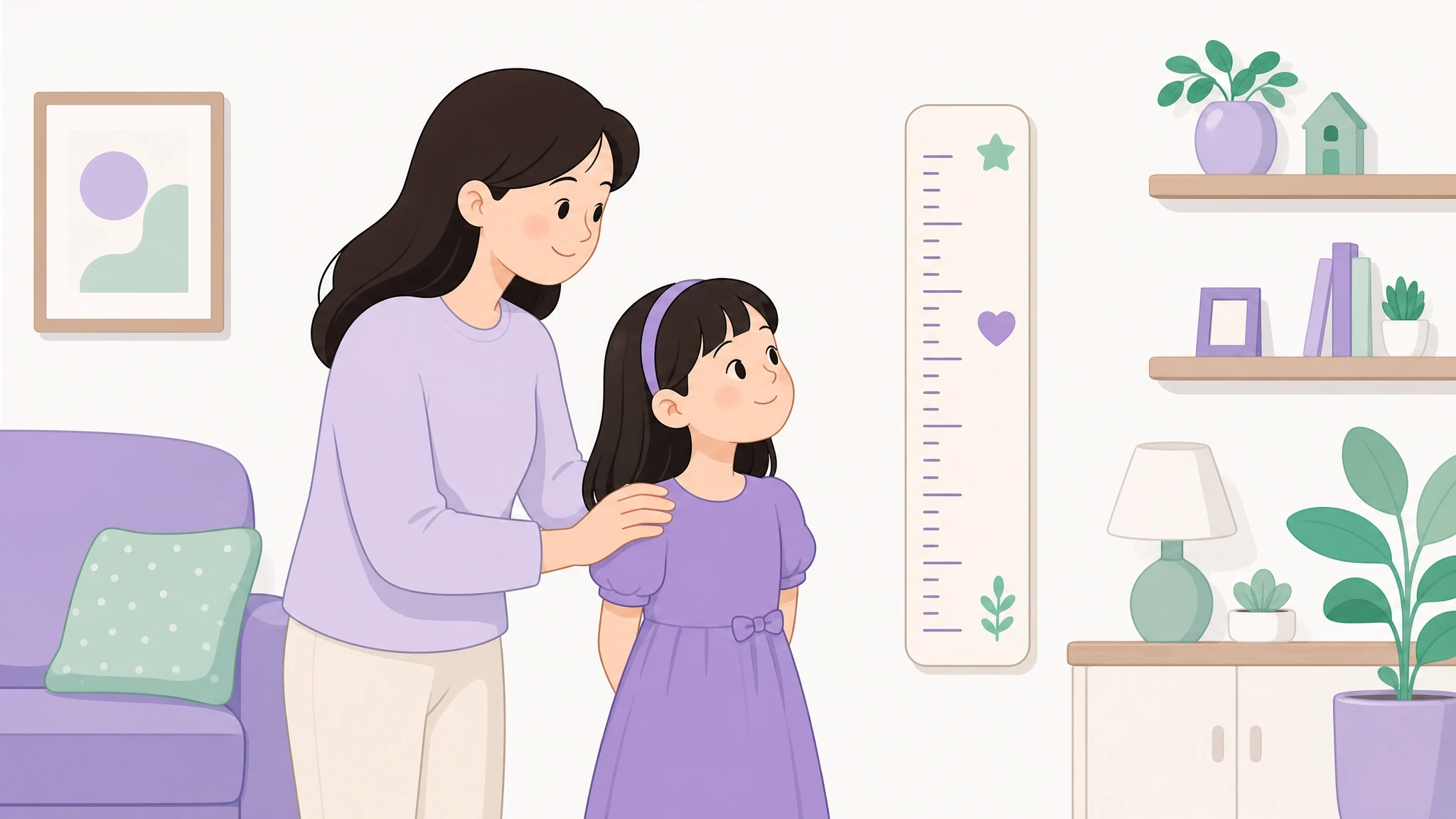
Noticing breast development at age 8 — or even in a 7 year old girl — is understandably alarming for any parent. You might be bathing your daughter or helping her change clothes when you spot a small lump or puffiness beneath one or both nipples. These are called breast buds, and they are the earliest physical sign of puberty in girls. The question every parent immediately asks is: is this precocious puberty?
The short answer is: it depends on age and how quickly other changes follow. In girls, the average age for breast development to start is around 10 to 11 years old, with a first period typically following at 12 to 13. If breast buds appear before age 8, this falls outside the normal range and warrants a specialist evaluation. That said, improved nutrition and environmental factors are shifting puberty timelines globally, so an isolated finding does not automatically mean your child has a medical condition. Context and clinical assessment both matter enormously.
What Is Precocious Puberty and Why Does It Matter?
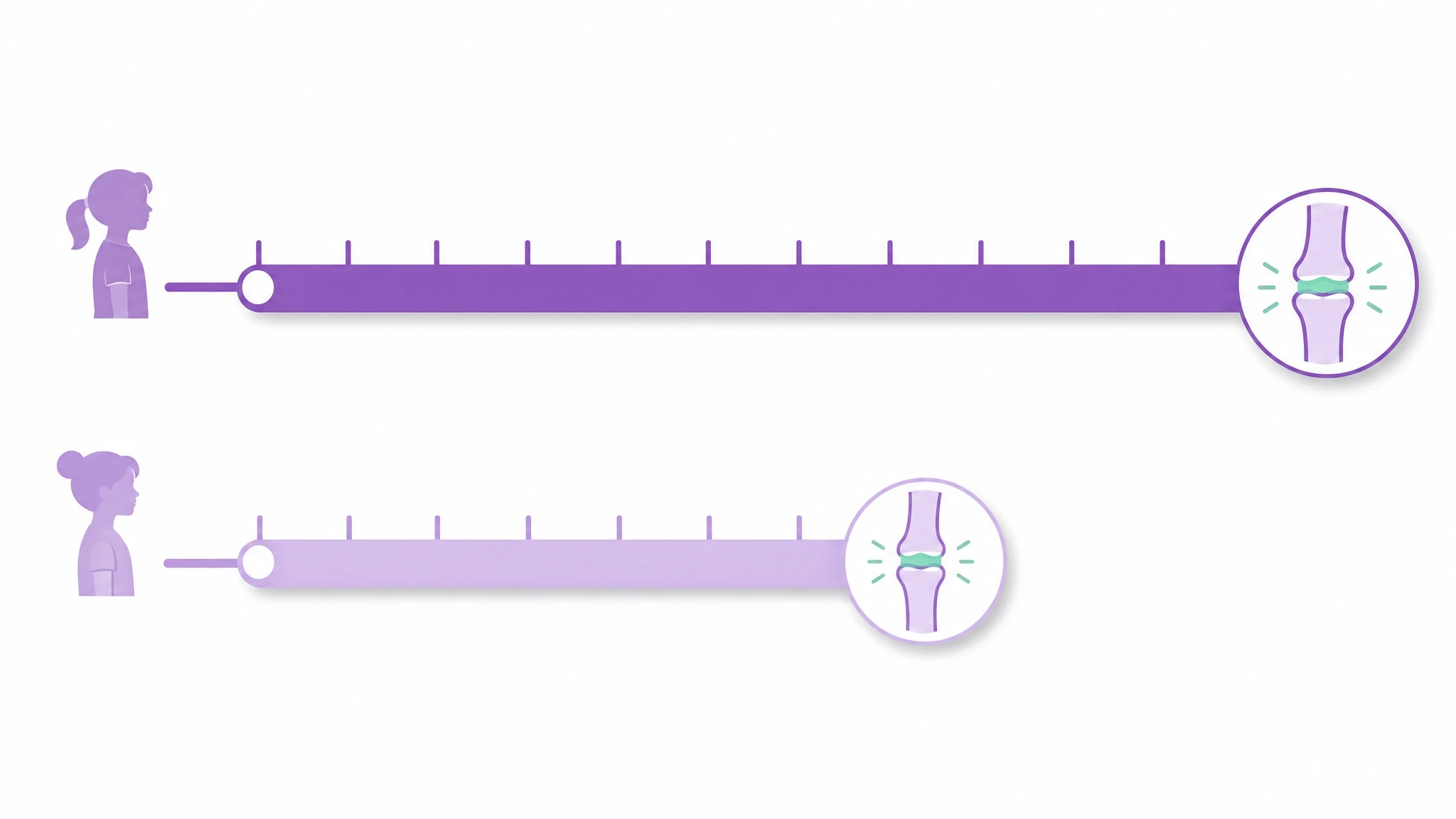
Precocious puberty is defined as the appearance of secondary sexual characteristics before age 8 in girls and before age 9 in boys — at least two years earlier than the typical population average. Breast buds are the earliest and most common sign of precocious puberty in girls, which is why early breast development immediately raises this concern.
There are two main reasons why precocious puberty matters beyond the physical changes themselves:
- Impact on final adult height. When puberty starts early, the growth plates in the long bones accelerate toward closure. Children may experience a brief but intense growth spurt, appearing tall for their age — only to stop growing much sooner than peers. The result can be a significantly shorter adult height than the child's genetic potential would have allowed.
- Psychological and social challenges. A child whose body looks years older than her classmates faces real emotional stress. Teasing, self-consciousness, and exposure to social situations she is emotionally unready for are all documented concerns in early-maturing girls. Early intervention supports not only physical health but also emotional wellbeing.
Early Breast Development Self-Check: Signs to Watch in Girls

Parents are often the first to notice developmental changes, and a simple at-home self-check can help you decide whether a clinic visit is warranted. If you notice breast buds as early signs of puberty in your daughter, look for these accompanying signs:
- A firm, sometimes tender lump under one or both nipples (breast bud)
- Light pubic or underarm hair beginning to appear
- Increased body odor or oily skin and early acne
- A noticeable growth acceleration — clothes and shoes feeling suddenly too small
- Vaginal discharge (a common sign that menarche may be 6–12 months away)
For boys, the first sign is testicular enlargement, followed by pubic hair and a voice change. Any of these signs appearing before age 8 in girls or age 9 in boys should be discussed with a qualified healthcare provider promptly. One isolated breast bud without other signs is less urgent than multiple signs appearing together and progressing rapidly.
What to Do If You Suspect Precocious Puberty in Your Daughter
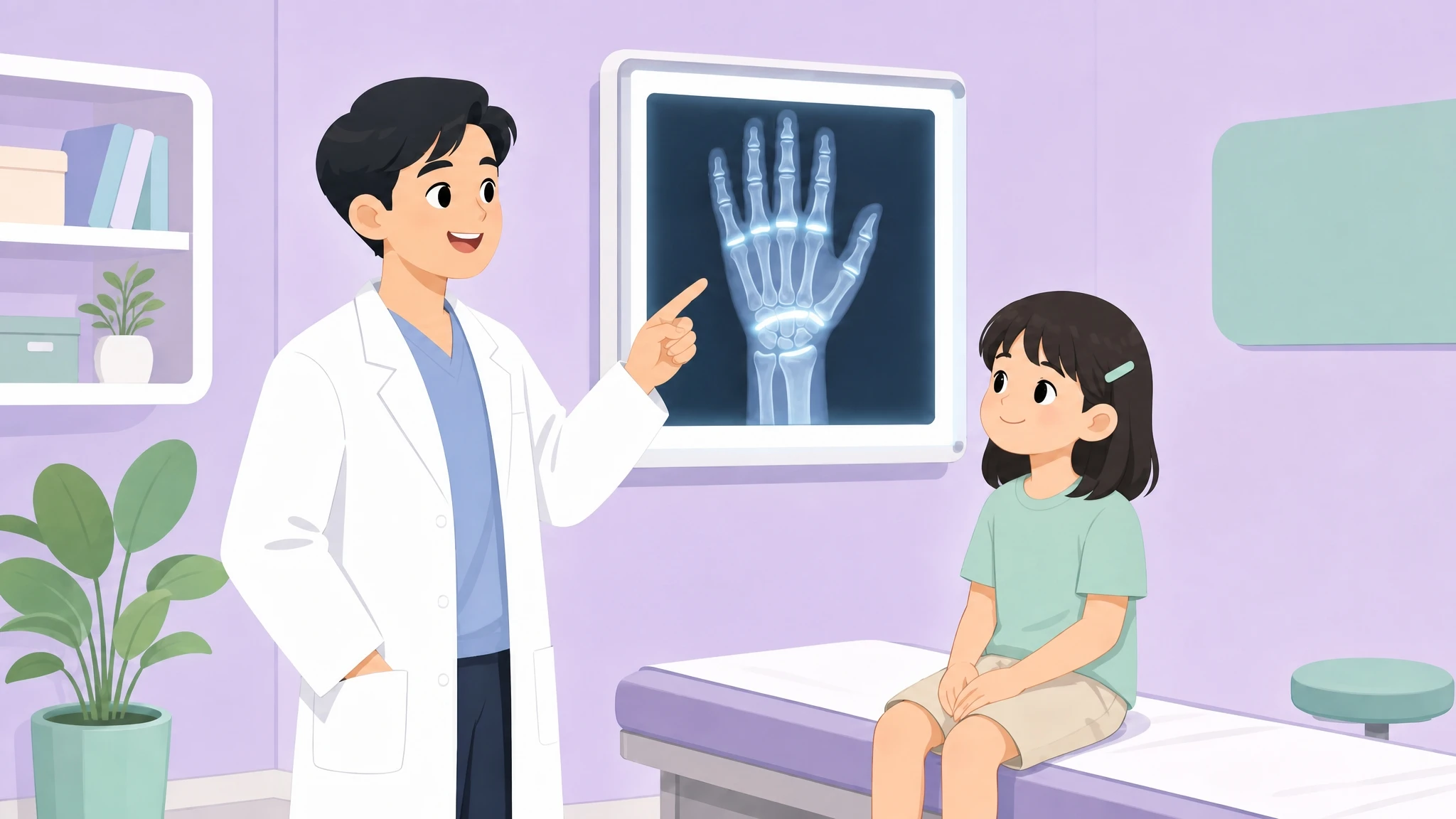
If you observe early breast development combined with other puberty signs, the most important next step is a professional evaluation — ideally at a pediatric growth or endocrine clinic. Waiting to see if changes resolve on their own is rarely advisable when multiple signs are present before age 8. A specialist will typically conduct the following assessments:
- Bone age X-ray. A single hand-and-wrist X-ray allows physicians to compare a child's skeletal maturity with her chronological age. If bone age is two or more years ahead, precocious puberty is strongly suspected and the window for intervention may be narrowing.
- Gonadotropin-stimulation blood test. This measures the levels of hormones (LH and FSH) that drive puberty, distinguishing true central precocious puberty from peripheral or benign causes.
- Growth plate assessment. Knowing whether the growth plates remain open guides treatment planning and adult height prediction.
- Physical examination and family history review. A detailed consultation covering the child's growth velocity, lifestyle, and family pubertal history helps complete the clinical picture.
If precocious puberty is confirmed, treatment typically involves monthly or quarterly injections of a GnRH analogue, which temporarily pauses puberty progression and protects growth plate closure — giving the child time to grow.
Why Early Evaluation Protects Your Child's Future Height

One of the most underappreciated consequences of untreated precocious puberty is its effect on height. A precocious puberty 7 year old girl who receives no intervention may grow rapidly between ages 7 and 9, reaching an apparent height advantage over classmates — and then stop growing at age 11 or 12 when her growth plates close prematurely. Studies consistently show that untreated early puberty results in a final adult height well below the child's mid-parental height potential.
When treatment is started early enough — ideally before bone age advances past the point of no return — the growth plates remain open longer. Children often gain several additional centimeters of adult height compared to the untreated trajectory. The earlier the evaluation, the more options remain on the table. This is why, if you are asking what to do about early breast development, the answer is always: get an expert opinion sooner rather than later.
How a Pediatric Growth Clinic Can Help

Specialized pediatric growth clinics combine bone age analysis, hormonal testing, and individualized management into a single coordinated care model. Physicians at these clinics see early puberty cases regularly and can distinguish benign thelarche (isolated breast tissue development with no other puberty progression) from true central precocious puberty — a distinction that changes the management plan entirely.
Treatment is never one-size-fits-all. Some children benefit from hormonal therapy; others benefit from lifestyle adjustments — reducing processed food intake, limiting exposure to endocrine-disrupting chemicals found in certain plastics, and establishing a consistent sleep schedule that protects natural growth hormone release. Parents who are concerned about breast buds as early signs of puberty in their daughter will find that an experienced growth specialist can map out the full picture and explain every option clearly, without pressure.
If you have noticed signs of early development and are unsure of the next step, reaching out to a qualified pediatric growth or endocrinology clinic is the most constructive action you can take for your child's long-term health and height potential.
FAQ
My 8-year-old has breast buds but no other puberty signs. Should I worry?
Isolated breast bud development without other signs can sometimes be benign premature thelarche, a non-progressive condition. However, because breast development at age 8 falls at the boundary of precocious puberty, a clinical evaluation is recommended. A bone age X-ray and a brief observation period will clarify whether this is isolated or the beginning of full early puberty.
If my daughter has precocious puberty, will she be shorter as an adult?
Without treatment, early puberty can reduce final adult height by causing growth plates to close prematurely. The extent depends on when puberty started and how quickly it progressed. When treatment begins early enough — typically before bone age advances significantly — children can recover much of their height potential. This is why early evaluation is so important.
What causes breast development to start early in girls?
The most common form is central precocious puberty, driven by early activation of the brain's hypothalamic-pituitary axis. Contributing factors include excess body weight (fat cells produce estrogen), exposure to endocrine-disrupting chemicals in certain plastics and pesticides, and occasionally underlying conditions such as tumors or hormonal disorders. In many cases no single cause is identified, but a specialist evaluation can rule out treatable causes.
References
- Precocious puberty and statural growth. Human reproduction update. 2004. PubMed · DOI
- Recent secular trends in pubertal timing: implications for evaluation and diagnosis of precocious puberty. Hormone research in paediatrics. 2012. PubMed · DOI
- Central precocious puberty: a review of diagnosis, treatment, and outcomes. The Lancet. Child & adolescent health. 2023. PubMed · DOI
- Central precocious puberty: current treatment options. Paediatric drugs. 2005. PubMed · DOI
- Predictors of bone maturation, growth rate and adult height in children with central precocious puberty treated with depot leuprolide acetate. Journal of pediatric endocrinology & metabolism : JPEM. 2018. PubMed · DOI