What Is Bone Age — and Why Does It Differ From Chronological Age?
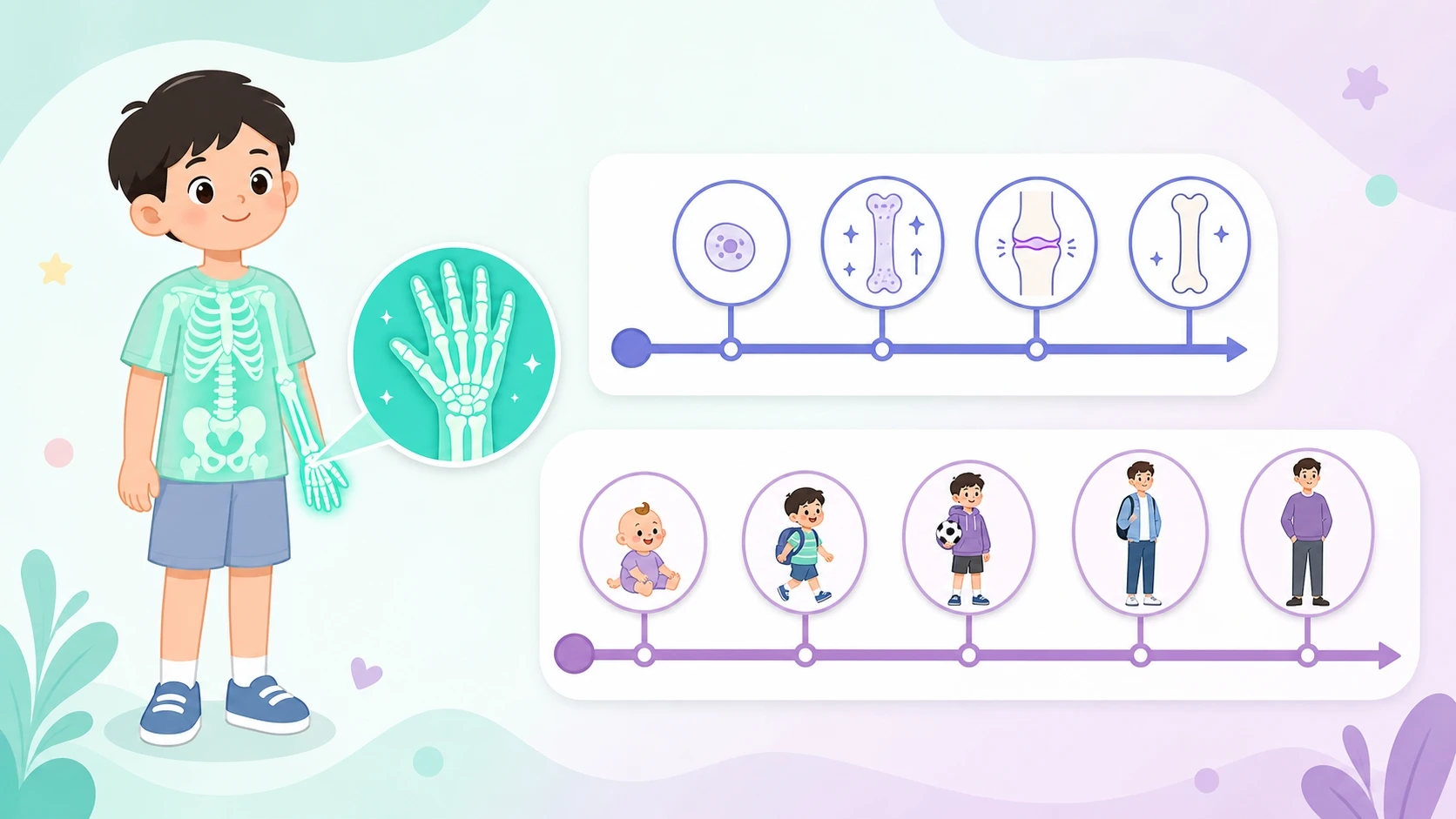
A bone age x-ray for height prediction is one of the most powerful tools pediatric growth specialists use to understand a child's development. While chronological age simply counts the years since birth, skeletal age vs chronological age compares how mature a child's bones actually are against how old they are on paper — and the two numbers can differ by years.
Every child's skeleton matures at its own pace. A 9-year-old whose bones look like those of an 11-year-old is biologically two years ahead of schedule. A child whose bones match a 7-year-old still has more growing room ahead. This gap — the difference between skeletal age and chronological age — is the single most reliable clue doctors have about how much height a child still has left to gain and when growth will likely stop.
How a Bone Age Test Is Done
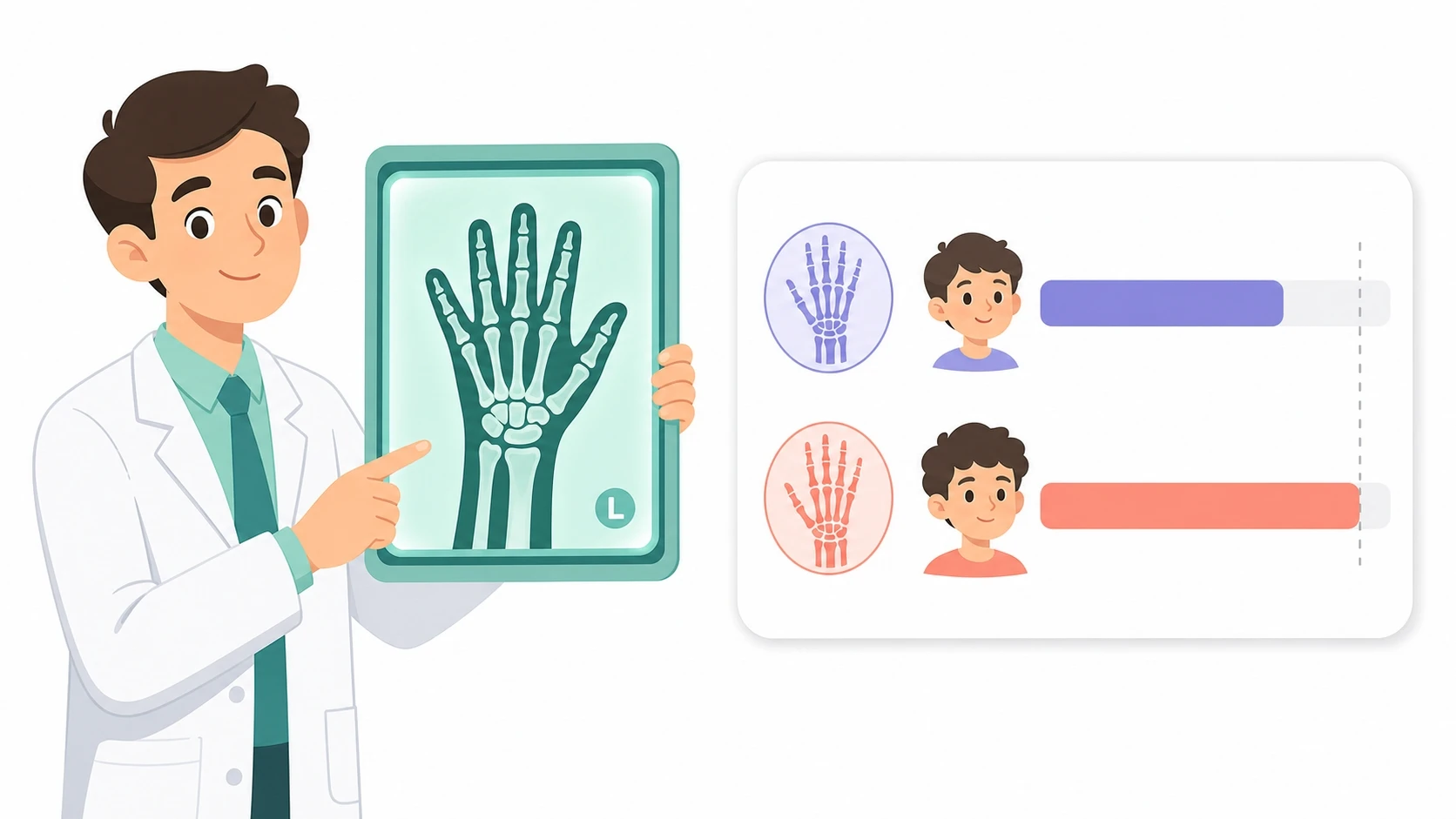
A bone age test for a child is straightforward and completely safe. The child rests their left hand flat on an X-ray plate while a brief, low-dose image is captured of the hand and wrist. The left hand is chosen for a practical reason: it contains dozens of small bones whose growth stages are visible and well-documented, making it the most reliable site for assessing skeletal maturity. Because most children do not rely heavily on their left hand, the test causes no disruption to daily activity.
Once the image is captured, a growth specialist compares the size, shape, and development of each bone against standardized reference atlases — the most widely used being the Greulich and Pyle atlas and the Tanner-Whitehouse method. The resulting skeletal age, typically expressed in years and months, feeds directly into calculations for how bone age predicts adult height.
What the X-Ray Reveals: Open vs. Closed Growth Plates
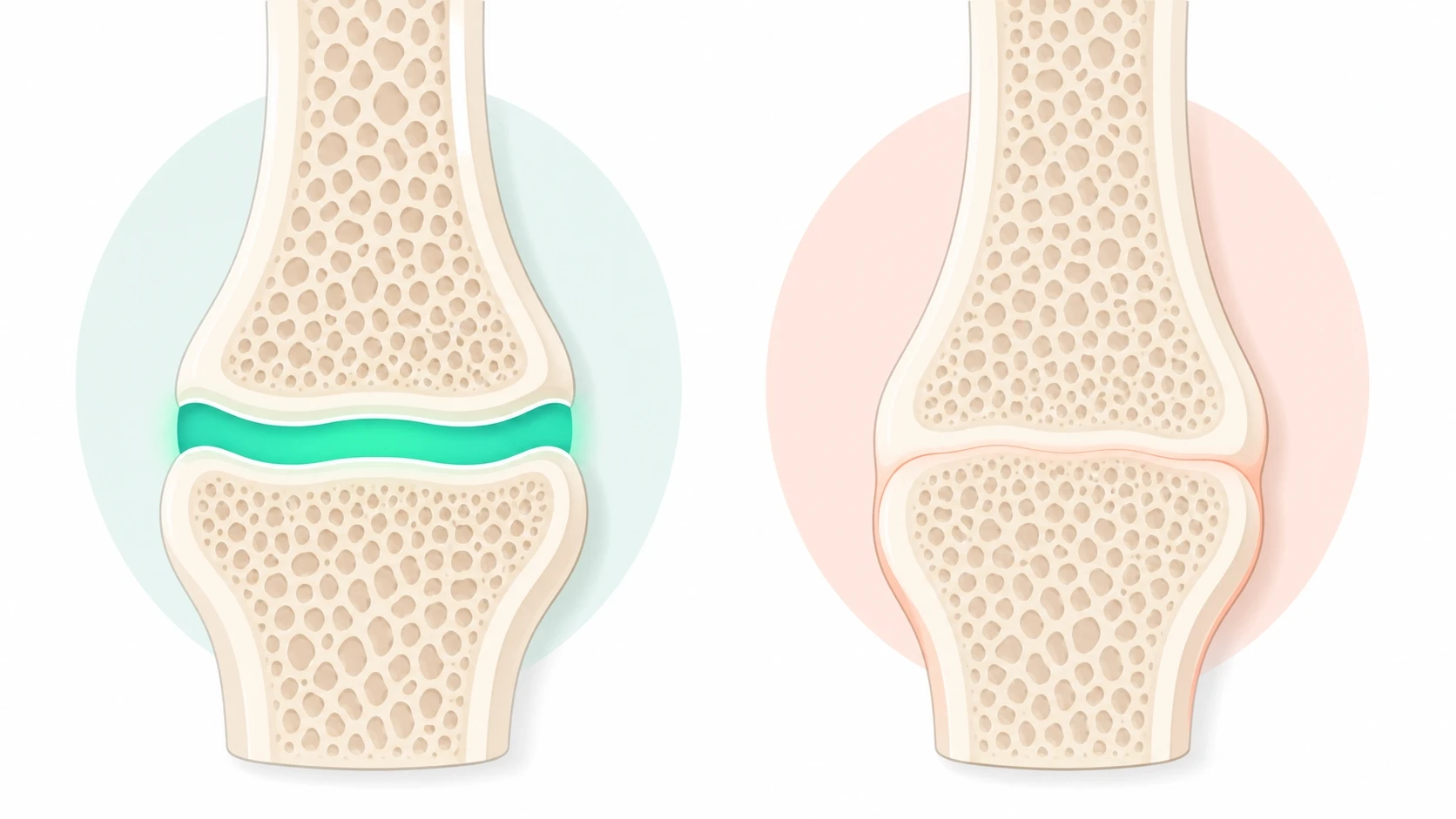
The most critical information a bone age x-ray for height prediction provides is the status of the growth plates — thin layers of cartilage at the ends of long bones where new bone tissue is formed. As long as growth plates remain open, the bones can lengthen and height can increase. Once they fuse and close, upward growth stops permanently.
On an X-ray, an open growth plate appears as a distinct dark gap between the shaft and the end of the bone. As the plate begins to fuse, that gap narrows and fades. When fusion is complete, the gap disappears entirely and the bone looks seamlessly solid. A specialist reading this image can classify the plate as fully open, partially closing, or fully fused — giving parents and doctors an accurate sense of how much growing time remains.
Understanding skeletal age vs chronological age in this context is crucial: a child whose bone age is significantly ahead of their calendar age may have growth plates that are closing faster than expected, which can limit final adult height if not identified early.
How Bone Age Predicts Adult Height

Knowing how bone age predicts adult height requires combining three data points: the child's current height, their skeletal age, and population-based growth standards. Using validated formulas — such as the Bayley-Pinneau method — a specialist can estimate the height percentile a child is tracking at, then project that percentile forward to adulthood.
If a child's bone age matches their chronological age exactly, their predicted adult height is relatively straightforward to calculate. But the real value emerges in cases of mismatch. A child who is 10 years old chronologically but has a bone age of 12 has less skeletal runway left than their peers — their final height estimate may be lower than the parent-height formula alone would suggest. Conversely, a 10-year-old with a bone age of 8 still has more growth potential ahead, and intervention, if needed, has a wider window to work within.
When Should a Child Have a Bone Age X-Ray?
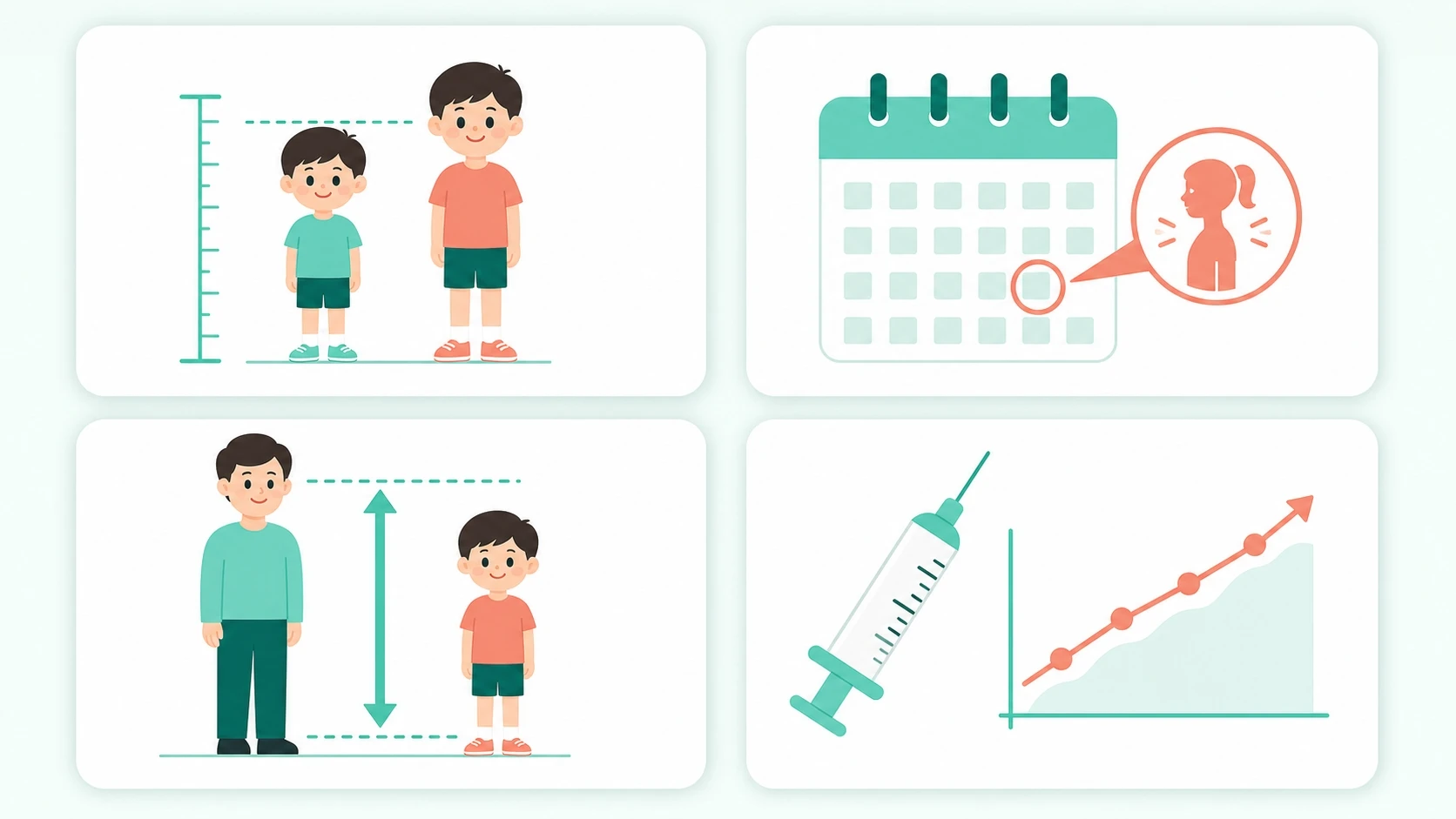
A bone age test for a child is not only for families worried about short stature. Specialists recommend it in several common situations:
- Short stature or slow growth: If a child is consistently below the 3rd height percentile or growing less than about 4 cm per year, skeletal age helps identify whether growth hormone deficiency or another underlying cause is involved.
- Suspected precocious puberty: When signs of puberty appear before age 8 in girls or age 9 in boys, a bone age x-ray can confirm whether skeletal maturation is racing ahead — a key diagnostic criterion, since early plate closure is one of the main ways precocious puberty can reduce final height.
- Monitoring growth hormone therapy: Children receiving growth hormone treatment typically have bone age assessed every 6–12 months to confirm that treatment is effective and that bone maturation is not accelerating disproportionately.
- Predicted adult height planning: Even without a medical concern, understanding skeletal age vs chronological age helps parents and clinicians set realistic goals and decide whether lifestyle or medical interventions are worth exploring.
What Comes After the X-Ray: The Full Picture

A bone age x-ray for height prediction is most valuable when it is part of a comprehensive evaluation rather than a standalone snapshot. Pediatric growth specialists interpret skeletal age alongside the child's chronological age, current height and weight, pubertal development stage, mid-parental height, and daily lifestyle habits — sleep quality, nutrition, and physical activity.
This holistic view allows specialists to create a personalized growth plan rather than a one-size-fits-all response. In some cases, the X-ray reveals that no medical intervention is needed and that consistent sleep and nutrition habits are sufficient. In others, it flags that time is shorter than expected and that a specialist consultation should not be delayed.
If you are curious about your child's bone age or want to understand how bone age predicts adult height in their specific case, a consultation with a pediatric growth specialist can provide clarity and, where appropriate, a tailored management approach.
Disclaimer: This article is for educational purposes only. Individual results vary. Consult a qualified medical professional for personalized advice.
FAQ
How accurate is bone age x-ray for height prediction?
When performed by a trained specialist and interpreted alongside other clinical data, bone age estimates are generally accurate within a range of about 6–12 months of skeletal maturity. Height predictions derived from bone age carry a margin of roughly 4–6 cm in either direction, meaning they are directional guides rather than exact figures. Accuracy improves when the X-ray is combined with the child's current growth velocity, parental heights, and pubertal staging.
Is a bone age x-ray safe for children?
Yes. A hand and wrist X-ray involves a very low dose of radiation — far below levels associated with any health risk. The procedure takes only a few seconds and requires no special preparation or sedation. Major pediatric and endocrinological organizations worldwide consider it a routine and appropriate diagnostic tool when clinically indicated.
What is the difference between skeletal age and chronological age, and why does it matter?
Chronological age is simply how many years a child has been alive since birth. Skeletal age reflects how mature the bones actually are, based on their size, density, and the status of growth plates visible on X-ray. When skeletal age runs ahead of chronological age, growth plates may close sooner, potentially limiting final height. When skeletal age lags behind, more growing time remains. This difference is why two children the same age and current height can have very different predicted adult heights.
References
- Validation of bone age methods by their ability to predict adult height. Hormone research in paediatrics. 2010. PubMed · DOI
- Prediction of adult height based on automated determination of bone age. The Journal of clinical endocrinology and metabolism. 2010. PubMed · DOI
- Prediction of adult height from height, bone age, and occurrence of menarche, at ages 4 to 16 with allowance for midparent height. Archives of disease in childhood. 1975. PubMed · DOI
- Automatic bone age assessment for adult height prediction in children with congenital adrenal hyperplasia. Journal of pediatric endocrinology & metabolism : JPEM. 2026. PubMed
- Prediction of adult height from height and bone age in childhood. A new system of equations (TW Mark II) based on a sample including very tall and very short children. Archives of disease in childhood. 1983. PubMed · DOI