Why Physical Activity Is One of the Most Powerful Tools for Height Growth
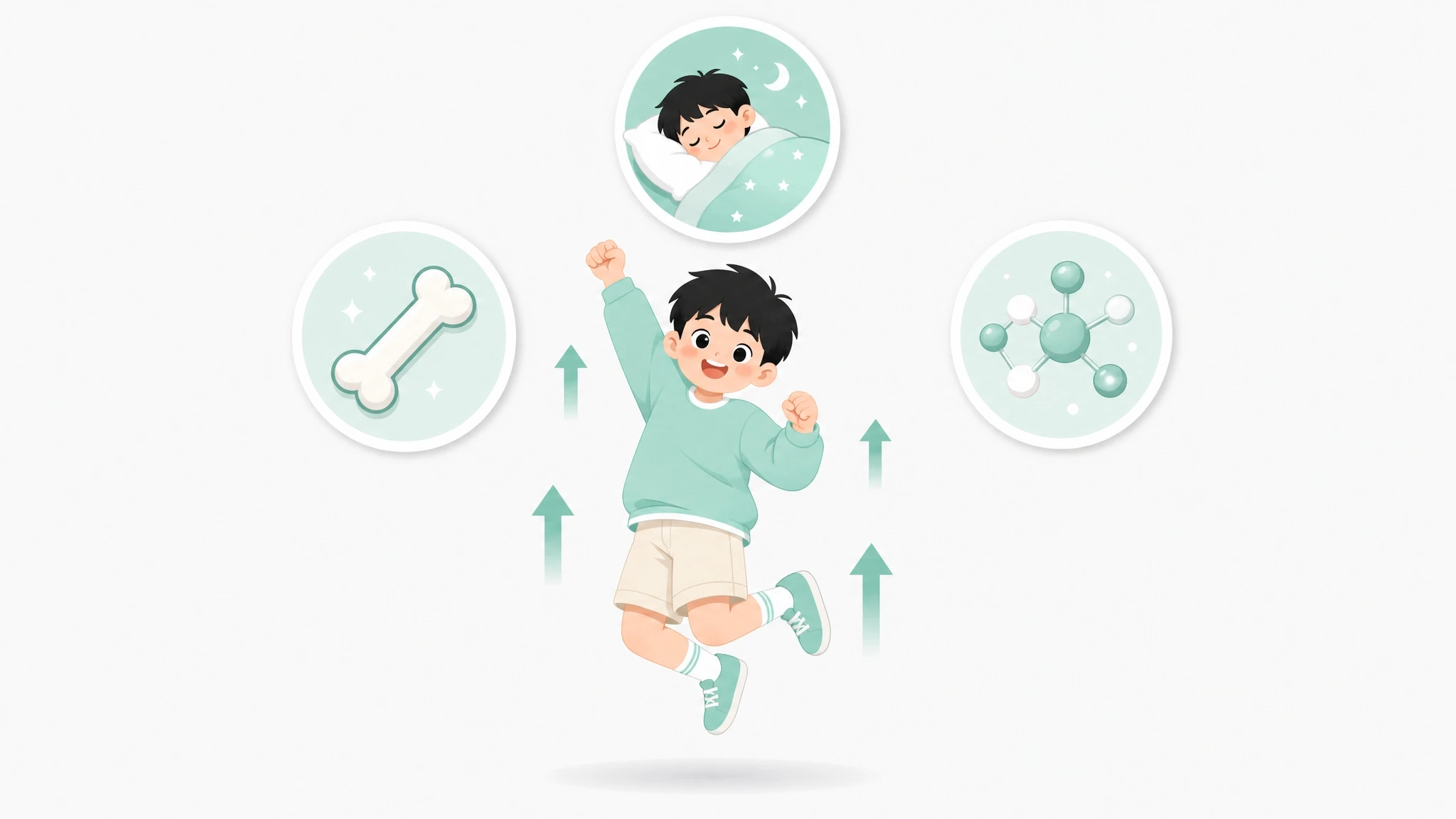
The best sports for child height growth are not random — they work through specific biological pathways that parents should understand before choosing activities for their children. Weight-bearing and jumping exercises apply gentle mechanical stress to the long bones, which signals growth plates to become more active. At the same time, vigorous physical activity triggers a surge in growth hormone secretion, particularly in the 30 to 60 minutes after exercise ends. Regular movement also deepens sleep quality, and since the largest daily release of growth hormone happens during slow-wave sleep, the two habits reinforce each other powerfully. Beyond bone length, exercise strengthens muscles, ligaments, and the postural muscles of the spine — meaning a child who moves well also stands taller and carries their height more visibly. Understanding this mechanism helps parents prioritize movement not as optional enrichment, but as a genuine contributor to their child reaching full genetic potential.
Toddlers and Preschoolers (Ages 0–6): Movement Through Play
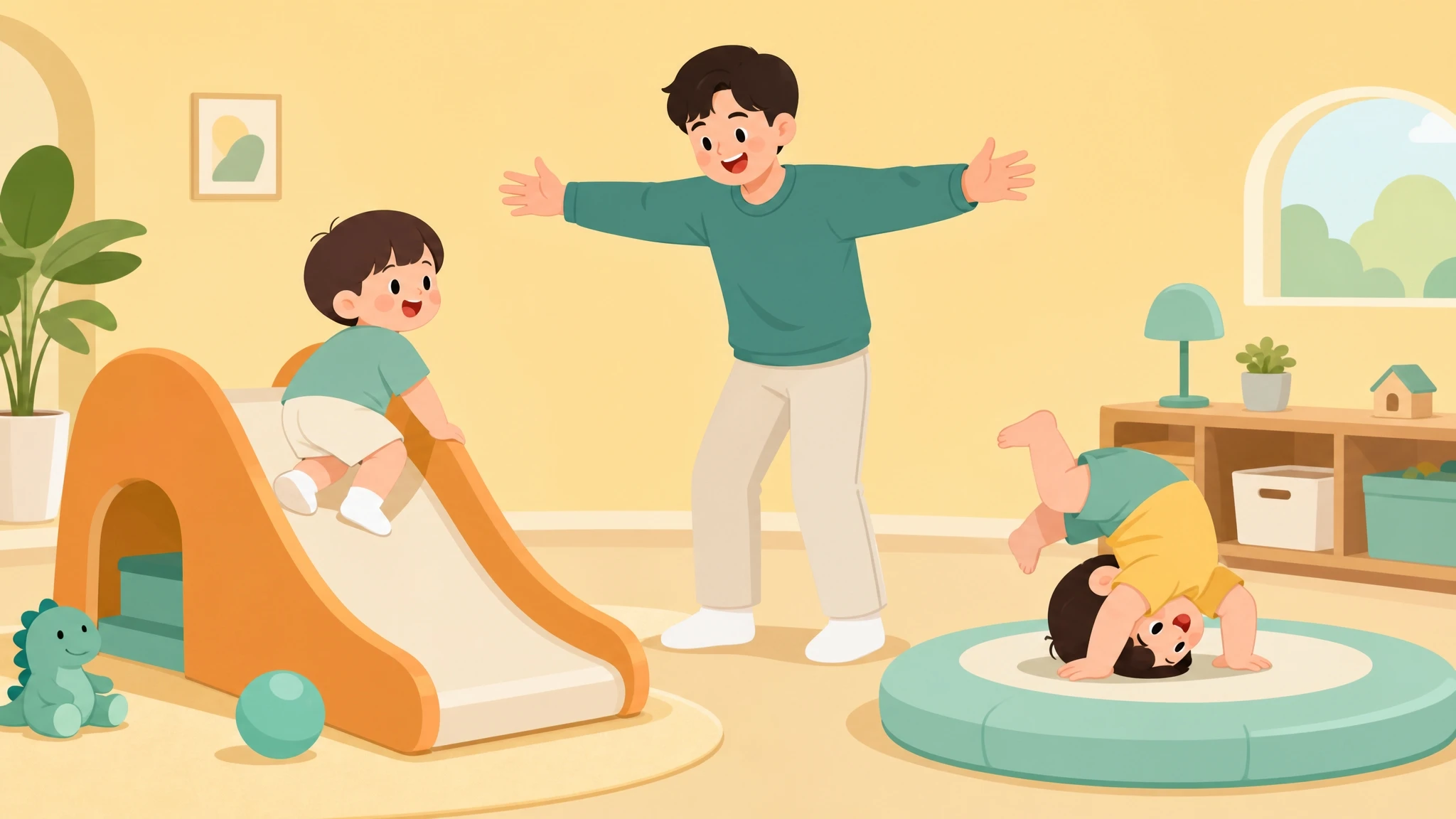
For the youngest children, the priority is not structured sport — it is abundant, joyful movement. Toddler to teen growth exercises begin here, at the most foundational stage. Running, rolling, climbing, crawling, and balancing on uneven surfaces all lay down the neuromuscular patterns that support healthy bone development. Forcing a structured regimen at this age can backfire; children who feel pressured may resist movement altogether. Instead, parents should create environments where physical play is the natural default: open spaces, sandbox exploration, simple obstacle courses, and active games like tag or hide-and-seek. Swimming, dancing to music, and playground climbing frames are excellent choices because they engage the whole body without repetitive loading on any single joint. The most important variable is time — children in this age group benefit from at least 60 minutes of free active play per day. Parental participation matters enormously; children move more and more joyfully when caregivers join in.
Early Elementary Years (Ages 7–9): Building a Base with Age-Appropriate Exercise to Grow Taller
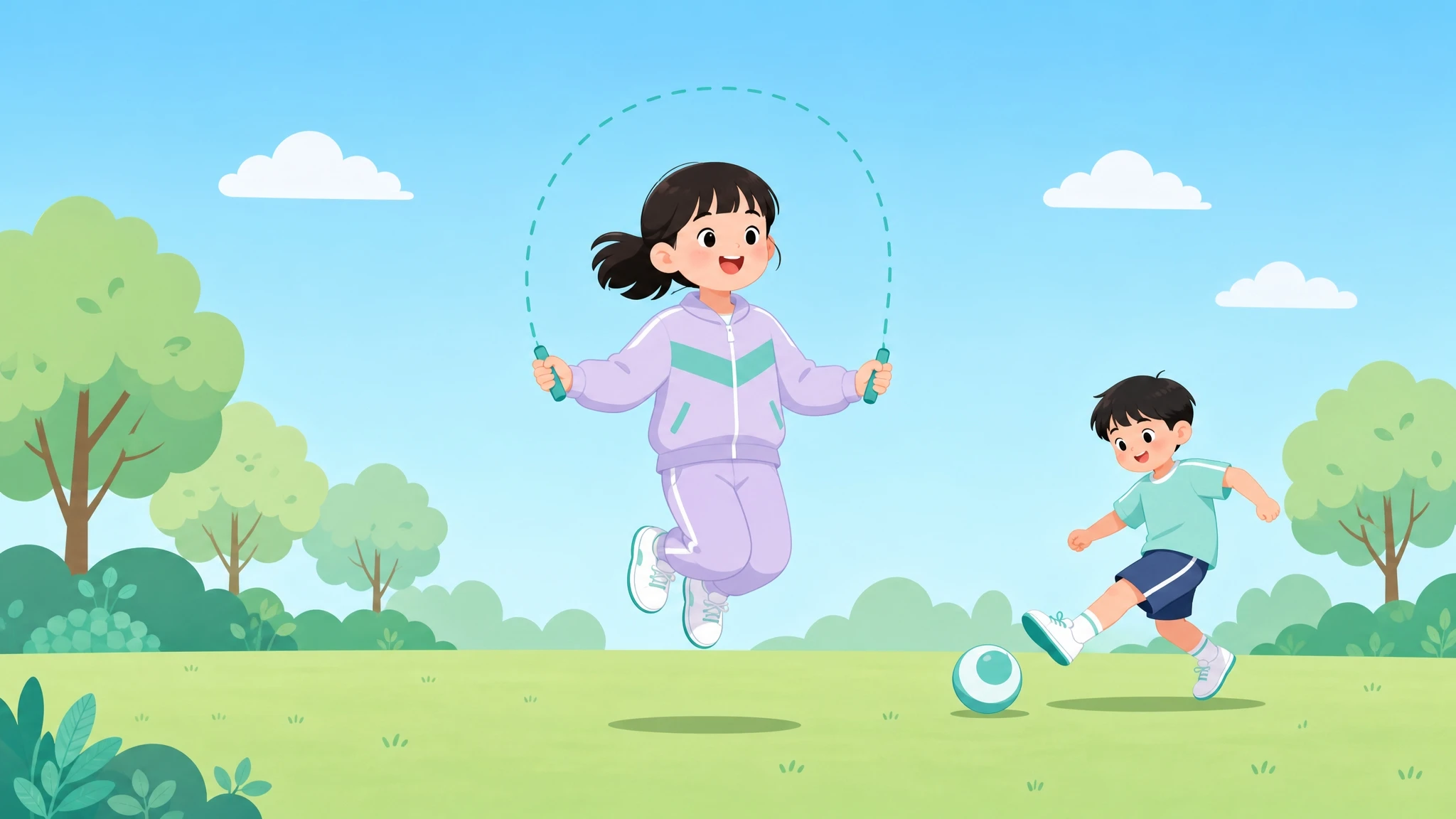
Children in this window begin developing the coordination and stamina to benefit from more structured age-appropriate exercise to grow taller. The growth plates in the lower limbs are especially receptive to impact loading at this stage, making jump-heavy activities particularly valuable. Jump rope is one of the most effective and affordable options available — it combines rhythmic impact, cardiovascular effort, and full-body coordination. Swimming is an excellent complement because it develops shoulder and back musculature without compressive joint loading, which supports spinal elongation and posture. Group sports such as soccer, basketball (modified rules), and martial arts introduce lateral movement patterns that promote balanced lower-body development. The goal at this age is breadth, not depth: expose children to several different types of movement rather than specializing early. Research consistently shows that early sport specialization increases injury rates while offering no long-term performance advantage. Aim for at least three active sessions per week, each lasting 30 to 60 minutes, and keep the atmosphere low-pressure and social.
Upper Elementary Years (Ages 10–12): Peak Growth Plate Activity and Physical Activity for Height by Age
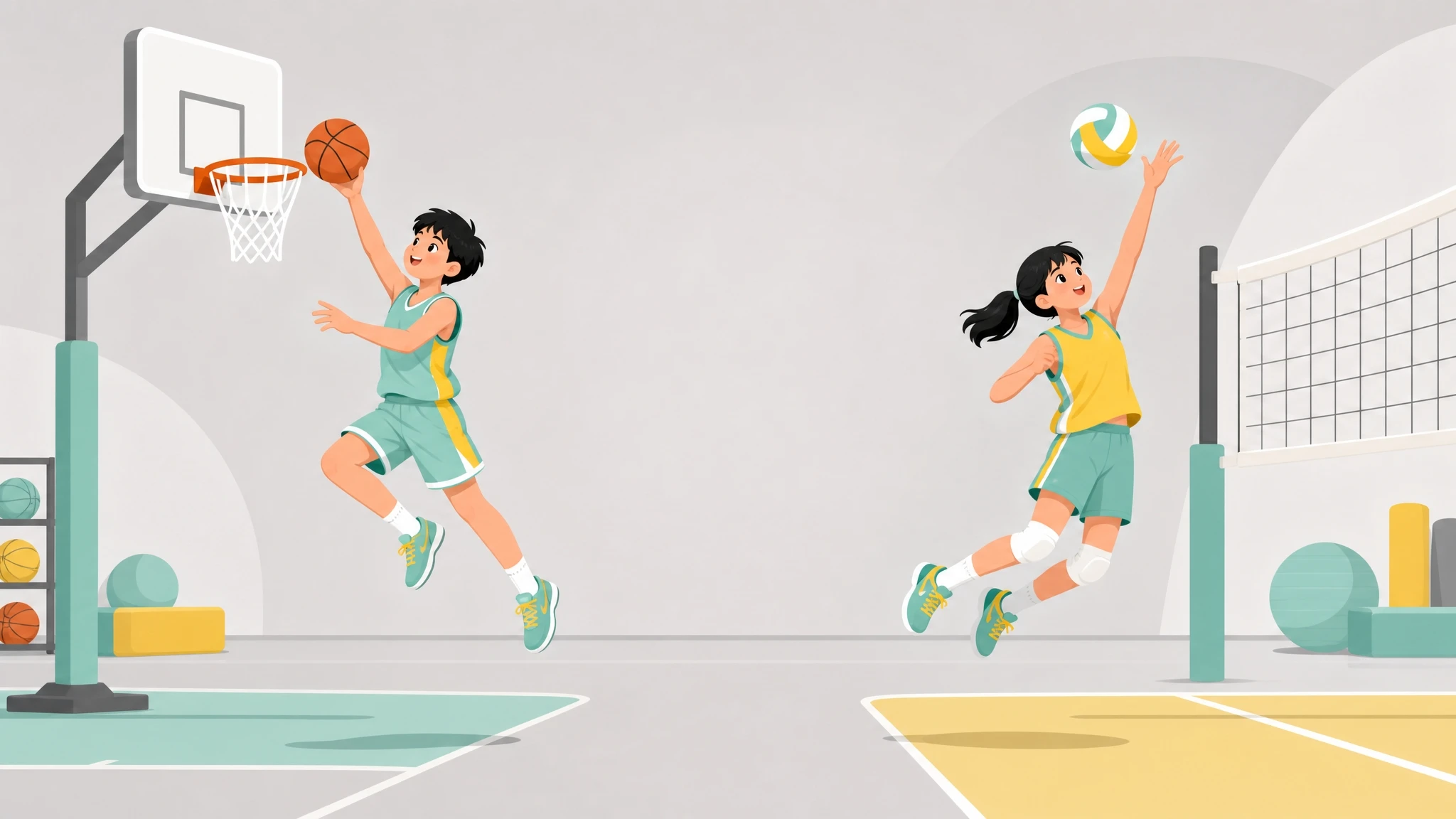
The period from 10 to 12 years old is widely recognized as one of the most productive windows for physical activity and height by age. Growth plates in the long bones are highly active, growth hormone secretion is increasing as puberty approaches, and children are capable of maintaining effort through team sport and skill practice. Basketball is frequently cited as one of the single best sports for height development at this stage: it combines repeated jumping, sprinting, lateral cuts, and upper-body reach — all of which load the skeleton in different planes and stimulate growth from multiple angles. Volleyball and badminton are similarly effective. Swimming continues to be valuable for spinal lengthening and posture. Bodyweight resistance exercises — squats, lunges, push-ups — can be introduced under guidance; these build the supporting muscle mass that helps children stand taller and protects joints during the growth spurts ahead. One caution: heavy barbell or machine-based weightlifting with significant loads is not appropriate at this age because compressive forces on open growth plates carry injury risk. Consistency across three to five sessions per week, combined with proper warm-up and cool-down stretching, produces the best outcomes.
Teenagers (Ages 13–18): Sustaining Growth and Correcting Posture
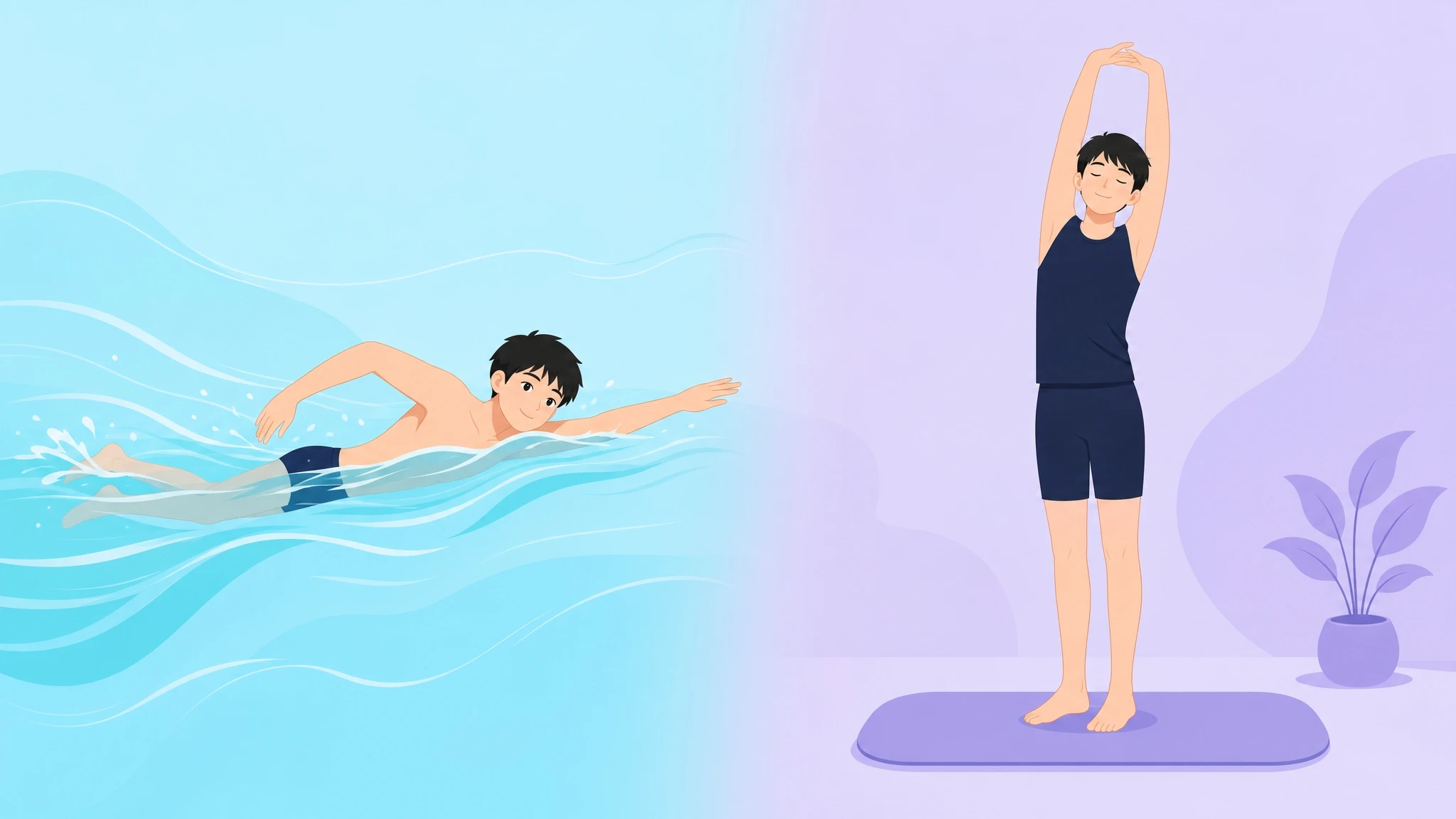
As adolescence progresses, growth plates begin closing — earlier in girls (typically around 15 to 16) and later in boys (typically 17 to 19). Yet consistent exercise remains critical through the entire teenage window. For teens who still have open growth plates, sports like basketball, volleyball, swimming, and running continue to provide meaningful stimulus. For those approaching the end of their growth phase, the focus shifts: flexibility training, yoga, and Pilates help decompress the spine and correct postural habits that may be visually reducing apparent height by several centimeters. Forward head posture and thoracic kyphosis — common in teenagers who spend hours studying or on screens — mechanically compress vertebral discs and reduce standing height measurably. Targeted postural exercises and core strengthening address this directly. Light guided weight training (with proper supervision and age-appropriate loads) supports muscle balance around the spine and hips. The single most important message for this age group: even 20 to 30 minutes of daily movement is far more valuable than occasional intensive sessions, especially during exam-heavy periods when schedules tighten. Consistency wins over intensity.
The Lifestyle Factors That Multiply the Benefits of Exercise

Exercise delivers its greatest height-supporting benefits when paired with three other non-negotiable habits. First, sleep: growth hormone is released in its largest daily pulse during the first cycle of deep slow-wave sleep, typically within 90 minutes of falling asleep. Children aged 6 to 12 need 9 to 11 hours nightly; teenagers need 8 to 10 hours. Consistent bedtimes matter as much as total duration. Second, nutrition: protein provides the raw amino acid building blocks for bone matrix and muscle tissue; calcium and vitamin D work together to mineralize new bone laid down at growth plates; zinc supports cellular growth signaling. Processed foods and high-sugar diets can blunt insulin sensitivity and promote early fat-cell estrogen production, which accelerates growth plate closure — a particular concern for children already showing early pubertal signs. Third, stress management: chronically elevated cortisol suppresses growth hormone secretion. Children carrying heavy academic or social stress may exercise regularly and still see blunted growth velocity. Emotional safety and adequate free time are therefore genuine growth factors, not luxuries. When these three pillars support an active lifestyle, the effect on height potential is substantially larger than any single intervention alone.
When to Consider a Professional Growth Evaluation
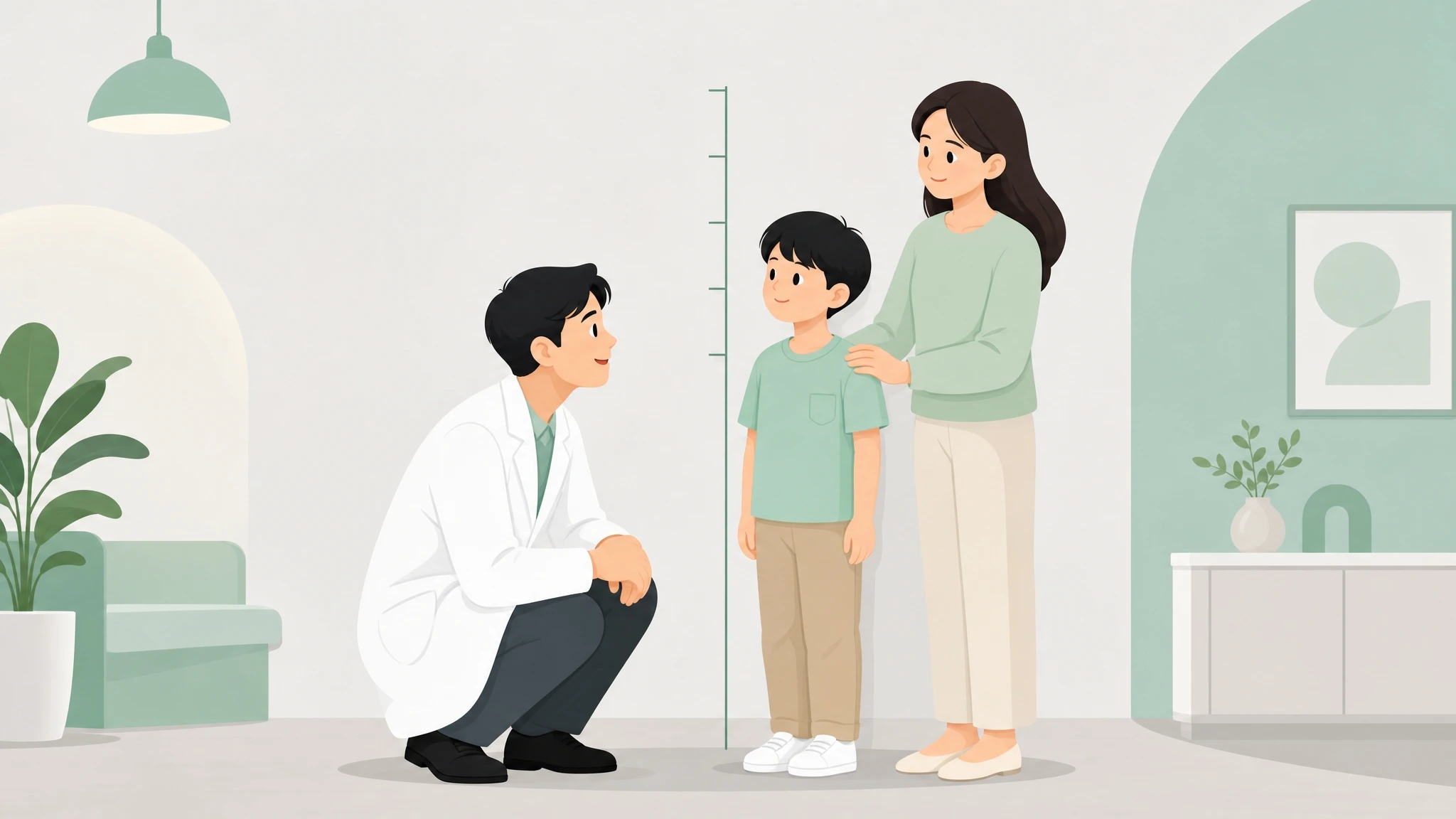
Even a well-designed exercise routine and healthy lifestyle may not be sufficient if an underlying medical factor is limiting a child's growth velocity. Parents who notice their child growing less than 4 to 5 centimeters per year, falling further behind peers over consecutive years, or showing signs of early puberty alongside short stature may benefit from a formal growth evaluation. A pediatric growth specialist can perform a bone age X-ray to assess how much growth potential remains, calculate a predicted adult height based on current skeletal maturity, and identify any hormonal or nutritional factors that may be holding the child back. This kind of evaluation is most actionable before growth plates close, which is why timing matters. Seeking a professional assessment is not an overreaction — it is a way to gather objective data so that lifestyle choices, and if needed medical support, can be calibrated to the individual child's actual trajectory rather than general guidelines.
FAQ
What is the single best sport for a child's height growth?
No single sport tops every age group, but basketball is consistently ranked among the most effective for children aged 10 and older because it combines repeated jumping, sprinting, and reaching — all of which stimulate the long bones and trigger growth hormone release. For younger children, jump rope and swimming offer similarly broad benefits. The best choice is ultimately the one the child enjoys enough to do consistently, since regularity matters more than the specific activity selected.
Can too much exercise stop a child from growing?
Excessive training volume — particularly in elite young athletes training 15 or more hours per week — can suppress growth hormone through chronic physical stress and, in girls, disrupt the hormonal cycle needed for healthy bone development. However, the recreational exercise volumes appropriate for most children (30 to 60 minutes per day) are not harmful and are actively beneficial. The risk zone involves elite sport specialization before age 12 combined with caloric restriction, not ordinary active play.
At what age should children stop trying to grow taller through exercise?
Growth plates typically close between ages 15 and 17 in girls and 17 and 19 in boys, though this varies by individual and can be assessed precisely through a bone age X-ray. Until growth plates are confirmed closed, appropriate exercise can still contribute to height. After closure, exercise no longer adds bone length but continues to improve posture, spinal decompression, and the appearance of height — making it worthwhile at any age.
References
- Impact exercise increases BMC during growth: an 8-year longitudinal study. Journal of bone and mineral research : the official journal of the American Society for Bone and Mineral Research. 2008. PubMed · DOI
- Ground reaction forces associated with an effective elementary school based jumping intervention. British journal of sports medicine. 2005. PubMed · DOI
- Anaerobic power and muscle strength characteristics of 11 years old elite and non-elite boys and girls from gymnastics, team handball, tennis and swimming. Scandinavian journal of medicine & science in sports. 2002. PubMed · DOI
- Relationship between vertical jumping performance and anthropometric characteristics during growth in boys and girls. European journal of pediatrics. 2009. PubMed · DOI
- Skeletal age prediction model from percentage of adult height in children and adolescents. Scientific reports. 2020. PubMed · DOI