
Your child's height,
are you worried?
With the right care,
they can still grow taller
187 Growth Clinic finds why each child isn't growing, and supports them with personalized care.

Does my child need a growth check?
If any of these apply, consider a check
-
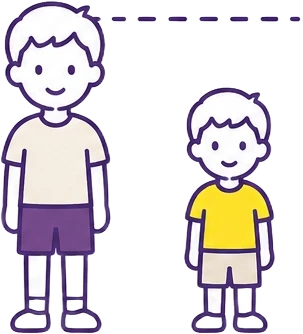 Visibly shorter than peers
-
 Slow growth in the past 12 months
-
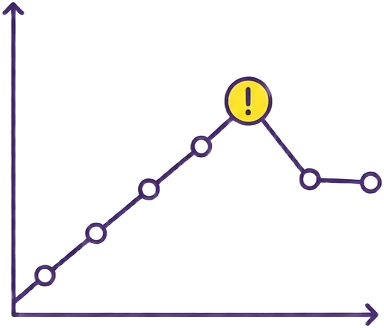 Sudden shift in growth velocity
-
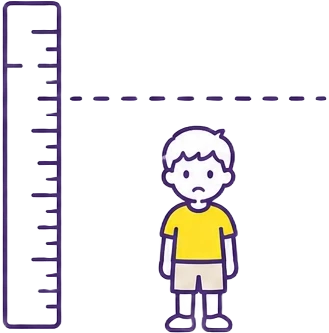 10 cm or more below average height
-
 Posture or body imbalance present
-
 Possible hormonal irregularity
The golden window for growth treatment
When should you check height growth?

How well growth treatment works depends on the state of the growth plates and the pace of puberty. An assessment can be done independently of treatment — if the growth pace concerns you, it's worth checking the current status first.
Integrated growth care
Growth care goes beyond growth hormone
We manage growth from every angle
187 Growth Clinic manages not only growth hormone but also sex hormones, sleep, thyroid, stress, weight, posture, and many more factors. We identify what is holding back your child's growth and design a personal growth plan.
Growth hormone balance
Growth hormone is not released evenly through the day. 60–70% of a night's output comes during the deepest stage of sleep (slow-wave sleep), concentrated in the first one to two hours after falling asleep. So we look not only at hormone levels but at whether the conditions for releasing that hormone are actually in place.
Sex hormone & thyroid care
Sex hormones make a child grow — and at the same time they close the growth plates. When puberty starts early, the plates can close two to three years sooner than in peers, shortening the total time left to grow. And if something else is behind the slow growth, such as an underactive thyroid, that cause is addressed first.
Sleep management
How deeply a child sleeps matters more than what time they lie down. A child who goes to bed early but wakes often, or sleeps lightly, still misses much of that release. We work on keeping screens away for one to two hours before bed and settling into a dark, quiet room at a consistent hour.
Weight & nutrition
Both excess weight and being underweight are warning signs for growth. Excess body fat can flip the puberty switch early through leptin and other signals, pushing bone age ahead of calendar age. The aim is not simply eating less, but holding a healthy weight while filling in protein, calcium, vitamin D and zinc.
Height-stimulating exercise
Up-and-down movement — jump rope, basketball, volleyball — stimulates the growth plates most effectively. Three to five times a week, 30 to 60 minutes, at an intensity that leaves a child slightly out of breath. Training that is too hard for the child can set growth back through injury and stress, so intensity is adjusted alongside everything else.
Posture & skeletal care
A rounded back and forward head posture compress the spine and can make a child look 1–2 cm, sometimes 3–5 cm shorter than they are. Good posture spreads load evenly across the growth plates and supports the circulation that carries nutrients and growth hormone to them. We correct posture with stretching and core strengthening.
Real treatment cases · proven by records
Actual growth records of children treated at 187. Pick the case that looks most like your child.
187 Growth Clinic — Yonsei Saebom


Yonsei Saebom Medical Clinic is a hormone-treatment clinic. 187growup is its pediatric growth brand, focusing Yonsei Saebom's hormone-treatment expertise on children's height growth.

"We see your child's height growth through an integrated hormonal lens.
We'll be with you, drawing on 15 years of clinical experience."
- 15 years in pediatric growth care · integrated hormone specialist
- Yonsei University School of Medicine / Graduate School of Medicine
- Current Director, Yonsei Saebom Clinic
- Hormone therapy specialist (growth · thyroid · sex hormones)
- NABBA / WFF Medical Advisor
Pediatric height growth isn't decided by growth hormone alone. Because thyroid, sex hormones, nutrition, sleep, and stress all play a role, an integrated hormonal perspective is essential.
187 Growth Clinic delivers personalized care for every child — from precision bone-age assessment to comprehensive hormone testing and lifestyle coaching. Families overseas can also receive video consultations without traveling to Korea.
Consulting from outside Korea
You don't need to fly to Seoul to get started. Share your child's growth details with our Korean specialist first, and travel only once there's a plan worth traveling for.
- Message usSend your child's age, current height, and both parents' heights on WhatsApp, LINE, or KakaoTalk.
- Get local tests if you canA hand X-ray for bone age and a blood panel at a clinic near you — send us the results.
- Video consultation with the directorBy appointment. We go through the readings and what they mean for your child's growth.
- Visit Seoul to start treatmentThe examination and the treatment plan are confirmed in person at the clinic.
Online consultation is for general guidance. Diagnosis and treatment are confirmed after an in-person examination.
About our clinic
Filmed at our clinic in Seoul. English narration · 3 min.
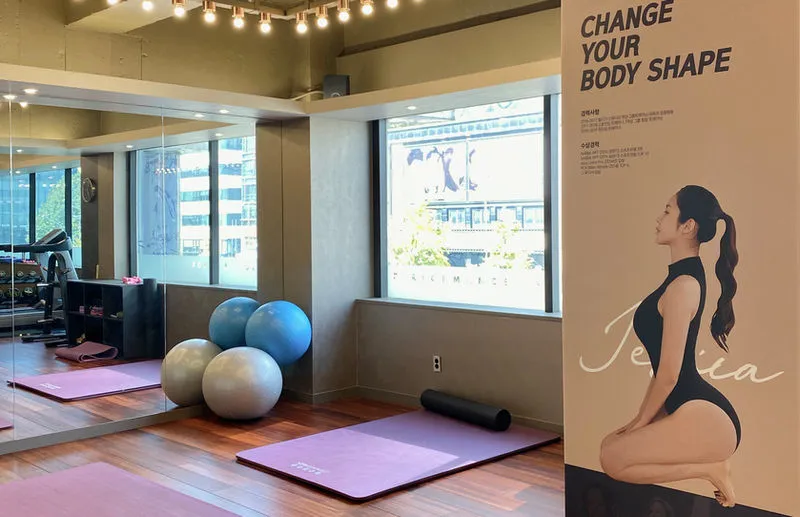
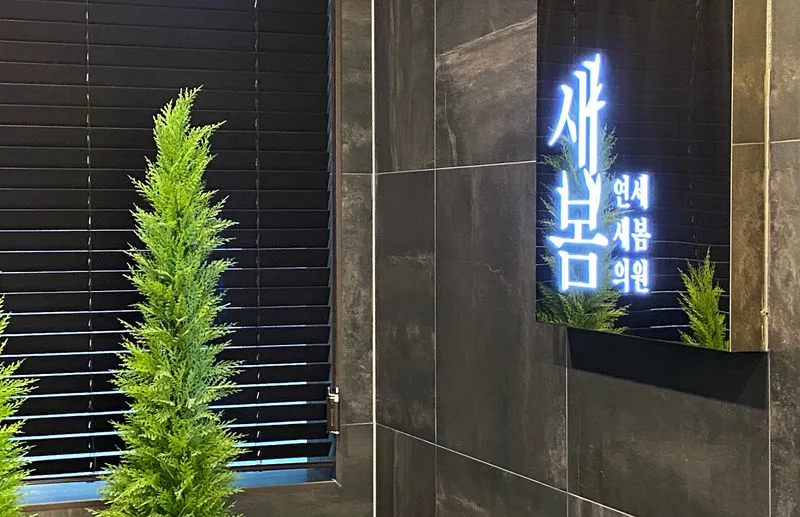
Facilities

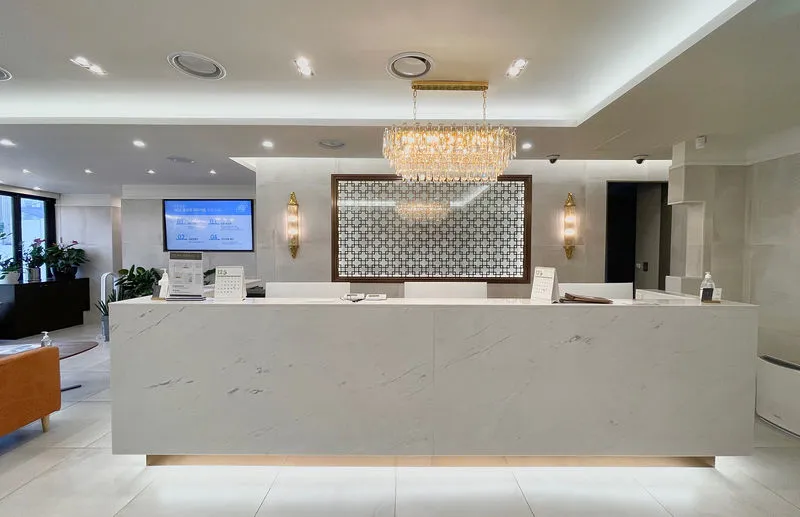
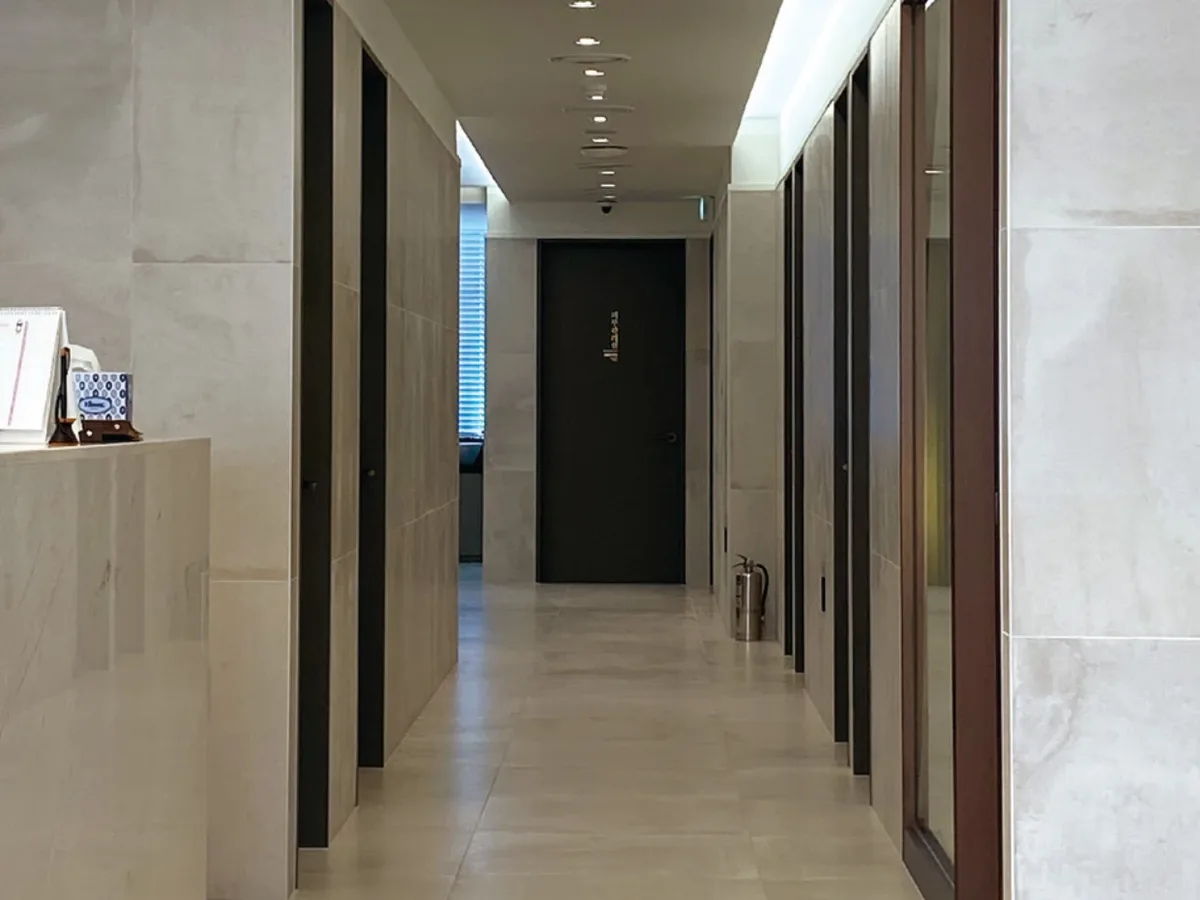

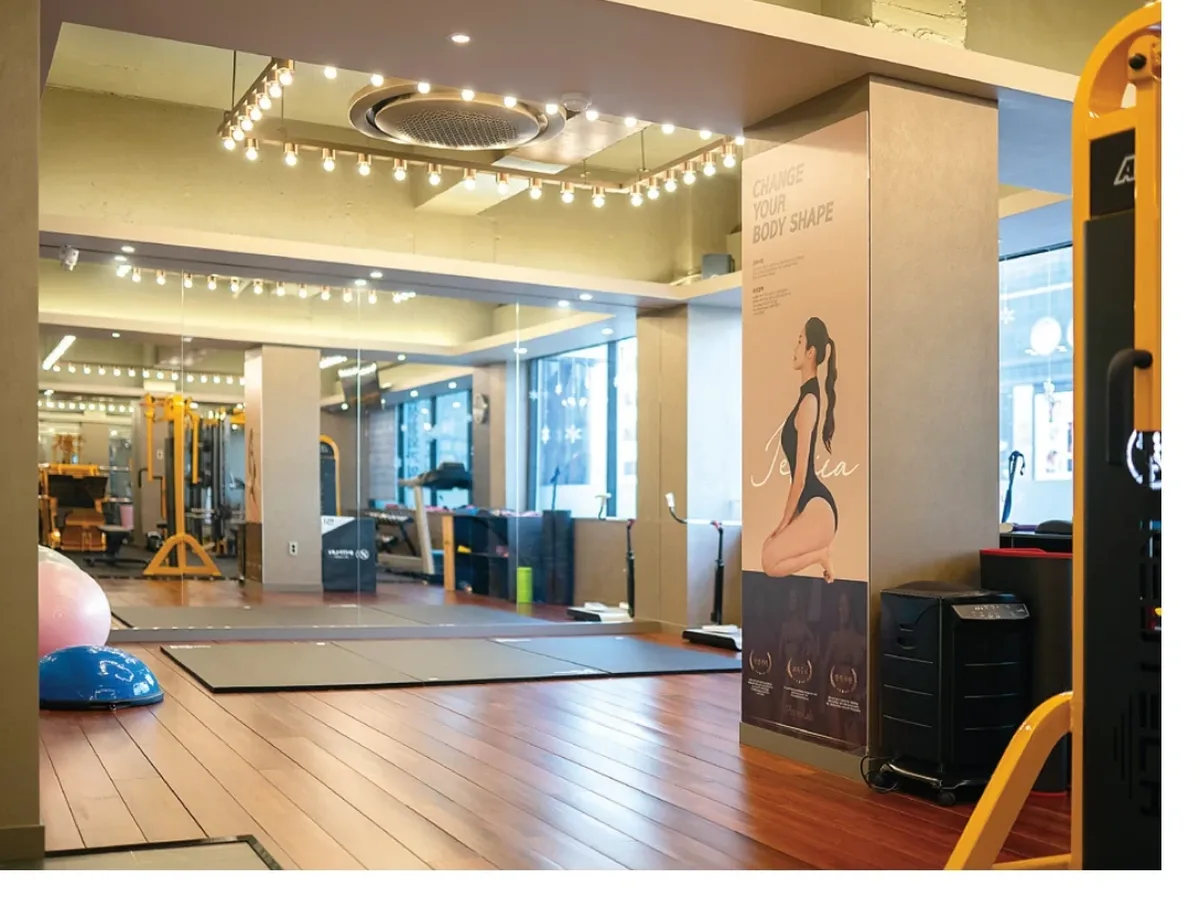

Care process
Caring for a child's growth is a journey shared by the child, the parents, and the medical team. From the first consultation through follow-up after treatment, we keep checking growth status.

Health questionnaire
Height · weight · body composition analysis
Bone age · full-body posture X-ray
Blood · urine test (required)
Heavy metals · hair minerals · precocious puberty (optional)

Personalized hormone balance · nutrition · exercise · posture care

Height · weight · body composition check
Hormone · custom exercise · posture correction · nutrition

Periodic checkup every 6 months & growth-treatment review
Frequently asked questions
From what age — and until when — can a child be treated?
Consultations start from age 3, and treatment is possible while the growth plates are still open. Remaining growth is judged by bone age rather than calendar age, so we check that first with a hand X-ray.
Can my child benefit? What if the growth plates have already closed?
Once the growth plates are closed, height growth is no longer possible. Whether they are actually closed can only be confirmed by a hand X-ray, and it often differs from how puberty looks from the outside. We check the remaining growth potential first, then explain the options.
Do you also treat early puberty, short stature and excess weight?
Yes. Early puberty, short stature, excess weight and posture problems affect one another, so we assess them together rather than in isolation. The approach depends on what is driving the growth pattern.
Can I bring test results from another hospital?
Yes. If you already have a hand X-ray (bone age) and blood test results, you can send them to us as they are. If you live abroad, we can start with a remote consultation based on tests done locally.
How often do we need to visit? How long does treatment last?
Height, bone age and blood tests are usually rechecked every 3 to 6 months. Treatment averages under three years, and the exact length depends on how much growth is left. For families living abroad we combine local testing with video consultations to reduce the number of trips.
Are there side effects? Is hormone treatment risky?
Any medical treatment carries the possibility of adverse reactions. That is why we check hormone, liver, kidney and thyroid status with blood tests before starting, and retest regularly during treatment to adjust the plan. If the results indicate treatment is not appropriate, we do not recommend it.
Comprehensive care that starts with the cause — begin today
Start by checking your child's predicted height — free
Get a free height prediction Start a 1:1 chat